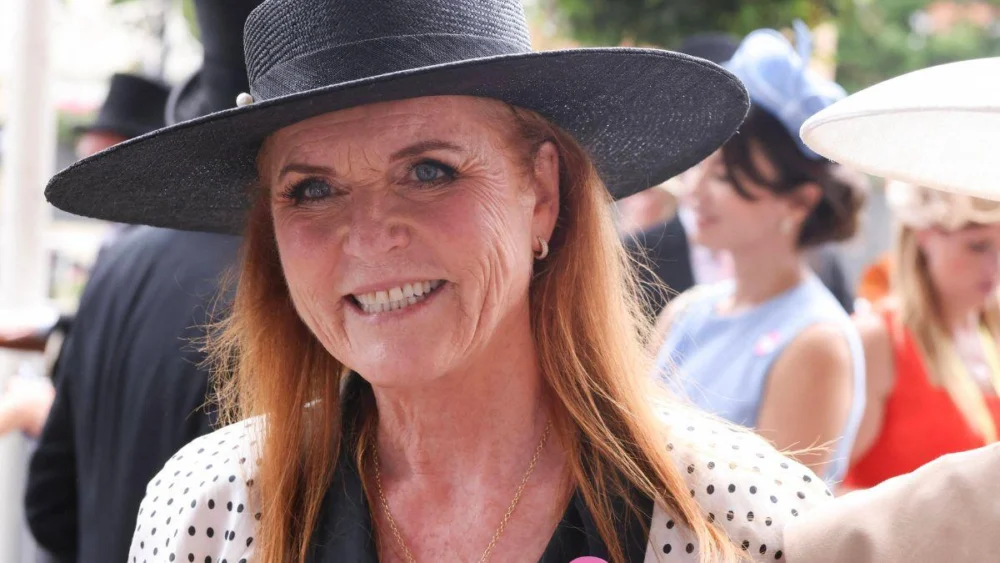
Sarah Ferguson, the former Duchess of York, is confronting a renewed wave of allegations concerning past substance misuse, reignited by recently unsealed documents tied to the Jeffrey Epstein scandal. These revelations have cast a fresh light on a tumultuous period in her public life, prompting widespread speculation and media attention as she reportedly retreated to a high-end Swiss wellness clinic in late 2025. The disclosures intertwine her personal struggles with the broader, devastating fallout from the Epstein case, adding another complex layer to her already scrutinized public image.
A History of Public Scrutiny
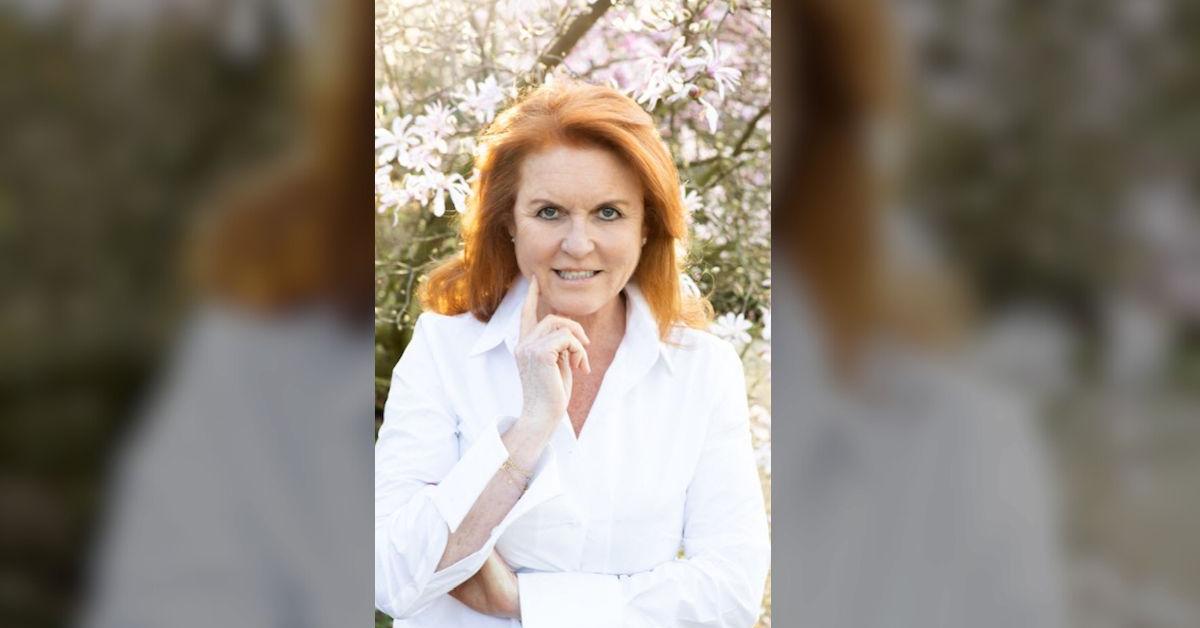
Known affectionately as "Fergie" during her marriage to Prince Andrew, the Duchess of York has endured decades of intense public and media scrutiny. Her vibrant personality often clashed with the rigid expectations of royal life, leading to a series of controversies following her 1996 divorce from Prince Andrew, the Duke of York. Post-divorce, Ferguson faced considerable financial strain and the daunting task of forging an independent career, often under the unforgiving glare of global tabloids. This period of transition was marked by significant personal challenges, which insiders suggest contributed to a volatile environment for the Duchess. Her attempts to navigate commercial ventures and maintain a public profile frequently resulted in criticism, leaving her vulnerable to intense media dissection.
The Cash-for-Access Scandal and Early Allegations
A pivotal moment in Ferguson’s public struggles unfolded in 2010 with a widely publicized "cash-for-access" sting operation. Undercover journalists filmed her offering access to her former husband, Prince Andrew—then a British trade envoy—in exchange for a substantial sum, reportedly around $700,000. During the clandestine meeting, Ferguson was quoted as saying the cash would "open up everything you would ever wish for" and that she could "open any door you want." This incident sparked international outrage and further damaged her already fragile reputation, drawing sharp criticism from both the public and the royal establishment.
It is against this backdrop that newly released documents from the U.S. Department of Justice, connected to the Jeffrey Epstein investigation, have brought older allegations to the fore. These files reportedly contain discussions between the late financier Jeffrey Epstein and politician Peter Mandelson, speculating about whether Ferguson should address her "medication abuse." This reference directly links her past controversies to the shadowy world of Epstein, deepening the current media narrative. While Ferguson has never publicly admitted to drug abuse, she addressed her behavior during that tumultuous period in an interview with Oprah Winfrey, confessing to an "addiction to food" and describing herself as "so out of control with desperation to the point where I’d reached no return." She characterized her actions as "spiraling so out of control (that) I was looking for the quick fixes in places I wouldn’t normally look," attributing it to "out-of-control behavior" common in various addictions.
Confronting Past Missteps: A Deeper Look at Substance Misuse Allegations
The resurfacing of "medication abuse" discussions within the Epstein files has prompted a re-examination of earlier claims regarding Sarah Ferguson’s relationship with substances. Long before the Epstein revelations, specific allegations had surfaced in the British press. In 1986, reports emerged of alleged cocaine use at a Verbier chalet frequented by the Duchess. A decade later, in 1996, the Daily Mail famously labeled her a "drug zombie," reflecting a public perception of erratic behavior and detachment.

A source familiar with Ferguson’s past, speaking anonymously, indicated that "there were periods when Sarah was overwhelmed by financial strain, public humiliation, and intense scrutiny. In those moments, she was not making clear-headed decisions." The source added, "The suggestion that medication misuse may have been involved has circulated for years. Whether that was diet pills, prescribed medication, or a cocktail of substances, there was a sense she was not entirely present." This account paints a picture of a royal figure grappling with profound personal pressures, potentially resorting to various substances in an attempt to cope.
Psychological Toll and Public Perception
The description of Ferguson’s behavior during these challenging times further underscores the immense pressure she faced. The unnamed source characterized her as "erratic," noting "swings in mood, bursts of frenetic energy followed by deep crashes." These observations align with public perception at the time, as tabloids relentlessly highlighted her perceived struggles. The labels "zombie" and "brain fog," though undeniably "cruel," as the source noted, nevertheless captured the prevailing public narrative that Ferguson was struggling visibly.
While Ferguson has consistently denied drug abuse, her candid admissions about food and spending addictions suggest a pattern of grappling with compulsive behaviors. Her public statements to Oprah Winfrey about seeking "quick fixes" offer a glimpse into the psychological toll of her circumstances. This historical context reveals a figure under intense scrutiny, whose personal struggles became fodder for public consumption, potentially exacerbating any underlying issues with mental health or addictive tendencies, which were often less understood and more stigmatized in public discourse decades ago.
The Enduring Shadow of Jeffrey Epstein
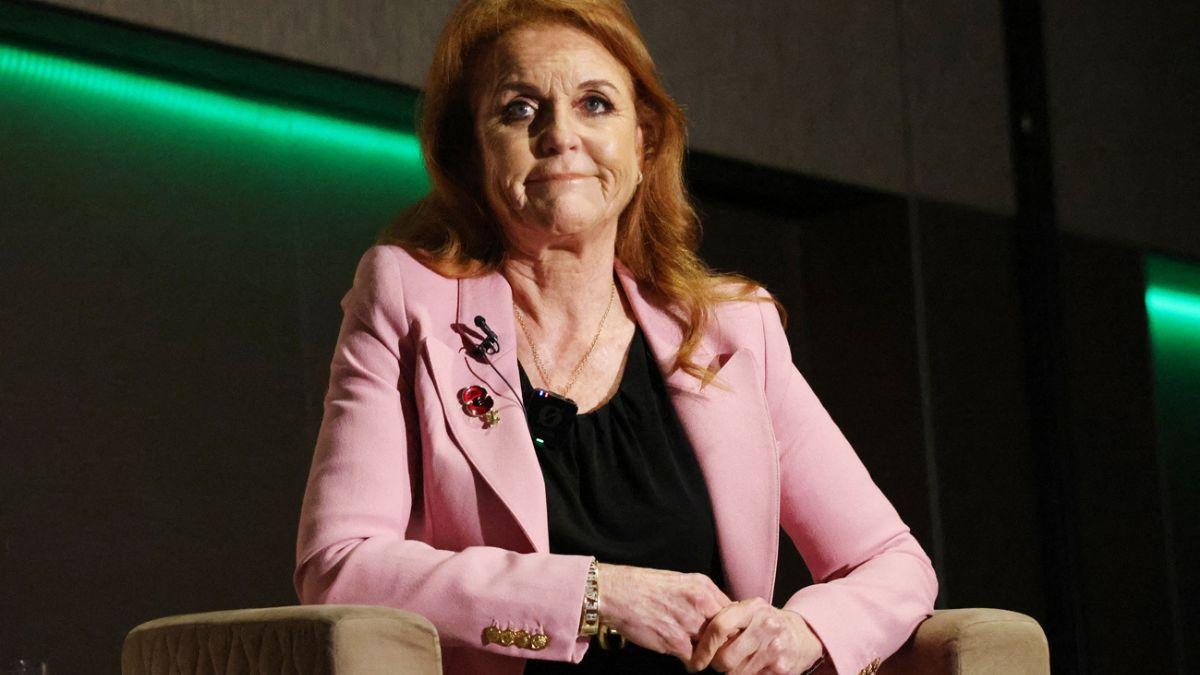
The re-emergence of these historic allegations is inextricably linked to the ongoing fallout from the Jeffrey Epstein scandal. The release of previously sealed documents has reopened investigations and sparked renewed public interest in individuals connected, however loosely, to the disgraced financier. For Sarah Ferguson, her long-standing association with Prince Andrew, who himself faced severe consequences for his friendship with Epstein, means that her own past is now being re-evaluated through this deeply disturbing lens.
Another insider lamented, "The tragedy is that even if there were genuine struggles with substances or mental health, they have become entangled with Sarah’s links to Epstein." This entanglement complicates any attempt to understand her personal history independently, forever associating her challenges with one of the most infamous figures of recent times. The pervasive nature of the Epstein scandal continues to cast a long shadow, ensnaring even peripheral figures and ensuring that their past actions are scrutinized with renewed intensity.
Retreat to Zurich and Seeking Solace
Amidst the latest wave of Epstein disclosures engulfing her, Sarah Ferguson reportedly departed the United Kingdom shortly after Christmas 2025. While her former husband, Prince Andrew, was photographed in Windsor and later on the Sandringham estate, Ferguson largely vanished from public view following her granddaughter Athena’s christening on December 12. Reports indicate she sought refuge at the exclusive Paracelsus Recovery Clinic in Zurich, Switzerland.
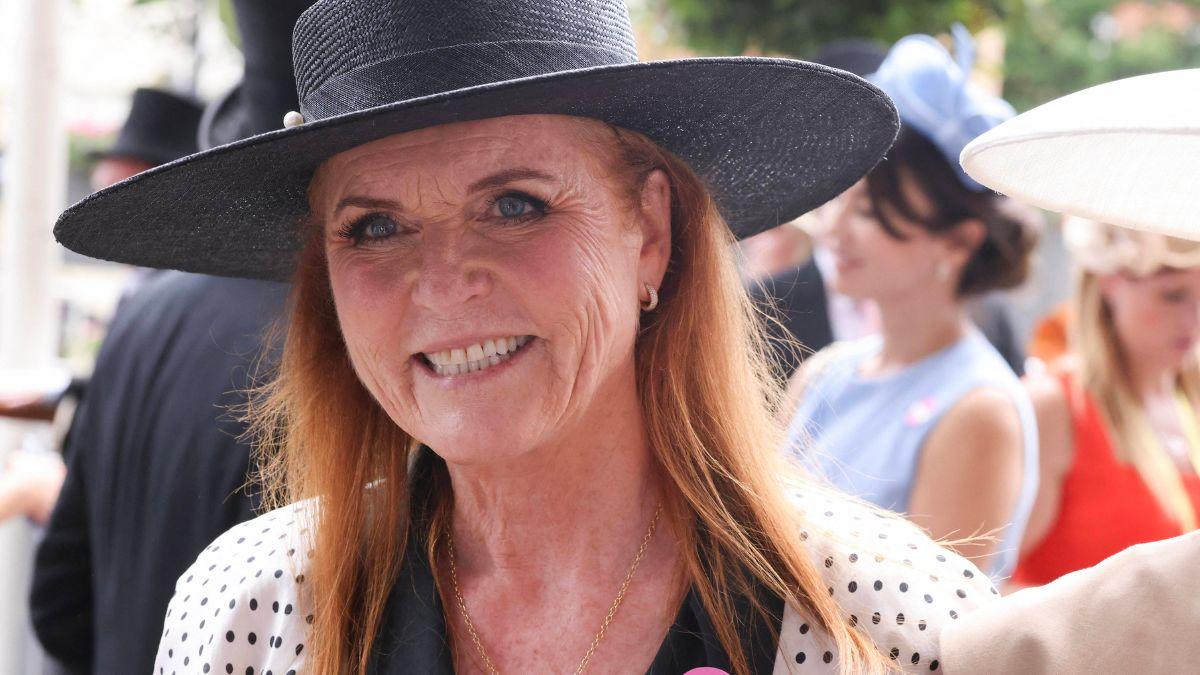
This lavish lakeside facility, known for its high-profile clientele, commands a daily rate of approximately $18,000. A three-day assessment alone can cost around $140,000, with a month-long residential program approaching $445,000, based on current exchange rates. A Swiss source confirmed Ferguson’s movements, stating, "Sarah traveled to Zurich in the immediate aftermath of Christmas and remained there through the end of January, deliberately keeping her movements quiet." The source added, "She regards Paracelsus as a refuge, somewhere she feels shielded from outside noise and judgment." For Ferguson, the clinic offers a sense of continuity and trust, having developed "a sense of familiarity with the clinic and its team over the years." She reportedly turns to this environment when "emotionally exposed or under intense scrutiny" because she believes it offers "compassion as well as high-level medical and psychological care," viewing it "less about luxury and more about feeling protected at a time when she feels at her lowest."
Navigating a Complex Legacy
The current scrutiny surrounding Sarah Ferguson and the resurfacing allegations about past substance misuse underscore the persistent challenges she has faced in public life. Her journey, marked by financial difficulties, public humiliation, and intense media attention, has been a complex interplay of personal vulnerability and royal expectations. While she has consistently denied specific drug abuse, her acknowledged struggles with other addictive behaviors and her recent retreat to a specialized wellness clinic paint a picture of a public figure who has long grappled with profound personal pressures.
As the Epstein scandal continues to unravel, drawing new attention to old associations, Ferguson’s story remains a testament to the enduring consequences of both public perception and private battles. Her ongoing efforts to manage her well-being, as evidenced by her stay at the Paracelsus clinic, highlight a continued pursuit of solace and support in the face of relentless public and media scrutiny, navigating a complex legacy that intertwines royal life, personal struggles, and unforeseen scandals.