France is deploying military assets to safeguard the vital oil terminal at Yanbu, a significant step in international support for Saudi Arabia as Houthi rebel attacks escalate in the region. Concurrently, Saudi Arabia is deepening defense discussions with Pakistan and Turkey, signaling a united front against the growing Houthi threat. These moves underscore the widening regional instability and the international community’s concern over potential disruptions to global energy supplies.
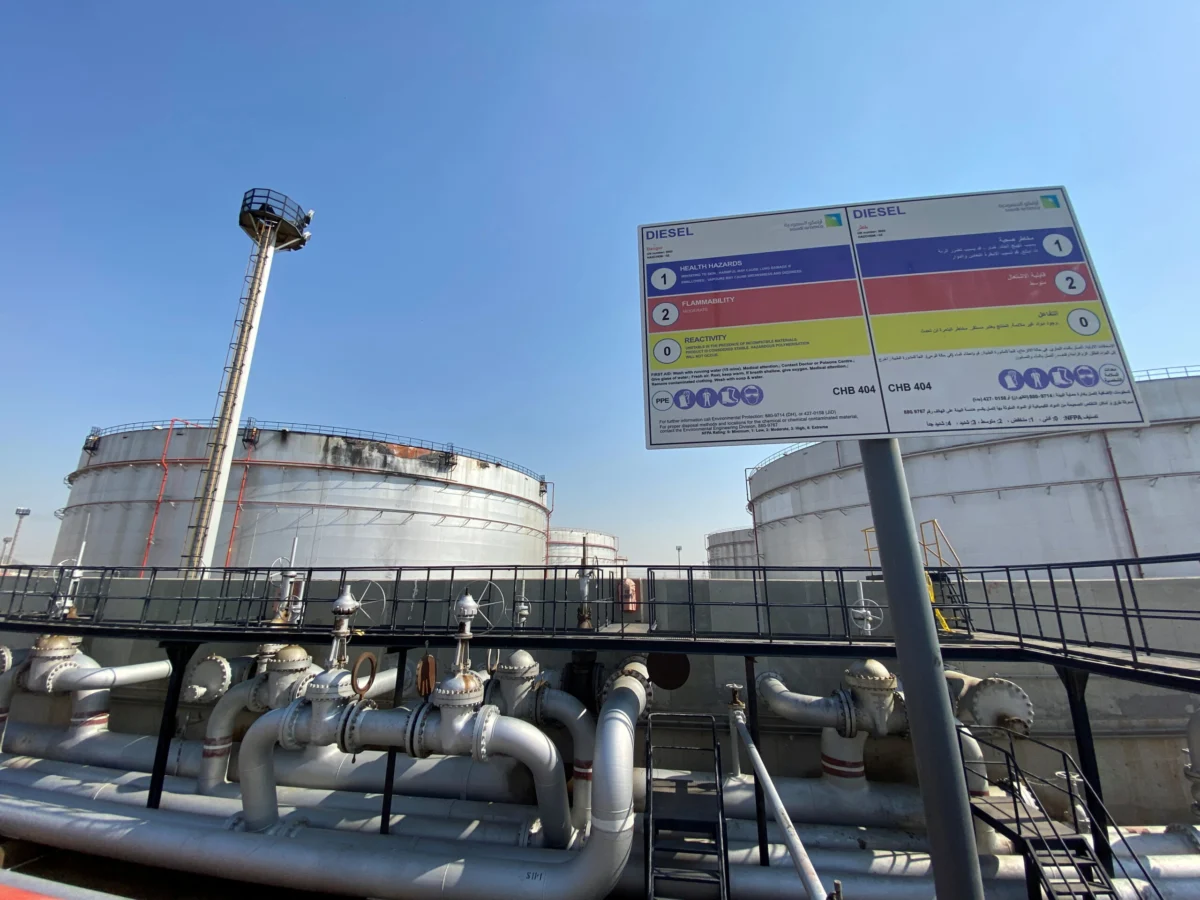
The French commitment, announced Friday, involves sending troops, advanced radar systems, and defensive weaponry to the Red Sea port of Yanbu. French President Emmanuel Macron emphasized that the deployment is purely defensive, aimed at protecting the critical infrastructure rather than engaging in direct conflict. Yanbu, a crucial hub for Saudi Arabia’s oil industry, houses extensive storage and refining facilities and is connected to the strategically important East-West Pipeline, which boasts a capacity of up to seven million barrels per day.
The Houthi, officially known as Ansar Allah, have significantly increased their long-range strike capabilities, launching a barrage of missiles and drones into Saudi territory. These attacks have repeatedly targeted key energy infrastructure, raising alarms about the security of global oil flows from the world’s leading energy exporter.
On Thursday, the Houthi movement claimed responsibility for striking facilities belonging to the state-owned oil giant Aramco in Yanbu, as well as a "sensitive target" in the capital city of Riyadh. Saudi air defense forces reported intercepting six ballistic missiles, though official reports have not confirmed any damage resulting from the strikes. The Houthi’s escalating offensive poses a direct challenge to Saudi Arabia’s security and its dominant role in the global energy market.
In a significant diplomatic development, the foreign ministers of Saudi Arabia, Pakistan, and Turkey convened on Thursday to schedule an "urgent meeting" of their respective chiefs of staff. This gathering is set to occur under the framework of the Mecca Joint Defence Agreement, a pact that stipulates an attack on one member nation is considered an attack on all. The Saudi Ministry of Foreign Affairs confirmed the meeting’s arrangement, highlighting the growing solidarity among the three nations.
The foreign ministers also jointly condemned the Houthi attacks, specifically those that allegedly targeted the holy city of Mecca and other civilian areas. This condemnation underscores the Houthi’s disregard for religious and civilian sites, further alienating the group on the international stage and galvanizing regional opposition.
However, questions remain regarding the extent of military commitment from Pakistan and Turkey under the Mecca Joint Defence Agreement, which has yet to be formally invoked. Both nations are actively involved in mediation efforts across the Middle East, seeking diplomatic resolutions to various conflicts. Their participation in potential military actions under the pact could complicate their roles as neutral mediators.
The spiritual and military preparedness of Saudi forces has been underscored by the Grand Mufti’s call to soldiers to be ready to defend the nation, even at the cost of their lives, against the Houthi threat. This religious and patriotic appeal aims to bolster morale and readiness within the Saudi armed forces amidst the escalating hostilities.
The current surge in Houthi attacks is inextricably linked to the broader regional geopolitical landscape. The Iran-aligned Houthi movement has been engaged in a protracted conflict with the Saudi-backed Yemeni government for over a decade. This long-standing civil war has been further inflamed by recent escalations involving Iran-aligned groups, including Hamas in Gaza and Hezbollah in Lebanon, as well as the ongoing tensions between the United States and Iran.
At the United Nations General Assembly in New York, Yemen’s Vice President Abdullah Abdulkader al-Alimi-Bawzer articulated the severe impact of Houthi actions on international commerce. He warned that the rebels were weaponizing shipping security, using it as a "tool for blackmail" and effectively holding "the entire global economy hostage." This statement emphasizes the far-reaching consequences of the conflict, extending beyond regional borders to affect global trade and stability.

While the United States has not resumed direct military involvement in the conflict, Saudi Foreign Minister Prince Faisal bin Farhan Al Saud affirmed that the kingdom continues to collaborate closely with its American partners on security matters. This ongoing cooperation highlights the continued strategic alignment between Saudi Arabia and the U.S. in addressing regional security challenges.
The Houthi’s strategic targeting of Yanbu has intensified pressure on Saudi Arabia’s vital oil exports. Earlier in the month, the rebels seized the Yemeni port of Mocha and several Red Sea islands, significantly enhancing their control over the Bab al-Mandeb strait. This waterway is a critical chokepoint, typically handling approximately 12 percent of global oil trade, making its control a strategic advantage for the Houthi.
Furthermore, Houthi strikes have disrupted the operations of the East-West Pipeline. This pipeline, which links Yanbu to export terminals, has been a crucial element in Saudi Arabia’s strategy to bypass the Strait of Hormuz, a passage frequently subject to tensions amid the broader Iran-U.S. conflict. The disruptions have now forced Saudi Arabia to reroute some of its crude exports back through the Strait of Hormuz, potentially exposing them to greater risk.
The impact on global energy markets has been immediate and significant. Brent crude futures experienced a notable surge, climbing more than 3 percent on Thursday and briefly exceeding $108 a barrel, before settling around $105.77 on Friday morning. This volatility reflects the market’s sensitivity to supply disruptions in major oil-producing regions.
Market analysts predict continued price instability. June Goh, a senior oil market analyst at Sparta Commodities in Singapore, suggested that oil prices are likely to remain above the $100 per barrel mark for the foreseeable future, contingent on the ongoing tensions involving Iran. "With no clear resolution in sight, the gap in oil inventories globally is getting wider," Goh stated, underscoring the persistent supply-demand imbalance driven by geopolitical factors.
The Houthi attacks represent a complex challenge for Saudi Arabia, intertwining national security, economic stability, and regional diplomacy. The kingdom’s response, bolstered by international alliances and internal resolve, aims to deter further aggression and secure its critical energy infrastructure. The success of these efforts will have profound implications for the stability of the Middle East and the global energy landscape.
The escalating conflict in Yemen and its regional ramifications are drawing increased international attention. The Houthi’s demonstrated capability to strike deep within Saudi territory, coupled with their strategic control over key maritime passages, underscores the persistent threat they pose to global trade and security. The international community faces the challenge of balancing diplomatic efforts with the need to ensure the unimpeded flow of essential commodities.
The Mecca Joint Defence Agreement, a cornerstone of regional security cooperation, now faces its most significant test. The willingness and capacity of Pakistan and Turkey to contribute under its provisions will be closely watched. Their involvement could either strengthen the collective security architecture of the region or highlight limitations in its practical application, particularly when balanced against existing geopolitical commitments and mediation roles.
The broader implications of the Houthi’s actions extend to the global fight against terrorism and the maintenance of international maritime security. The group’s continued ability to launch sophisticated attacks raises concerns about the proliferation of advanced weaponry and the effectiveness of existing security measures in safeguarding vital shipping lanes. The international community’s coordinated response will be crucial in mitigating these risks.
The ongoing geopolitical realignments and proxy conflicts in the Middle East continue to fuel instability. The Houthi’s actions are part of a larger pattern of regional competition and asymmetric warfare, posing a persistent threat to established order and economic prosperity. The current situation demands a comprehensive strategy that addresses the root causes of conflict while bolstering defensive capabilities and ensuring the resilience of global supply chains.