Nearly eight decades after the establishment of Israel, the creation of a sovereign Palestinian state remains the defining and most intractable question of the Arab-Israeli conflict, a central strategic issue that has endured through wars, peace treaties, and numerous diplomatic initiatives.
The Kingdom’s Enduring Commitment to Palestinian Statehood
Saudi Arabia has emerged as a pivotal player in contemporary efforts to forge a lasting peace arrangement with Israel, centered on the establishment of a Palestinian state. The Kingdom’s commitment is underscored by its co-sponsorship of the Global Alliance for the Implementation of the Two-State Solution, an initiative actively engaged in diplomatic discussions. This renewed focus reflects a long-standing Saudi doctrine, meticulously cultivated over more than half a century by successive monarchs.
The core of this enduring policy has been the conviction that peace with Israel is not a question of possibility, but rather of the political conditions that would render such a peace comprehensive, legitimate, and irreversible. Within this framework, the recognition of Israel and the establishment of a sovereign Palestinian state are viewed as intrinsically linked, parallel components of a singular settlement, intended to unfold concurrently rather than sequentially.
A Historical Doctrine: From Faisal to the Present Day
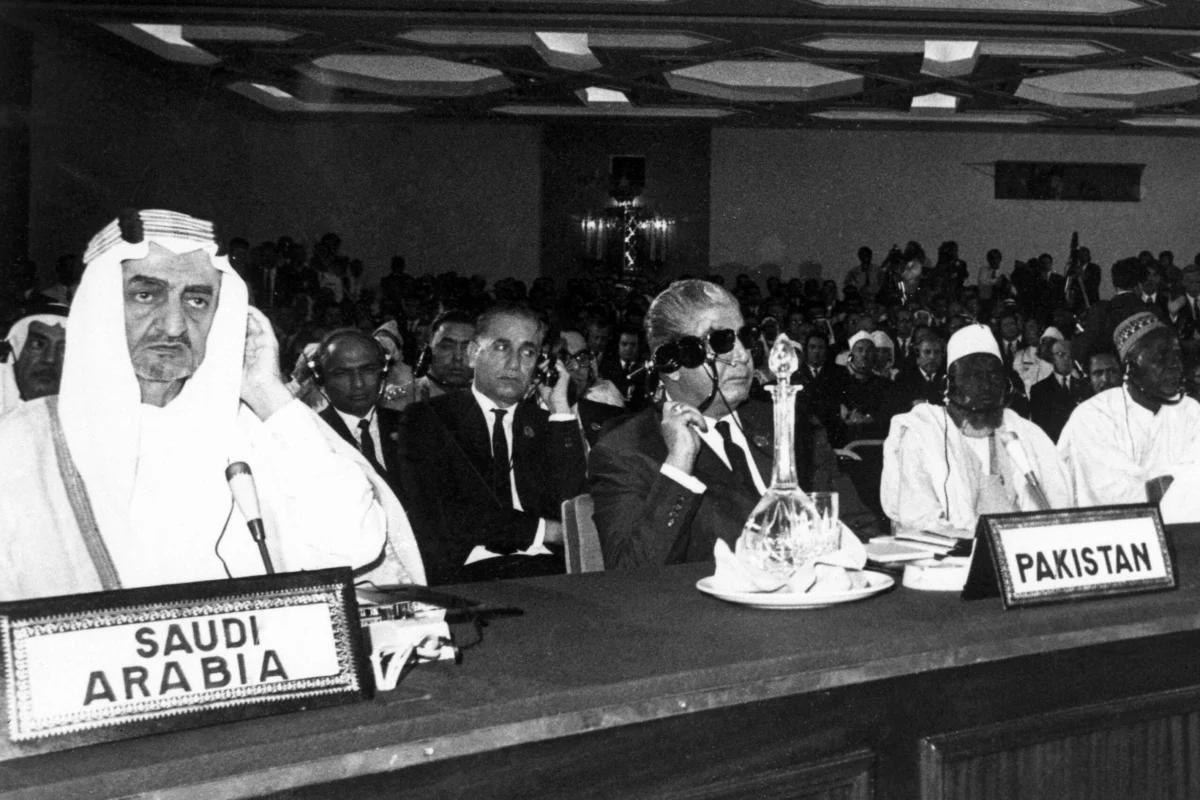
This foundational doctrine traces its origins to King Faisal, who elevated the principle of Palestinian self-determination to a central pillar of Saudi national security. His successors have steadfastly preserved this commitment, adapting its diplomatic expression to the evolving geopolitical landscape of the region. While the diplomatic environment has shifted, the fundamental objective has remained constant.
King Fahd’s Fahd Plan of 1981 represented a significant translation of this doctrine into a concrete peace proposal. It explicitly called for Israeli withdrawal from occupied Arab territories and the recognition of Palestinian national rights. Two decades later, Crown Prince and later King Abdullah further elaborated on this strategic logic with the 2002 Arab Peace Initiative. This landmark proposal offered Israel comprehensive peace and normalized relations with the entire Arab world in exchange for a complete withdrawal from territories occupied in 1967 and the establishment of an independent Palestinian state.
The current Saudi leadership, under King Salman and Crown Prince Mohammed bin Salman, therefore inherits a well-established strategic framework rather than facing an open policy debate. Their contemporary role is to ascertain whether the current diplomatic climate is conducive to fulfilling the conditions that have remained consistent for decades.
State Legitimacy and Religious Authority
The continuity of Saudi Arabia’s stance on Palestinian statehood extends beyond mere foreign policy; it is deeply interwoven with the very legitimacy of the Saudi monarchy. Support for Palestinian statehood has become an enduring pillar of the Kingdom’s political and religious standing, intrinsically linked to the monarch’s role as the Custodian of the Two Holy Mosques. This responsibility imbues the Saudi leadership with significant religious authority throughout the Islamic world, reinforcing its long-held position within both Arab and global Islamic spheres.
Any decision regarding the recognition of Israel, therefore, necessitates not only political consensus but also broad religious legitimacy. Such legitimacy cannot be credibly derived from mere promises of future negotiations; it requires the tangible and irreversible establishment of a sovereign Palestinian state.
The Abraham Accords and Shifting Regional Dynamics
The significance of Saudi Arabia’s consistent position became particularly apparent in the wake of the 2020 Abraham Accords. These agreements, which normalized relations between Israel and the United Arab Emirates, Bahrain, Morocco, and Sudan, demonstrated that Arab-Israeli normalization could proceed independently of progress on the Palestinian issue. While these accords reshaped regional diplomacy, they did not resolve the Palestinian question nor did they complete the broader peace process.
Successive U.S. administrations have consistently identified Saudi participation as the crucial missing element for achieving a truly comprehensive regional peace. While the Abraham Accords demonstrated the potential for expansion without Riyadh, they lacked their full strategic weight and broader implications without the Kingdom’s involvement.
The Post-October 7th Context
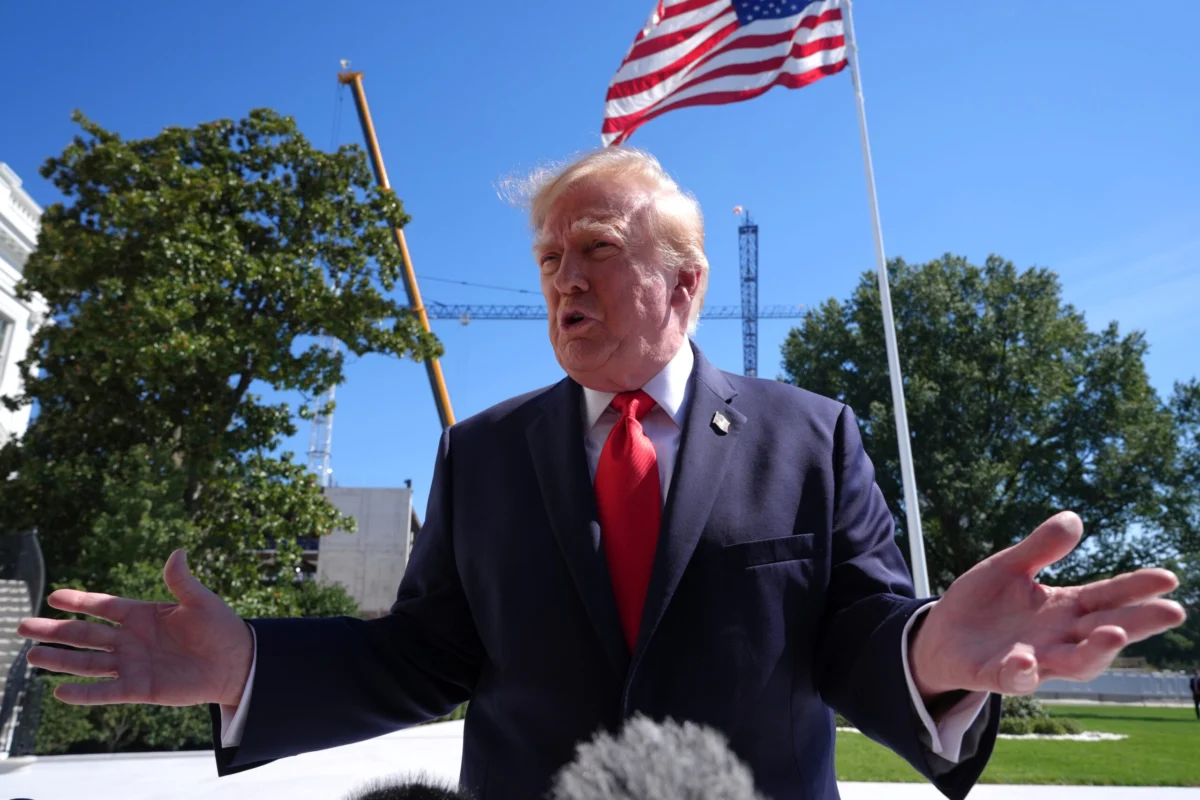
The Trump administration, in its regional diplomacy, had once again placed Saudi-Israeli normalization at the forefront. However, this diplomatic push must now be evaluated within the significantly altered context following the October 7th attacks and the subsequent conflict in Gaza. The war has fundamentally reshaped the diplomatic environment, giving rise to new initiatives aimed at achieving a ceasefire, stabilizing the region, and initiating reconstruction efforts. These efforts, while important for de-escalation and recovery, are not intended to replace a political settlement but rather to create the conditions under which one might become attainable.
For Saudi Arabia, the essential political prerequisite remains unchanged: the actual and irreversible establishment of a sovereign Palestinian state. This unwavering stance is underpinned by a confluence of political, religious, and economic factors.
The Pillars of Saudi Influence: Economy and Geopolitics
The Kingdom’s economic prowess significantly amplifies its diplomatic leverage. As the Arab world’s largest economy, accounting for approximately one-third of total Arab economic output, Saudi Arabia possesses considerable influence. Its position as the only regional member of the G20, a leading global energy superpower, and the world’s foremost crude oil exporter, makes it the Middle East’s principal economic engine.
This economic might, coupled with its profound religious standing, ensures that Saudi decisions carry consequences far beyond bilateral diplomacy. The implications of Saudi engagement in a peace process are far-reaching, extending to numerous Arab and Muslim-majority nations.
Reshaping Regional Alliances and Recognition
Several major Arab states, including Lebanon, Syria, Iraq, and Algeria, have yet to formally recognize Israel. While their decisions are sovereign, a Saudi-Israeli settlement that prioritizes Palestinian statehood would fundamentally alter the political calculus within which these nations operate.
Lebanon serves as a pertinent example. The United States has been encouraging Beirut to move towards formal relations with Israel as part of a broader strategy to stabilize the Israeli-Lebanese border. However, the domestic political cost of such a move would be significantly different in the context of a Saudi-backed settlement centered on Palestinian statehood compared to a scenario without it.
This logic extends across the wider Muslim world. Influential countries such as Pakistan, Indonesia, Bangladesh, and Malaysia have historically withheld recognition of Israel due to the unresolved Palestinian question. A settlement that garners the endorsement of the Custodian of the Two Holy Mosques and is accompanied by the establishment of a Palestinian state would exert considerable pressure on these governments to reconsider their positions. Such a development would effectively remove the principal political and religious obstacles that have hindered their recognition of Israel.
A Different Kind of Engagement: Beyond the Abraham Accords
This multifaceted influence is precisely what distinguishes Saudi Arabia’s potential participation from that of the nations involved in the Abraham Accords. Saudi Arabia’s engagement would be transformative in kind, not merely in scale, carrying profound political, economic, and religious weight across the Arab and Muslim worlds.
The ultimate success of the current diplomatic process remains uncertain, hinging on the coordinated efforts of various key actors. Israel, the Palestinians, the United States, the European Union, and several regional governments all have indispensable roles to play. However, the final decision on Saudi Arabia’s engagement rests firmly with King Salman and Crown Prince Mohammed bin Salman.
Within the strategic framework they have inherited, the establishment of Palestinian statehood and the recognition of Israel are not viewed as sequential objectives but as parallel obligations. Neither can achieve lasting legitimacy without the simultaneous realization of the other, underscoring Saudi Arabia’s central and indispensable role in achieving a comprehensive and enduring peace in the region.