South Korea is actively considering various forms of "contributions" to ensure freedom of navigation in the strategically vital Strait of Hormuz, according to a statement released by the presidential office. The announcement comes amid increasing international pressure, particularly from the United States, to bolster maritime security in the Persian Gulf waterway, a critical chokepoint for global oil supplies.
The presidential office confirmed on Friday that a range of options for providing assistance in safeguarding the strait are under review. This move reflects Seoul’s delicate balancing act between its economic dependencies and its long-standing alliance with the U.S., which has been pressing allies to join multinational efforts to counter perceived threats to shipping.
The U.S. has been lobbying South Korea and other nations to take a more active role in maritime security operations in the Strait of Hormuz, a region that has experienced heightened tensions. These efforts are partly aimed at deterring Iran, which has been accused of disrupting commercial traffic. The diplomatic pressure intensified following incidents involving oil tanker seizures and attacks in the strait.
Navigating Diplomatic Waters: South Korea’s Strategic Considerations
South Korea’s economic lifeline is intrinsically linked to the unimpeded flow of oil through the Strait of Hormuz. In the previous year, the nation relied on this crucial maritime route for a substantial portion of its energy imports. Specifically, 61 percent of its crude oil and 54 percent of its naphtha, a key petrochemical feedstock, transited through the strait. Any significant disruption or closure of this waterway poses a direct threat to South Korea’s industrial output and economic stability, underscoring the urgency of its engagement in discussions surrounding maritime security.
This economic vulnerability has placed Seoul in a challenging position, caught between its vital energy needs and the geopolitical demands of its most important security ally, the United States. The U.S. has repeatedly emphasized the need for a collective international response to ensure freedom of navigation, a principle South Korea strongly supports. However, the specific nature and extent of its potential involvement remain subjects of intense internal deliberation.
Escalating U.S. Pressure and South Korea’s Response
The United States has been notably vocal in its calls for South Korean participation in maritime security initiatives in the Strait of Hormuz. This pressure has manifested in various diplomatic channels and, at times, has been linked to broader security cooperation agreements between the two nations.
Reports from South Korean media, including broadcaster JTBC, indicated that the government was leaning towards dispatching troops to the region. These reports suggested that details were being reviewed ahead of a potential request for parliamentary approval, a necessary step for any significant overseas military deployment. However, the presidential office was quick to clarify that no definitive decisions had been made.
This distinction between exploring options and making concrete commitments highlights the careful approach South Korea is taking. An unnamed official emphasized that "nothing has been decided yet" and that any potential contribution would be subject to thorough consideration of domestic legal procedures, military readiness, and the crucial consent of the National Assembly. The official further stated that South Korea would consider military contributions to global efforts as long as they do not compromise its own defense capabilities.
Defining the Scope of "Contributions"
The presidential office later issued a statement to further elaborate on the nature of the discussions. It clarified that references made during press briefings regarding military contributions, which included mentions of combat roles, non-combat support, and search operations, were merely illustrative examples of the broad spectrum of possibilities being explored. The statement reiterated that "nothing has been decided yet concerning actual contributions," aiming to mitigate any potential misunderstandings or premature conclusions.
The process for any South Korean military deployment overseas is rigorous, requiring approval from the National Security Council, a resolution at a cabinet meeting, and subsequent consent from the National Assembly. The official from the presidential office underscored that the ongoing discussions had not yet reached the stage of seeking parliamentary approval, reinforcing the preliminary nature of the deliberations.
Broader Diplomatic Engagements and Public Sentiment
Discussions regarding the Strait of Hormuz are expected to be a topic of conversation when President Lee Jae Myung meets with French President Emmanuel Macron in the coming week. This indicates that South Korea is engaging in broader diplomatic consultations with key international partners to coordinate its approach to regional security challenges.
However, public opinion within South Korea regarding involvement in the Middle East remains divided. A Gallup Korea poll conducted in March revealed that a significant majority, 55 percent of respondents, opposed sending South Korean warships to the Strait of Hormuz. This sentiment reflects a general public reluctance to engage in potentially risky foreign military interventions, especially in regions perceived as distant and with limited direct national security stakes beyond economic interests.
Historical Context and Precedents
South Korea’s involvement in ensuring maritime security in the Persian Gulf is not entirely unprecedented. In late 2019, the South Korean military expanded the deployment of its anti-piracy unit from the waters off Somalia to the area surrounding the Strait of Hormuz. This expansion followed a direct request from the U.S. for assistance in guarding oil tankers navigating the contested waterway.
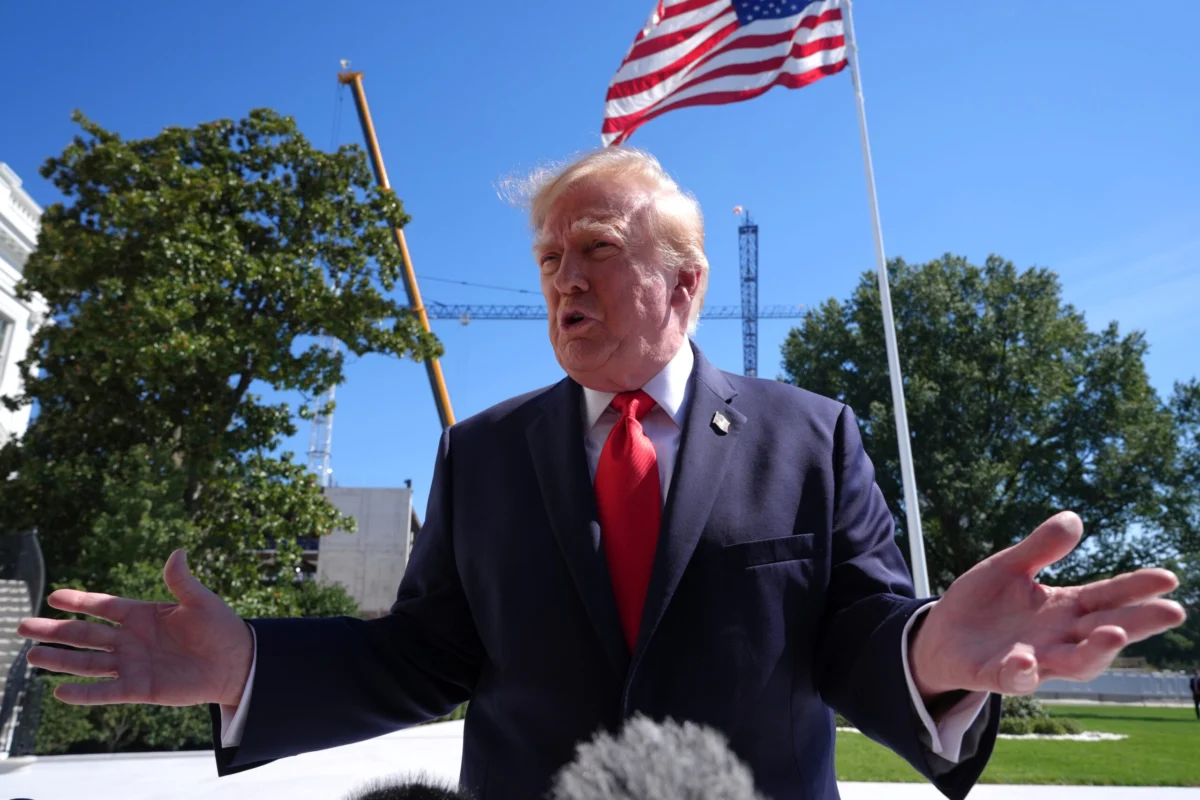
The decision to bolster the anti-piracy unit’s presence was also influenced by previous U.S. pressure. President Donald Trump had previously suggested that the cancellation of joint U.S.-South Korea military exercises in August was partly a consequence of South Korea’s reluctance to assist in U.S. operations against Iran. Following this, the South Korean government had indicated a preference to pursue deployment to the strait only after the conclusion of the U.S.-Iran conflict, a stance that underscores its cautious approach to direct confrontation.
Despite the nuanced position, an official from the presidential office insisted that claims of South Korea having provided no assistance related to the Strait of Hormuz were inaccurate. The official asserted that Seoul had been actively engaged in discussions about practical contributions with the international community for an extended period, suggesting a consistent, albeit often understated, commitment to regional maritime security.
The Strategic Imperative of the Strait of Hormuz
The Strait of Hormuz, a narrow waterway connecting the Persian Gulf to the Gulf of Oman, is a vital artery for global energy trade. Approximately 30 percent of the world’s seaborne oil trade, including a significant portion of crude oil destined for East Asian nations like South Korea, passes through this critical maritime chokepoint. Its strategic importance cannot be overstated, as disruptions here can trigger severe fluctuations in global oil prices and supply chains.
The geopolitical dynamics in the Persian Gulf have been a source of global concern for decades. The region is a complex tapestry of alliances, rivalries, and economic interests, making any incident in the Strait of Hormuz a potential flashpoint with far-reaching international consequences. South Korea, as a major energy-importing nation, is particularly sensitive to any instability that could affect the reliable transit of oil.
Future Implications and South Korea’s Role
South Korea’s deliberations on contributing to maritime security in the Strait of Hormuz are indicative of its evolving role on the global stage. As a significant economic power, Seoul is increasingly expected to shoulder greater responsibility in addressing international security challenges, particularly those that have a direct impact on its national interests.
The decision on the extent and nature of South Korea’s contribution will likely be shaped by a confluence of factors: the intensity of U.S. diplomatic pressure, the prevailing security situation in the Strait of Hormuz, domestic public opinion, and the broader geopolitical landscape. The nation’s approach will undoubtedly be characterized by its trademark pragmatism, seeking to fulfill its international obligations while safeguarding its economic well-being and avoiding entanglement in direct conflicts. The coming weeks and months will likely see further developments as Seoul navigates these complex considerations, aiming to strike a balance that serves both its national interests and its commitment to global maritime security.