California has become the latest battleground in the escalating national debate over concert ticket pricing, with resale giant StubHub pouring an unprecedented sum into lobbying efforts to defeat a proposed bill aimed at capping concert ticket resale prices. The company’s significant financial outlay underscores the high stakes for the secondary ticketing market as consumer frustration over exorbitant markups continues to fuel legislative action across the United States.
A High-Stakes Legislative Battle in California
In a remarkable display of corporate lobbying power, StubHub reported nearly $2.6 million in expenses in California between April and June of this year. This figure represents the highest quarterly lobbying spend ever recorded by the company in the Golden State, pushing its total for the calendar year to $3.4 million. For the specified quarter, StubHub ranked as the second-largest lobbying spender in California, trailing only utility giant Pacific Gas & Electric and surpassing formidable industry players such as Chevron, Verizon, AT&T, and OpenAI. Such concentrated spending signals the critical importance StubHub places on the outcome of the proposed legislation.
The target of StubHub’s intense lobbying is Assembly Bill 1720 (AB 1720), introduced in February by State Assemblymember Matt Haney. If enacted, the bill originally sought to limit concert ticket resale prices to a maximum of 10 percent above the original face value. However, the legislative journey has already seen significant adjustments. An amendment has since narrowed the bill’s scope, restricting its application solely to smaller venues with capacities of 3,000 or fewer. This crucial change effectively exempts the vast majority of major amphitheaters, arenas, and stadiums, which typically generate the highest volume and most lucrative transactions on secondary ticketing platforms. Despite this amendment, the amended bill still represents a significant regulatory threat to the business model of ticket resale platforms.
The Genesis of Fan Outrage and Legislative Action
The legislative push for price caps is a direct response to years of escalating public outrage over what many consumers perceive as predatory ticket scalping and price gouging. The advent of online secondary markets transformed ticket resales from a street-level transaction into a sophisticated, multi-billion-dollar industry, often leaving genuine fans struggling to access live events at affordable prices. Instances of tickets for highly anticipated concerts selling out within minutes, only to reappear on resale sites at multiples of their original price, have become commonplace, fueling a widespread sense of injustice.
Escalating Resale Markups and Public Demand for Reform
For decades, the secondary ticket market has operated largely unchecked, allowing professional brokers to purchase large quantities of tickets during initial sales and then resell them at significant markups. This practice, often facilitated by bots and sophisticated software, creates artificial scarcity and drives up prices, forcing fans to choose between paying exorbitant sums or missing out entirely. Assemblymember Haney articulated this frustration, stating that "fans are getting ripped off" by a system where "professional scalpers have turned it into a massive multi-billion-dollar business." He highlighted how these resellers buy tickets "not because they want to go to the show, but because they know you want to go to the show," subsequently charging "two, three, four, sometimes five times" the original cost. This dynamic has profoundly impacted the accessibility and enjoyment of live music for many concertgoers.
A National Push for Consumer Protection
California’s legislative debate is part of a broader national trend. Several other states and jurisdictions have already moved to implement similar consumer protections this year. Maine, Vermont, and Washington, D.C. have all passed price cap laws in recent months. In July, Massachusetts Governor Maura Healey announced plans to include a price cap provision in the state’s supplemental spending bill. The growing momentum behind these measures reflects a bipartisan recognition of the need to address market imbalances in the ticketing industry.
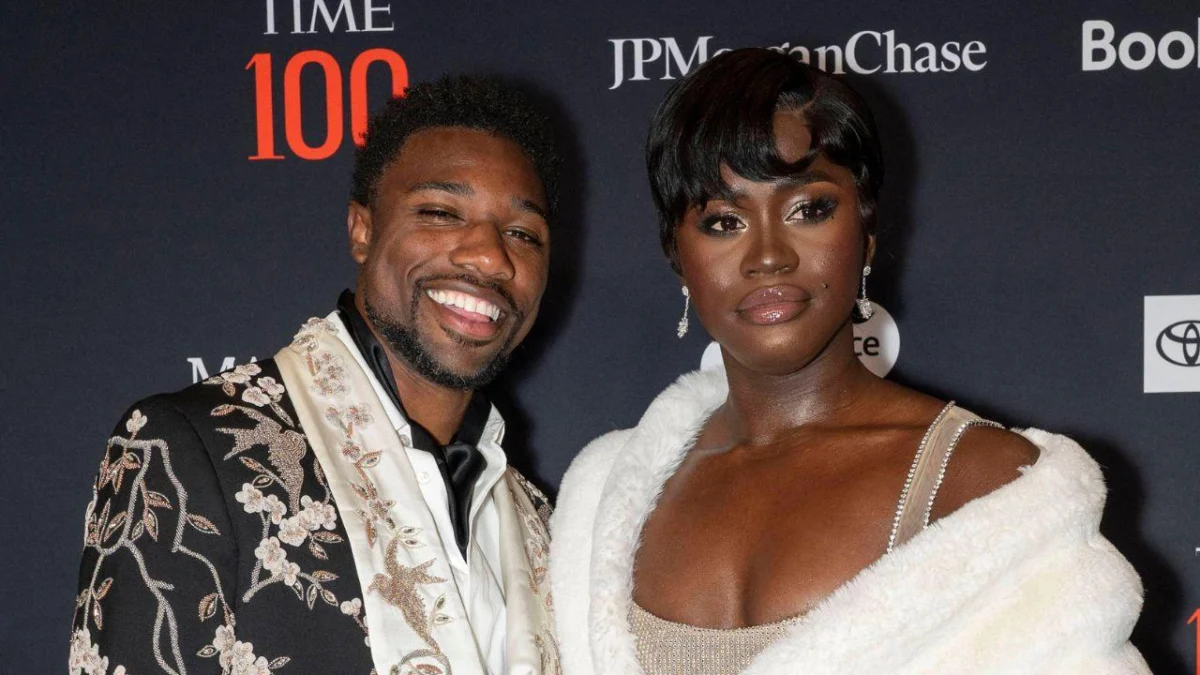
Artists themselves have emerged as vocal advocates for these reforms. Folk-pop sensation Noah Kahan, for instance, played a pivotal role in advocating for price cap legislation in his home state of Vermont and lent his support to the Massachusetts bill. Kahan emphasized the artist community’s benefits from limiting ticket scalping, stating, "I love my fans and I want to protect them however I can. Artists alone could not tackle the market manipulation of secondary resellers." This sentiment highlights a crucial aspect of the debate: artists’ desire to ensure their work remains accessible to a broad audience, unhindered by speculative pricing practices.
StubHub’s Defense: Access and Choice
StubHub, a prominent player in the secondary ticketing market, vehemently defends its business model and opposes AB 1720. The company argues that its platform serves a vital function in the live events ecosystem, providing "fans access to live events on their own terms through a secure, verified marketplace." This includes offering options for those unable to secure tickets during the initial on-sale, as well as providing opportunities for fans to find deals as event dates approach.
The platform’s core philosophy, as expressed in a company statement, posits that "more choice, flexibility, and access put fans first and help everyone get into the events they love." From StubHub’s perspective, restricting resale prices would limit consumer options, disrupt a legitimate market for ticket exchange, and potentially drive transactions to unregulated, less secure channels. The company’s substantial investment in lobbying reflects its conviction that such legislation fundamentally misunderstands the role and benefits of the secondary market.
Proponents Rally Against "Price Gouging"
Despite the arguments from resale platforms, a broad coalition of artists, independent venues, and consumer advocacy groups has thrown its support behind AB 1720. These proponents view price caps as a crucial step towards dismantling the profit motive that drives professional scalping and restoring fairness to the ticketing landscape.
Artists, Venues, and Advocates Speak Out
Organizations such as the National Independent Venue Association (NIVA), the Future of Music Coalition, and the Music Artist Coalition have been vocal in their support for AB 1720. They argue that unchecked resale markups harm both fans and the long-term health of the live music ecosystem. Stephen Parker, Executive Director of NIVA, characterized StubHub’s lobbying spend as an act of "desperation," asserting that the company is "staring into a future that does not allow them to make millions across the entire sector by price gouging consumers across the country." Parker emphasized California’s outsized influence, noting that "California is one of the biggest concert markets in the country. If California goes in terms of consumer protections around ticketing, we think the rest of the nation will soon follow."
The Complex Role of Live Nation
Adding a complex layer to the debate is the support for AB 1720 from Live Nation Entertainment, the global live music giant that owns concert promoter Live Nation and primary ticketing provider Ticketmaster. Live Nation’s involvement has raised eyebrows among some, given its own history of consumer complaints regarding high fees and dynamic pricing. The company itself has faced intense scrutiny and was recently found by a jury to operate as a monopoly in an antitrust lawsuit, a verdict that underscores the industry’s concentrated power.
Despite this, Live Nation’s backing of AB 1720, though less financially intense (reporting approximately $91,000 in lobbying in California for 2026), aligns with its stated interest in combating scalping. However, some critics view Live Nation’s support as a strategic move to further consolidate its control over the market by weakening secondary sellers, rather than a genuine commitment to consumer protection across the board.
The Financial Stakes for Resale Platforms
For secondary ticketing platforms like StubHub, SeatGeek, and Vivid Seats, the implementation of price caps represents a direct threat to their core business models. These companies derive substantial revenue from fees attached to ticket sales, and these fees are typically calculated as a percentage of the final sale price. By imposing a hard limit on how much a ticket can be resold for, price cap legislation directly restricts the potential revenue streams for these platforms.
The financial risk posed by such regulations is not theoretical; both StubHub and Vivid Seats explicitly mention price caps as significant risk factors to their businesses in their most recent 10-K reports filed with the U.S. Securities and Exchange Commission. While StubHub has taken the lead in lobbying against AB 1720, other platforms have also engaged, albeit on a much smaller scale, with SeatGeek reporting approximately $40,000 in lobbying expenses this year and Vivid Seats reporting $500. This disparity in spending highlights StubHub’s unique position and reliance on the current, unregulated secondary market.
Ethical Scrutiny and Industry Interconnections
The legislative battle in California is unfolding against a backdrop of increasing scrutiny into the internal workings and ethical practices of the ticketing industry. StubHub, in particular, has faced recent controversy that has further complicated its public image.
Allegations Against StubHub’s CEO
Last month, StubHub CEO Eric Baker drew significant backlash following revelations that he also operates Andro Capital, a hedge fund that reportedly finances ticket brokers who then sell tickets on StubHub’s platform. This perceived conflict of interest led House Democrats to announce a probe into StubHub in July, and both Baker and the company were subsequently hit with a class-action lawsuit alleging fraudulent misrepresentation and violations of state consumer protection statutes. While StubHub has stated that Baker’s affiliation with Andro Capital was publicly disclosed and that the fund represents "only a small fraction of StubHub’s total revenue," critics like NIVA’s Stephen Parker contend that "Their CEO is not just a platform operator, he’s also funding scalpers. They have a lot to lose." This issue raises fundamental questions about transparency and fair play within the live events ticketing ecosystem.
The Primary vs. Secondary Market Debate
Opponents of AB 1720, particularly those aligned with secondary market platforms, argue that the bill is a misguided attempt to address a complex problem. The Ticket Policy Forum, a coalition representing StubHub, SeatGeek, Vivid Seats, and TickPick, has actively campaigned against the bill. StubHub alone contributed over $1 million to the Forum this quarter, which has funded mail advertisements urging voters to oppose AB 1720, framing it as a Live Nation-Ticketmaster initiative designed to exert greater market control.
Brian Berry, Executive Director of the Ticket Policy Forum, contends that AB 1720 "only further empowers Ticketmaster because it places caps only on resale and doesn’t address rising ticket prices on the primary side as well." Berry argues that Live Nation-Ticketmaster’s "illegal monopoly" often manipulates inventory, creating artificial scarcity, and employs dynamic and platinum pricing to arbitrarily inflate ticket prices during initial sales. "Capping only resale does nothing to address this source of rising ticket prices," Berry asserted, advocating instead for legislation that fosters "open, fair and safe competition, improves transparency and fights fraud and deception." This perspective underscores the broader challenges in the concert business, where primary market prices, dynamic pricing, and hidden fees are frequently cited by concertgoers as major sources of frustration, irrespective of the secondary market.
Navigating the Future of Live Event Ticketing
The debate surrounding AB 1720 highlights a fundamental tension within the live events industry: how to balance market forces, consumer access, artist control, and fair business practices. While critics of resale caps argue that they benefit Live Nation-Ticketmaster by removing competition, advocates for the bill maintain that reform is needed across the board.
Kevin Erickson, Executive Director of the Future of Music Coalition, dismissed the framing of price caps as a Ticketmaster-friendly measure as "dishonest." He stressed that a truly healthy ticketing ecosystem requires comprehensive reform in both the primary and secondary marketplaces, and that these efforts are not mutually exclusive. Erickson articulated the core issue: "The behaviors [secondary platforms] have been engaging in and the practices that have become core to their business model are indefensible." He emphasized that the goal is not to eliminate the secondary market but to "create a system that aligns with the needs of fans, ticket buyers as well as artists and presenters." This includes enabling artists to set reasonable prices without fear of scalpers exploiting demand for profit. Erickson concluded by questioning, "Why accept this impoverished version of the music business where it’s just a cash grab above everything else? When we accept that level of cynicism, we’ve lost a whole lot of what makes live music special."
A Precedent-Setting Battle
The legislative battle over concert ticket resale prices in California is far from over, but its implications extend well beyond the state’s borders. As one of the largest and most influential markets in the nation, California’s actions often set precedents for other states. The outcome of AB 1720, even in its amended form, could significantly shape the future regulatory landscape for the entire live events industry, influencing how tickets are priced, sold, and resold across the country. The intense lobbying, diverse coalition of stakeholders, and passionate arguments on both sides underscore the profound impact this debate will have on artists, venues, and millions of concertgoers for years to come.