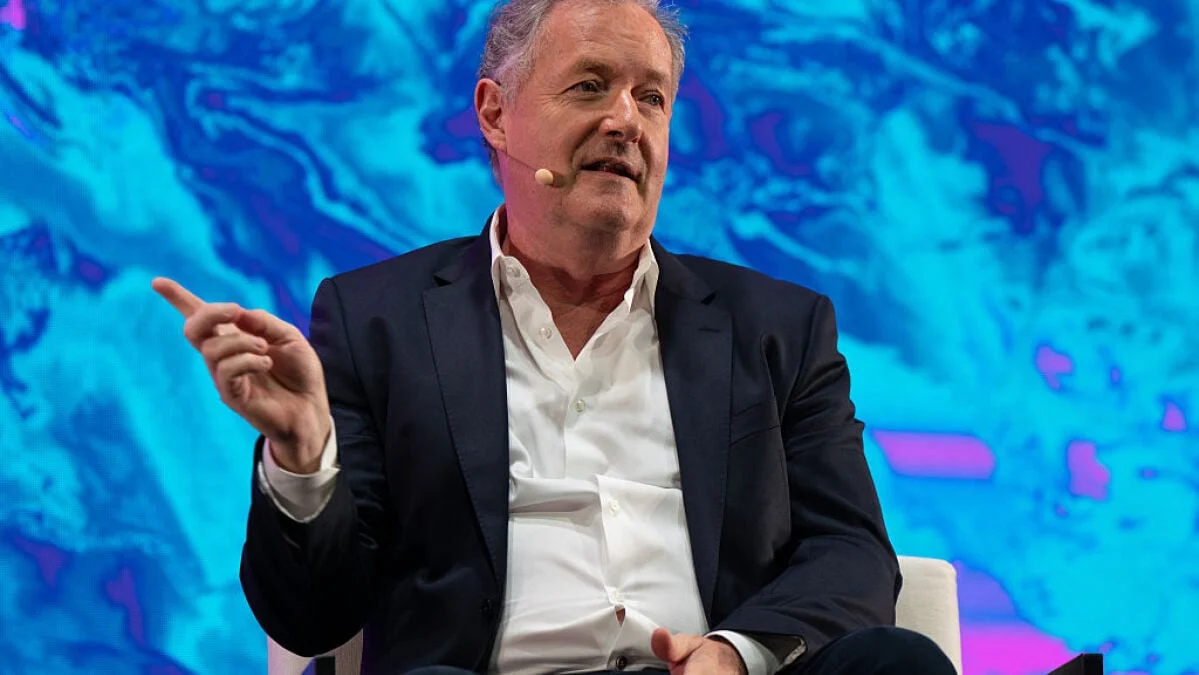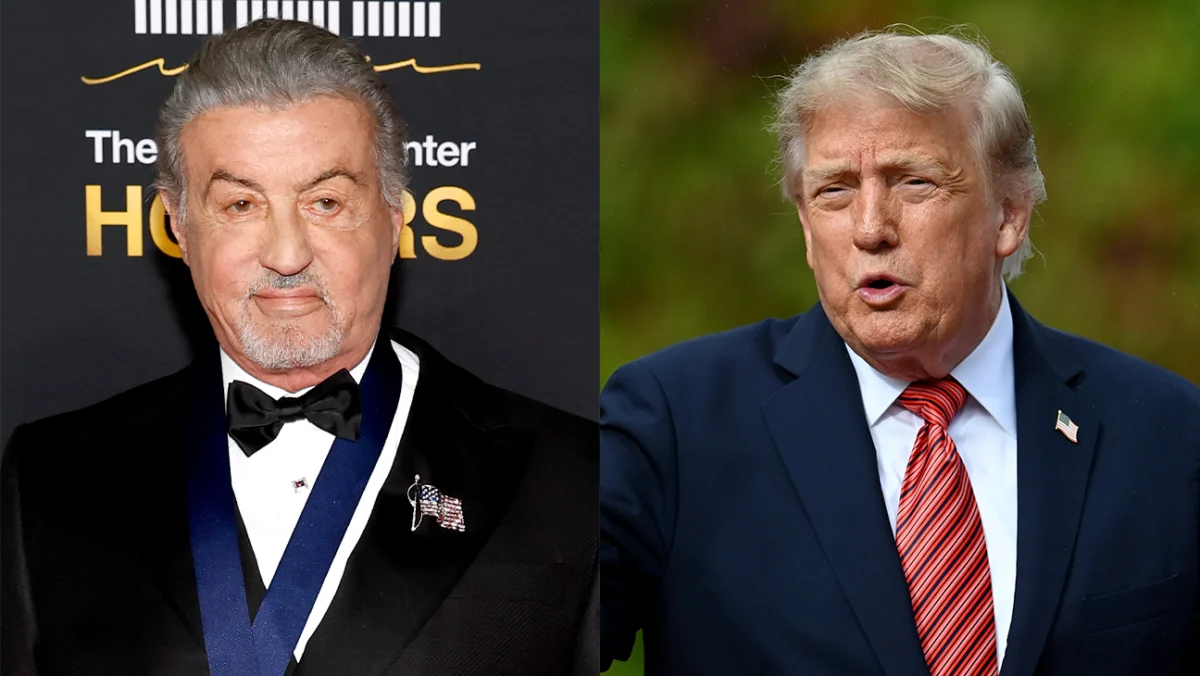
Sylvester Stallone recently disclosed that his appointment as a "Special Envoy" to Hollywood by then-President Donald Trump was a complete surprise, learned while watching television, a revelation that led him to promptly dismiss the idea as unworkable. The celebrated actor, best known for his iconic roles as Rocky Balboa and John Rambo, recounted his astonishment at the unexpected announcement, stating that he would have declined the role had he been consulted beforehand.
The Unsolicited Presidential Mandate
In a move intended to invigorate the American film industry, former President Donald Trump announced in a prior year his intention to appoint Sylvester Stallone, alongside fellow veteran actors Jon Voight and Mel Gibson, as "Special Envoys" to Hollywood. The stated purpose of this initiative was to "bring Hollywood, which has lost much business over the last four years to Foreign Countries, BACK—BIGGER, BETTER, AND STRONGER THAN EVER BEFORE!" President Trump articulated that these three prominent figures would serve as his "eyes and ears" within the entertainment capital, promising to implement their suggestions to achieve these ambitious goals.
The announcement came amidst broader efforts by the Trump administration to engage with various American industries, often through high-profile figures. The selection of Stallone, Voight, and Gibson, all known for their conservative leanings or past support for the Republican party, was seen by some as an attempt to bridge the perceived ideological divide between Washington D.C. and the predominantly liberal Hollywood establishment. The initiative aimed to address concerns about the exodus of film production to international locations, a trend often attributed to more favorable tax incentives and lower production costs abroad.
A Television Surprise and Immediate Rejection
Stallone’s account of how he learned of his official, albeit unsolicited, role underscores the unconventional nature of the appointment. During a recent interview with The Sunday Times, the actor vividly recalled the moment of discovery. "Well, it just happened," Stallone explained. "I was watching TV one night and they go, ‘So Stallone and Mel Gibson and Jon Voight will be…’ And I went, ‘What?’ I said, ‘Excuse me? Really?’" His immediate reaction was one of profound disbelief and surprise, highlighting the lack of prior consultation from the White House regarding the purported ambassadorship.
The actor emphasized that had he been approached before the public announcement, his response would have been an unequivocal rejection. "Because if they had asked me in the beginning, I would have said, ‘This is not possible,’" Stallone asserted. This direct statement revealed a fundamental disagreement with the premise of the role and the method of its assignment, setting a clear boundary for his involvement from the outset.
Stallone’s Strategic Assessment: "It Won’t Work"
Stallone’s reasons for dismissing the Trump Hollywood ambassadorship were rooted in a pragmatic understanding of the entertainment industry’s intricate dynamics and independent nature. He described Hollywood as akin to "feudal states," characterized by powerful studios and production companies that operate as "little kingdoms." According to Stallone, these entrenched entities are resistant to external direction, particularly from individuals perceived as outsiders attempting to dictate operational strategies.
"You don’t go in and tell six studios how to do things," Stallone explained, highlighting the futility of such an endeavor. He further noted that he, Mel Gibson, and Jon Voight were "kind of do-our-own-thing people," suggesting that their individualistic approaches would clash with any attempt to impose a unified vision or strategy on the industry. His conclusion was stark and definitive: "No, it won’t work." This assessment was not merely a personal preference but a professional judgment on the feasibility of the proposed ambassadorship.
Following his realization, Stallone confirmed that he communicated his reservations directly to President Trump. "I said thank you and ciao, because it’s impossible," he stated. Stallone articulated that Hollywood’s evolution is an organic process driven by its corporate structure and market forces, not by external mandates. He pointed out that "corporate people won’t want to hear me tell them about finance," underscoring his belief that his expertise, while significant in filmmaking, did not extend to the complex financial and operational decisions of major studios. His polite but firm refusal marked the end of his potential involvement in the initiative.
The "Political Atheist" Stance
Despite his public support for Donald Trump, including introducing the then-president-elect at a Mar-a-Lago party following the 2016 election, Sylvester Stallone has consistently maintained a stance of political neutrality. The Tulsa King actor has often described himself as "not a political animal" and even "almost a political atheist." This self-identification suggests a disinterest in partisan politics and a preference for individual autonomy over ideological alignment.
Throughout his extensive career, Stallone has endorsed politicians across the political spectrum, reinforcing his non-partisan image. This history indicates that his support for Trump was likely personal or issue-based rather than an endorsement of a specific political agenda or an invitation to assume a formal political role. His rejection of the Hollywood ambassadorship aligns with his stated desire to remain outside the political fray, focusing instead on his craft and creative pursuits. This incident further clarifies his position, distinguishing between personal admiration or occasional support and a willingness to accept an official, politically charged appointment that he deemed impractical.
Jon Voight Embraces the Envoy Role
In stark contrast to Stallone’s immediate rejection, Jon Voight, another actor named in President Trump’s initiative, seemingly embraced the "special ambassador" role. Voight, a vocal supporter of the former president, has reportedly used the designation to actively lobby for specific policy changes beneficial to the film and television industry. His engagement highlights a divergent approach among the appointed envoys, with Voight taking on a more active and advocacy-oriented role within the political sphere.
Earlier this month, Voight discussed his activities with The Hollywood Reporter, detailing his efforts to advocate for a federal film and television tax credit at the White House. This initiative aims to create a more competitive environment for domestic production, drawing projects back to the United States that might otherwise be filmed abroad. Voight’s commitment to this cause suggests a belief that a targeted federal intervention could significantly boost the industry’s economic health and job creation. His active participation underscores the potential for some celebrities to leverage their public platform and political connections to influence policy.
The Case for Production Tax Credits
Jon Voight’s advocacy for a federal film and television tax credit stems from a widely held belief within the industry that such incentives are crucial for maintaining competitiveness in the global entertainment market. Production tax credits are government programs designed to incentivize film, television, and digital media production by offering rebates, exemptions, or reductions on taxes for eligible expenses incurred within a specific jurisdiction. These incentives are commonplace internationally, with many countries and even U.S. states offering lucrative packages to attract productions.
Voight passionately argued for the transformative potential of such a federal credit, stating, "If we get on an even keel with the rest of the world’s tax benefits, if we get that break, there’s going to be an explosion of energy." He envisioned a "golden age" for Hollywood, predicting an immediate and substantial influx of production activity. "It will be immediate. As someone mentioned, our business is a shovel-ready business. They will call people tomorrow, people will be getting ready immediately. [Then] it affects the communities they’re working in." This perspective emphasizes the rapid economic impact of film production, from job creation for crews and actors to increased spending in local economies on goods and services. The argument posits that a federal tax credit could reverse the trend of "runaway productions," bringing jobs and revenue back to American shores.
Gibson’s and Stallone’s Perceived Involvement
Despite Voight’s active engagement, the extent of Mel Gibson’s and Sylvester Stallone’s involvement in the "special ambassador" role, particularly concerning the federal tax credit lobbying, remains ambiguous. When asked about his fellow envoys’ participation, Voight noted that "They’ve been very busy, both of those guys actually have been extremely busy." His manager, Steven Paul, offered a more specific detail, adding, "Sly’s been doing his TV show, but Sly’s been very involved and he signed our letter" to the president regarding the tax credit.
This statement from Voight’s manager introduces a layer of complexity to Stallone’s prior declaration of complete disengagement. While Stallone unequivocally stated he declined the ambassadorship due to its impracticality, the mention of him signing a letter suggests at least a peripheral, supportive action on a specific industry issue. This might indicate a distinction for Stallone between accepting a formal political role and lending his name to an industry-wide initiative that aligns with broader economic interests, even if initiated by a politically connected colleague. Mel Gibson’s public involvement in the ambassadorship or the tax credit lobbying has been less visible, suggesting a similar, if not more pronounced, detachment from the official role.
The Broader Landscape: Politics, Celebrity, and Hollywood
The episode surrounding the Trump Hollywood ambassadorship underscores the complex and often fraught relationship between celebrity, politics, and the entertainment industry. Historically, Hollywood has maintained a significant, albeit sometimes contentious, influence on American politics, often serving as a major source of campaign funding, public endorsement, and cultural commentary. However, direct appointments of prominent actors to quasi-diplomatic roles within the industry itself are less common and often meet with skepticism.
Hollywood, largely perceived as a liberal stronghold, frequently finds itself at odds with conservative political administrations. Attempts by an "outsider" administration to directly intervene or appoint "envoys" to direct the industry can be seen as either a genuine effort to foster dialogue or a politically motivated gesture that misinterprets the industry’s autonomous and corporate nature. The divergent responses of Stallone and Voight illustrate the varied ways celebrities navigate their public platforms and political affiliations, balancing personal beliefs with professional realities. This incident also reflects the persistent challenge for political leaders in Washington to understand and effectively engage with the unique ecosystem of the entertainment industry.
Economic Realities of Film Production
Beyond the political theatrics, the debate over film and television production tax credits highlights genuine economic concerns within the industry. Film production is a highly mobile business; studios and independent producers constantly seek locations that offer the best financial incentives, infrastructure, and skilled labor. Over the past decades, many U.S. states and numerous countries worldwide have aggressively competed for production business by offering generous tax breaks, grants, and subsidies. This global competition has indeed led to a significant "runaway production" phenomenon, where American stories are filmed abroad, taking jobs and economic benefits with them.
The argument for a federal tax credit, championed by figures like Jon Voight, is rooted in the belief that a unified national incentive could level the playing field, making the United States a more attractive destination for its own productions. This involves not only direct financial benefits but also the long-term investment in maintaining a robust domestic workforce and state-of-the-art facilities. The economic impact extends far beyond the film set, influencing tourism, local businesses, and technological innovation. The discussion around the Trump Hollywood ambassadorship, therefore, touched upon a very real economic challenge facing a cornerstone American industry.
Implications for Industry and Public Perception
The saga of the unsolicited Trump Hollywood ambassadorship carries several implications for both the entertainment industry and public perception of celebrity involvement in politics. For the industry, Stallone’s rejection and Voight’s embrace illustrate the internal divisions and varied approaches to political engagement. It highlighted the challenges of imposing top-down directives on a complex, decentralized, and highly competitive sector. While some industry leaders might welcome government support for economic incentives, the idea of "special envoys" dictating creative or business strategies is likely to be met with resistance from fiercely independent studios and production houses.
For the public, the incident offers a glimpse into the often-unscripted intersection of celebrity and high-stakes politics. It underscores that while public figures may lend their support to political campaigns, accepting formal governmental roles is a different proposition entirely, often subject to personal assessment of practicality and efficacy. The episode served as a reminder of the inherent friction when political ambitions attempt to intersect with the unique cultural and corporate landscape of Hollywood, demonstrating that good intentions from one side may not always translate into effective action on the other.
The divergent paths of Sylvester Stallone and Jon Voight regarding the Trump Hollywood ambassadorship exemplify the intricate and often contradictory nature of celebrity engagement with political power. While one actor swiftly dismissed the unsolicited role as unworkable, citing the industry’s independent and corporate structure, another actively utilized the designation to lobby for tangible economic benefits like federal tax credits. This contrast underscores the varied interpretations of such an appointment and the differing strategies celebrities employ when their worlds intersect with national politics. Ultimately, the episode highlights the enduring complexities of merging political directives with the independent, corporate, and creative world of Hollywood, a dynamic that continues to evolve.