Ankara has summoned Ukraine’s ambassador to Turkiye to express grave concerns following two recent attacks on Turkish-operated vessels in the Black Sea, signaling a significant escalation in maritime security risks for commercial shipping navigating the vital waterway. The diplomatic move underscores Turkiye’s increasing alarm over the impact of the ongoing conflict between Russia and Ukraine on its own economic and logistical interests.
Escalating Tensions and Diplomatic Response
The Ukrainian ambassador to Ankara, Naryman Dzhelialo, was called to the Ministry of Foreign Affairs on Saturday for a crucial meeting where Turkish officials conveyed their strong objections and demands for enhanced safety measures. During the meeting, Ankara issued a stark warning about the "absolute need to ensure the safety of people, of assets, of navigation and of the environment in the Black Sea." This forceful diplomatic engagement highlights Turkiye’s growing frustration with the persistent threats to its commercial fleet.
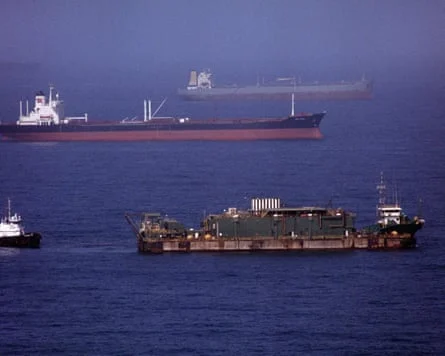
The summons followed a series of direct assaults on Turkish-flagged or Turkish-operated ships, intensifying fears for the safety of international maritime trade. The incidents serve as a stark reminder of the unpredictable and dangerous environment that commercial vessels now face in the Black Sea, a region critical for global grain and energy exports.
The Latest Incidents: A Pattern of Concern
The immediate catalyst for the diplomatic escalation was the attack on the Turkish-operated container ship Lider Bordo Mavi. The vessel was struck on Wednesday while operating in the Black Sea, reportedly off the coast of Tuapse, Russia. The incident immediately raised alarms within Turkiye’s maritime authorities and shipping industry.
Adding to the severity of the situation, the Lider Kocatepe, another Turkish-operated vessel, was targeted by a drone the following day. This second attack occurred as the Lider Kocatepe was en route to provide assistance to the Lider Bordo Mavi, suggesting a deliberate and escalating pattern of aggression. Turkish media reported that the Lider Bordo Mavi was subsequently towed to the Turkish port of Samsun, indicating the extent of the damage sustained.
These attacks are not isolated events but represent a worrying trend of increased risk for civilian shipping. Turkiye has repeatedly called for an end to hostilities targeting commercial vessels, emphasizing the detrimental impact on global supply chains and the safety of seafarers.
Black Sea: A Vital Artery Under Threat
The Black Sea is a crucial maritime corridor, serving as a primary route for exports from both Ukraine and Russia, including vital commodities like grain and oil. Since the full-scale Russian invasion of Ukraine in February 2022, navigation in the sea has been fraught with peril. The conflict has led to the disruption of established shipping routes, increased insurance costs for vessels, and a heightened risk of accidental or intentional damage to commercial shipping.
Turkiye, with its strategically important Bosphorus and Dardanelles straits, plays a pivotal role in managing maritime traffic in and out of the Black Sea. The country’s extensive coastline and reliance on maritime trade make the safety and security of this waterway a paramount national interest. The repeated targeting of its vessels directly impacts Turkiye’s economic interests and its capacity to facilitate international trade.
Broader Implications for Global Trade and Regional Stability
The escalating attacks on commercial shipping in the Black Sea have far-reaching implications that extend beyond the immediate concerns of Turkiye. The disruption of grain exports, in particular, can have a significant impact on global food security, especially in developing nations that rely heavily on Ukrainian and Russian agricultural products.
The incidents also underscore the broader challenges of maintaining freedom of navigation and ensuring the safety of civilian assets during periods of intense geopolitical conflict. The effectiveness of international maritime law and the ability of global powers to safeguard commercial interests are being tested in this volatile environment.
Turkiye’s unique position as a NATO member that maintains complex relations with both Russia and Ukraine places it in a delicate balancing act. While it has not imposed Western sanctions on Russia and has sought to act as a mediator, the direct impact of the conflict on its own economic and security interests is becoming increasingly difficult to ignore. The recent diplomatic actions signal a hardening stance on protecting its maritime assets.
A History of Maritime Incidents
This week’s attacks are not the first time Turkish commercial vessels have been targeted. Earlier this month, the Nadezhda cargo ship was hit by a drone near the Russian port of Novorossiysk, resulting in serious injuries to three crew members. Such incidents have contributed to a growing unease among Turkish shipowners and operators, who are increasingly questioning the viability of continuing operations in the Black Sea under current conditions.
Turkish media reports have frequently linked drone attacks on commercial ships to Ukrainian military actions. These reports suggest that Ukraine may be employing drones to target Russian assets and disrupt its economic activities, but the collateral damage to neutral commercial vessels is a growing concern for Ankara.
Turkiye’s Balancing Act and Strategic Interests
Turkiye has consistently sought to maintain a nuanced foreign policy, engaging with both Moscow and Kyiv. This approach has allowed Ankara to play a role in facilitating prisoner exchanges and in brokering agreements, such as the now-lapsed Black Sea Grain Initiative. However, the direct impact of the conflict on Turkish economic interests, particularly the safety of its commercial shipping, is forcing a reassessment of this delicate balance.
The country’s economic reliance on maritime trade makes the Black Sea a critical zone. The regular transit of its commercial vessels through this waterway necessitates a secure environment. The Turkish Foreign Ministry’s statement reflects a clear message that the current situation is untenable and that proactive measures are required to ensure the unimpeded flow of commerce and the safety of all maritime actors.
The Call for De-escalation and International Cooperation
Turkish Foreign Minister Hakan Fidan has previously voiced strong condemnation of attacks on commercial shipping, stating earlier this month, "They are attacking all commercial shipping without distinction." This sentiment underscores Turkiye’s frustration with the indiscriminate nature of the attacks and the disregard for the safety of civilian vessels.
The diplomatic pressure exerted by Turkiye on Ukraine highlights the growing international concern over the weaponization of maritime space in conflict zones. As the war continues, the risk of further escalation and unintended consequences for global trade and regional stability remains high. The international community is watching closely to see how these diplomatic exchanges will unfold and whether they will lead to improved security measures in the Black Sea.
The repeated targeting of commercial vessels poses a direct threat to global supply chains and the livelihoods of seafarers. Turkiye’s firm stance signals a clear demand for accountability and a renewed commitment to ensuring the safety and security of this vital international waterway. The coming days and weeks will likely reveal the extent to which diplomatic pressure can mitigate the risks faced by commercial shipping in the Black Sea.