The United Kingdom government has officially abandoned controversial plans that would have permitted artificial intelligence companies to train their models on copyrighted music without explicit permission from copyright holders. This significant policy shift, announced by the Minister for Innovation and Technology, Liz Kendall, marks a decisive victory for the U.K. music industry and its prominent artists, who had mounted a fervent campaign against the proposed "opt-out" legislation.
The proposed legislation had aimed to place the burden of protecting their work on creators, requiring them to actively register their music to prevent its use in AI training. This approach was widely criticized by musicians, songwriters, and industry bodies as fundamentally unfair and detrimental to the livelihoods of those who create the content that fuels technological advancement. The government’s decision to withdraw these plans and initiate a new consultation process signals a commitment to finding a more balanced solution.
Creative Industries Mobilize Against AI Training Plans
The U.K. music sector, a vital contributor to the nation’s economy and cultural landscape, had expressed grave concerns over the potential ramifications of the government’s initial proposal. The prospect of AI systems freely ingesting vast amounts of musical works to generate new content, without compensation or consent, was viewed as an existential threat. This sentiment was powerfully articulated by a chorus of influential voices within the industry.
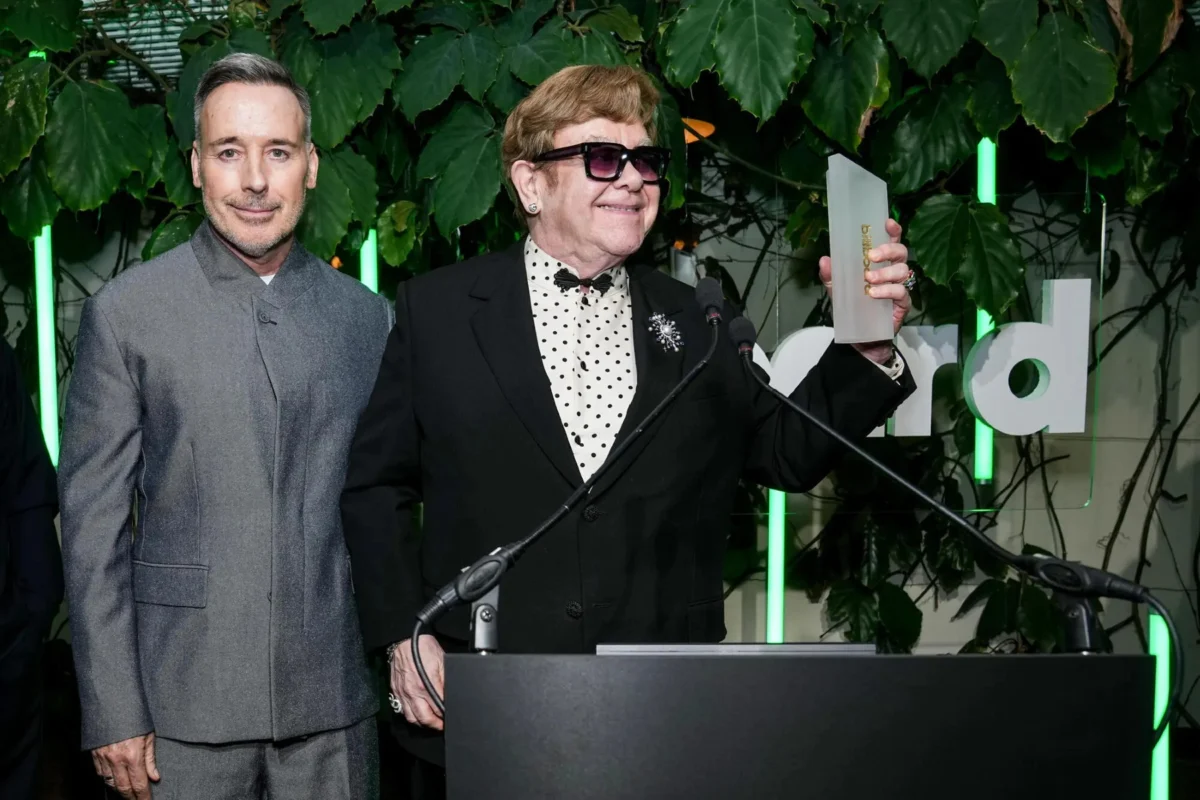
Sir Elton John, a global music icon, was among the most vocal critics. Speaking at Billboard’s Global Power Players event in June 2025, he passionately argued for the protection of artists’ rights, emphasizing the need for transparency and fairness in the burgeoning field of AI development. His stance resonated deeply with peers such as Sir Paul McCartney and Dua Lipa, who also lent their considerable influence to the cause.

"We are not against Labour and we want a solution," Sir Elton John declared during his address. "We want to bring all parties together in a way that is transparent and fair and allows artists to maintain control of their work." He concluded with a defiant statement that underscored the industry’s resolve: "We will not back down and we will not go away quietly. This is just the beginning."
A Year of Activism and Opposition
The campaign against the AI "opt-out" policy gained significant momentum throughout the preceding year. The music industry organized various forms of protest and advocacy to highlight the potential dangers. In a unique demonstration of artistic opposition, a group of prominent musicians, including Damon Albarn and Kate Bush, released a "silent album" titled Is This What We Want? This symbolic act served to draw attention to the profound concerns about AI’s unchecked access to creative works.
The collective opposition from artists, songwriters, and industry organizations ultimately proved to be a powerful force. The government’s acknowledgment that the plans were "overwhelmingly rejected by the vast majority of the creative industries" indicates the success of these concerted efforts. The withdrawal signifies a recognition of the deep-seated anxieties and the potential negative impact on the creative economy.
Economic Implications and Industry Concerns
Tom Kiehl, chief executive of U.K. Music, a trade body representing the collective interests of the British music industry, described the abandoned opt-out plans as "deeply damaging." He urged the government to ensure that such proposals are not revisited in the future, safeguarding the sector’s economic stability.

"The 220,000 people in our sector which generates £8 billion ($10.75 billion) for the U.K. economy should be entitled to work and earn a living without the constant fear that the fruits of their labour could effectively be taken by AI firms without payment or permission," Kiehl stated. This highlights the substantial economic contribution of the music industry and the financial risks associated with inadequate copyright protection in the age of AI.
The concerns extend beyond potential financial losses. The very essence of creative ownership and the ability for artists to control their intellectual property are at stake. Without robust safeguards, the unique value of human creativity could be devalued, potentially stifling future artistic endeavors.
Lessons from International Markets
The debate over AI and copyright in the music industry is not unique to the U.K. Other jurisdictions have grappled with similar challenges, providing valuable case studies and insights. Dr. Jo Twist OBE, chief executive of the BPI (British Phonographic Industry), pointed to the experiences of markets like the European Union, which has adopted an opt-out approach for AI training data.
"Other markets have shown that opt-out schemes introduce more legal uncertainty, are unworkable in practice, and are woefully ineffective in protecting creative work from misuse and theft," Dr. Twist explained. This international perspective reinforces the U.K. government’s decision to reconsider its approach and seek a more effective and equitable solution. The BPI represents the interests of record companies, and its executive’s comments underscore the widespread industry consensus against the opt-out model.
Navigating the Future: Consultation and Innovation

In response to the overwhelming feedback from the creative industries, the U.K. government has announced its intention to launch a new consultation. This process aims to foster a collaborative environment where all stakeholders can contribute to developing a workable path forward. The goal is to strike a delicate balance: protecting the rights and livelihoods of copyright holders while simultaneously encouraging the responsible development and deployment of AI technologies.
Minister Liz Kendall emphasized that "the government no longer has a preferred option," signaling an openness to exploring alternative frameworks. This new phase of dialogue is crucial for addressing the complex ethical, legal, and economic questions surrounding AI’s impact on creative content. The focus will likely shift towards exploring models that ensure fair remuneration for artists and creators whose works are used for AI training, potentially through licensing agreements or other forms of compensation.
The decision to abandon the opt-out approach is a significant moment for the U.K. music industry. It reaffirms the value of human creativity and the importance of robust copyright protections in an increasingly digitized world. While the path ahead involves further consultation and negotiation, the immediate outcome is a cause for celebration among artists and industry professionals who have fought to preserve the integrity of their work. The successful mobilization of the creative sector serves as a powerful reminder of the impact collective action can have in shaping policy and protecting artistic endeavors. The ongoing dialogue will be critical in determining how AI and music can coexist and thrive in a mutually beneficial manner, ensuring that innovation does not come at the expense of creativity.