Molendotech, a biotechnology firm emerging from the University of Plymouth, is set to debut a real-time mapping application this October designed to provide instant visibility into bacterial contamination levels across British and American coastal and inland waterways. The initiative comes at a critical juncture as public concern over water safety reaches a fever pitch, fueled by a surge in reported illnesses among swimmers and a series of high-profile sewage discharge scandals.
The forthcoming application represents a significant leap in environmental monitoring technology, integrating live data from rapid-response field tests with advanced artificial intelligence. By synthesizing local water samples with variables such as rainfall patterns and tidal flows, the university spinout to launch water quality app for UK and US waters aims to provide a predictive model that warns the public of contamination risks before they become a health crisis.
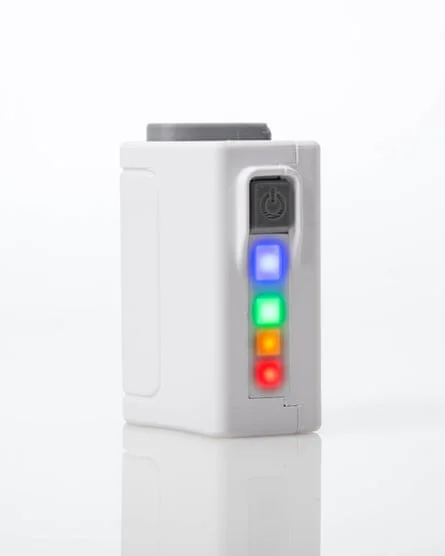
The foundation of this digital platform is Molendotech’s proprietary hardware, a portable testing kit known as Bactiquick. Unlike traditional methods that require water samples to be transported to a laboratory and incubated for 24 to 48 hours to grow bacterial cultures, the Bactiquick system delivers on-site results in approximately 15 minutes. This speed is essential for recreational water users who currently rely on data that may be several days old and no longer representative of current conditions.
Technical Innovation in Bacterial Detection
At the heart of the Molendotech system is a shift in how pathogens are identified in the field. Traditional testing looks for live, growing colonies of bacteria, a process that is inherently slow. Molendotech’s methodology instead focuses on detecting endotoxins—molecules found in the outer membrane of Gram-negative bacteria such as E. coli, Salmonella, and Legionella.
When these bacteria break down or multiply, they release these molecules into the surrounding environment. The Bactiquick device triggers a chemical reaction that produces a color change when these toxins are present. This reaction is then converted into electrical signals, providing a numerical readout of the bacterial load.
The portable nature of the device allows for repeated testing throughout a single day. This is a vital feature because water quality is not static; a heavy rain event or a change in the tide can flush contaminants into a swimming area within hours. By providing a "traffic light" system—green for low risk, amber for caution, and red for high risk—the app simplifies complex biological data for the general public.
Public Health Crisis and the UK Sewage Controversy
The push for a university spinout to launch water quality app for UK and US waters is largely a response to a deteriorating environmental situation in the United Kingdom. In recent years, British water companies have faced intense scrutiny for discharging untreated sewage into rivers and coastal waters during periods of heavy rain. While these "storm overflows" are legally permitted to prevent sewage from backing up into homes, the frequency of these events has sparked national outrage.
The human cost of this pollution is becoming increasingly documented. Surfers Against Sewage, a leading environmental campaign group, reported 164 instances of sickness from beachgoers in the first half of this year alone. These reports include a range of ailments, from common gastroenteritis and stomach flu to more severe ear, nose, and throat infections.

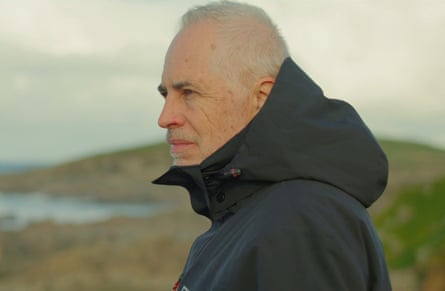
Simon Jackson, a professor of environment and human health at the University of Plymouth and the chief scientific officer of Molendotech, founded the company in 2018. His motivation was personal; his stepdaughter contracted conjunctivitis and a severe throat infection after a swim in the sea, requiring a course of antibiotics. Jackson’s research into inflammatory diseases and sepsis provided the scientific framework for a tool that could prevent such occurrences by giving families real-time information.
Discrepancies in Official Safety Ratings
One of the most compelling arguments for the new app is the discrepancy between official government ratings and real-time conditions. In July 2024, Molendotech’s testing at Saltdean beach in Sussex identified the water as "high risk." At the same time, the UK Environment Agency had officially graded the beach’s water quality as "excellent."
This disconnect occurs because official testing regimes are often infrequent, sometimes occurring only once a week or once a month. A beach can be sampled on a clear Monday and receive a top rating, only for a major sewage spill to occur on Tuesday. Without real-time monitoring, the public continues to swim in contaminated water under the false impression that it is safe.
Jackson noted that his team has also seen the reverse: beaches rated as "poor" by the government that actually test clean on a specific day. The goal of the university spinout to launch water quality app for UK and US waters is to replace these static, outdated labels with a dynamic system that reflects the water’s true state at the moment a swimmer enters the surf.
Expansion into the United States and North America
While the crisis in the UK is centered on aging sewage infrastructure, the United States faces its own set of challenges, ranging from agricultural runoff in the Great Lakes to the emergence of rare but deadly pathogens in warming coastal waters. Molendotech has already established a distribution network near the Great Lakes to address the needs of local authorities and environmental groups in that region.
The threat of Vibrio vulnificus, often referred to as "flesh-eating bacteria," has become a growing concern in the U.S. Gulf Coast and Southern Atlantic states. Health officials in Louisiana recently issued warnings after nine cases of Vibrio infections were reported among beachgoers. These bacteria thrive in warm, brackish water, and as global temperatures rise, their range is expanding further north.
By launching its app in the U.S. simultaneously with the UK, Molendotech aims to provide a standardized tool for monitoring these diverse threats. The integration of AI will be particularly useful in the U.S., where large-scale environmental data sets from the National Oceanic and Atmospheric Administration (NOAA) can be used to refine predictive models for bacterial blooms and runoff events.
Financial Growth and Global Strategy
The commercial trajectory of Molendotech reflects the surging demand for environmental transparency. The company’s sales revenue has seen a near 30-fold increase over the past year. In mid-2025, monthly revenue hovered in the thousands; by May 2026, it peaked at £94,000 (approximately $120,000).
To support this rapid growth, the company recently secured £860,000 in a new funding round. Investors include the Cornwall and Isles of Scilly Investment Fund, the Exeter-based venture capital firm QantX, and various private backers. This brings the total investment raised to date to £2.4 million, supplemented by £1.4 million in grant funding from Innovate UK and other government bodies.
The new capital is earmarked for further expansion into North America, as well as the coastal markets of New Zealand and Australia. These regions share similar concerns regarding the impact of climate change on water safety and the need for decentralized, rapid testing solutions that do not rely on centralized laboratory infrastructure.
Implications for Industry and Local Government
The introduction of the university spinout to launch water quality app for UK and US waters is likely to place additional pressure on water utility companies and local governments. Currently, these entities hold a monopoly on water quality data, often releasing information on their own terms and timelines.
If private citizens, environmental groups, and local councils begin using handheld devices to generate their own data, it creates a new level of accountability. Several UK water companies are already trialing Molendotech’s devices, perhaps recognizing that real-time transparency is becoming an inevitability rather than an option.
Furthermore, the technology has applications beyond recreational swimming. Local authorities can use the kits to monitor the safety of drinking water sources after floods, and agricultural businesses can ensure that irrigation water is not contaminated with pathogens that could lead to foodborne illness outbreaks.
A New Era of Environmental Transparency
As the October launch approaches, the university spinout to launch water quality app for UK and US waters stands as a testament to the power of academic research transitioned into the private sector. The project bridges the gap between complex microbiology and everyday public safety, providing a tool that was previously only available to specialized scientists.
The convergence of climate change, failing infrastructure, and a more health-conscious public has created a perfect storm for Molendotech’s technology. By shifting the paradigm from "test and wait" to "test and know," the company is positioning itself at the forefront of a global movement toward environmental data democratization.
While the app will not fix the underlying causes of water pollution—such as underinvestment in sewage systems or agricultural mismanagement—it provides the public with the necessary information to navigate a more hazardous environment. In an era where the safety of our natural resources can no longer be taken for granted, real-time data may be the most effective defense against the rising tide of waterborne illness.