U.S. forces conducted strikes targeting civilian infrastructure in southern Iran late Thursday, coinciding with reports of widespread power outages and damage to a train station in the port city of Bandar Abbas, as Iran reiterated its stance that the Strait of Hormuz would not revert to its pre-conflict status. The latest military actions mark the sixth consecutive night of U.S. operations against Iran, intensifying a crisis that has sent tremors of instability across the Middle East.
Escalation in Southern Iran and Strait of Hormuz Standoff
The unfolding events in southern Iran underscore a significant escalation in the ongoing conflict, with reports from Iranian officials indicating that the strikes have impacted critical civilian facilities. Power outages were widespread in affected areas, and significant damage was reported at the Bandar Abbas train station, a vital transportation hub. These developments suggest a broadening of the conflict’s scope, moving beyond previously targeted military installations to include infrastructure with direct implications for the civilian population.
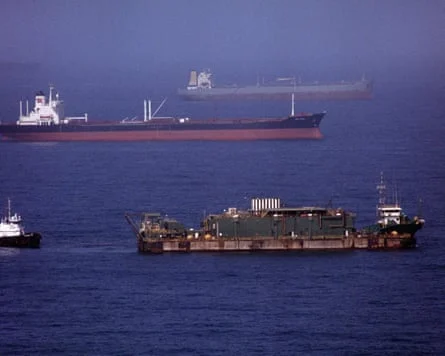
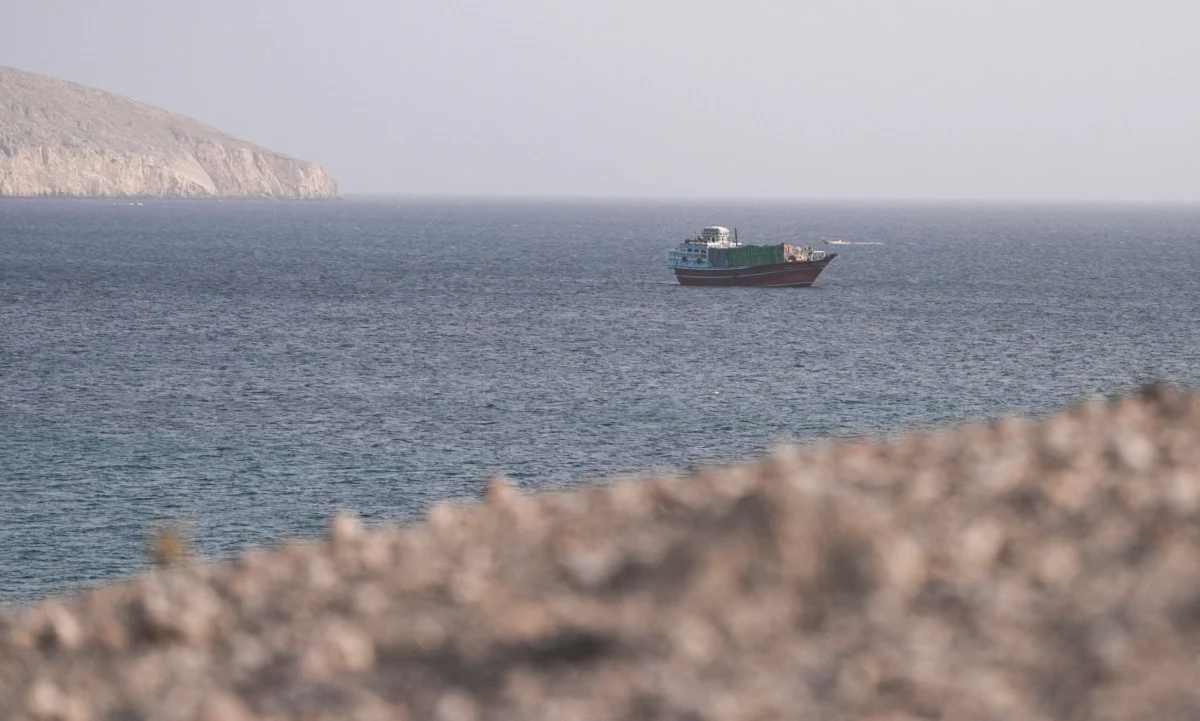
The situation in the strategically vital Strait of Hormuz remains a focal point of the broader crisis. Iranian authorities have firmly stated that the waterway will not return to its pre-conflict operational status, a declaration that carries profound implications for global energy markets and international shipping. This unwavering position from Tehran signals a potential prolonged disruption to one of the world’s most crucial maritime choke points, raising alarms among global economic powers.
Background: A Region on Edge
The current military engagement stems from a complex web of geopolitical tensions that have been simmering for years. The U.S. has cited a series of escalating provocations and threats originating from Iran, including alleged attacks on international shipping and regional allies, as justification for its military response. Iran, conversely, has framed the U.S. actions as unprovoked aggression and an attempt to destabilize the region.
The Strait of Hormuz, a narrow waterway connecting the Persian Gulf to the Gulf of Oman, is the transit route for approximately 30% of the world’s seaborne oil. Any disruption to shipping in this area has immediate and far-reaching economic consequences, driving up oil prices and threatening global supply chains. Iran’s control over much of the strait’s northern coastline has long been a source of leverage in its regional and international dealings.
Timeline of Recent Developments
The latest strikes follow a pattern of U.S. military actions initiated earlier in the week. While specific details regarding the U.S. objectives for the current wave of strikes have not been fully disclosed, they are understood to be part of a broader strategy aimed at degrading Iran’s military capabilities and deterring further aggressive actions.
Reports from Iranian state media began to surface shortly after the strikes, detailing the impact on civilian infrastructure. The mention of power outages and damage to the Bandar Abbas train station suggests that the U.S. operations may have extended to targets with dual civilian and military significance, or inadvertently impacted civilian areas. International observers are closely monitoring for any confirmation of civilian casualties.
The statement from Tehran regarding the Strait of Hormuz’s post-conflict status marks a hardening of its diplomatic and strategic position. This declaration could signal Iran’s intent to maintain a heightened level of control or influence over the strait, even if hostilities were to de-escalate, thereby altering the regional security landscape permanently.
Analysis: Strategic Objectives and Potential Consequences
The U.S. military’s decision to target infrastructure in southern Iran, particularly civilian facilities, raises significant questions about the evolving strategic objectives of the operation. While the stated aim is often to degrade military capacity, the impact on civilian infrastructure can lead to unintended humanitarian consequences and fuel further animosity. The choice of Bandar Abbas, a major port city and naval base, suggests a focus on disrupting Iran’s maritime capabilities and logistical networks.
Iran’s firm stance on the Strait of Hormuz is likely a strategic move to assert its regional power and leverage its geographic advantage. By threatening to alter the pre-war status of the strait, Tehran aims to impose long-term costs on international commerce and exert pressure on global powers to reconsider their policies towards Iran. This could involve stricter naval patrols, increased risk to shipping, or even the imposition of transit fees, fundamentally changing maritime governance in the region.
The potential consequences of these actions are manifold. Economically, prolonged disruption to the Strait of Hormuz could trigger a global energy crisis, leading to sharp increases in oil prices and widespread inflation. Geopolitically, the conflict risks drawing in other regional actors, further destabilizing an already volatile Middle East and potentially leading to a wider regional war. The humanitarian impact on the civilian population of Iran, already grappling with economic sanctions, could be severe.
Impact on Global Markets and Regional Stability
The ongoing conflict and the heightened tensions surrounding the Strait of Hormuz are already having a palpable impact on global energy markets. Futures for crude oil have seen significant upward volatility, reflecting the market’s anxiety over potential supply disruptions. Oil-exporting nations in the region are closely watching the developments, as are major oil-consuming nations.
Beyond the immediate economic fallout, the broader implications for regional stability are profound. The U.S. military actions, coupled with Iran’s defiant stance, risk a dangerous escalation that could embroil neighboring countries. The specter of a wider conflict looms, with potentially devastating consequences for the populations and economies of the Middle East. International diplomatic efforts are likely being intensified behind the scenes, though public pronouncements suggest a hardening of positions on both sides.
Public Reaction and International Scrutiny
Reports of strikes on civilian infrastructure invariably draw intense public scrutiny and international condemnation. Human rights organizations and international bodies are expected to call for restraint and adherence to international humanitarian law. The civilian population in Iran, caught in the middle of escalating conflict, faces the brunt of the consequences, including potential displacement, loss of essential services, and the constant threat of violence.
The U.S. administration faces pressure to provide clear justifications for its actions, particularly concerning the impact on civilian targets, and to demonstrate a commitment to de-escalation and the protection of non-combatants. International allies are likely urging caution and seeking diplomatic resolutions to prevent further escalation.
Next Steps and Future Outlook
The immediate future of the Iran crisis hinges on the decisions made by both Washington and Tehran in the coming days and weeks. Further U.S. military actions could lead to retaliatory measures from Iran, potentially involving asymmetric warfare tactics or further disruption of maritime traffic. Conversely, a de-escalation of rhetoric and a renewed commitment to diplomatic channels could offer a path towards reducing tensions.
The long-term implications of Iran’s declaration regarding the Strait of Hormuz remain to be seen. If Iran succeeds in altering the status quo, it could fundamentally reshape regional power dynamics and maritime security for years to come. The international community will be watching closely to see how these complex geopolitical chess moves play out, with the stability of a critical global region hanging in the balance.