In a significant diplomatic maneuver, senior U.S. envoys Steve Witkoff and Jared Kushner met with Russian President Vladimir Putin in Moscow, signaling a renewed, albeit complex, effort by the Trump administration to broker an end to the protracted Russia-Ukraine war. The discussions, described as "highly useful" by Kremlin aide Yuri Ushakov, lasted over three hours and reportedly explored "possible avenues for a settlement" in Europe’s deadliest conflict since World War II.
President Donald Trump publicly announced that his envoys carried a "proposal to end the war," a statement that a senior Russian official echoed by calling it an "important peacemaking visit." Following their engagement in the Russian capital, Witkoff and Kushner were scheduled to travel to Kyiv to present their proposals to Ukrainian President Volodymyr Zelenskyy, aiming to revive stalled diplomatic channels amidst escalating hostilities. A three-day ceasefire, announced by both Moscow and Kyiv to coincide with the delegation’s visit, underscored the fragile nature of the current diplomatic push.
Examining the Latest Diplomatic Initiative on the Russia-Ukraine War
The core of the recent U.S. initiative appears to revolve around proposals for a peace settlement, though specific details remain guarded. Kremlin aide Yuri Ushakov characterized the talks with President Putin as "substantive, very frank and constructive," indicating a willingness from the Russian side to engage, at least at a high level. Videos released from the meeting showed Putin meeting the U.S. envoys in the ornate Red Drawing Room of the Kremlin, acknowledging the difficult nature of the situation they were addressing.
However, significant obstacles to any lasting peace agreement persist, primarily rooted in fundamental disagreements between Moscow and Kyiv. Al Jazeera correspondent Yulia Shapovalova, reporting from Moscow, highlighted Russia’s non-negotiable demands, which include Ukraine’s commitment not to join NATO and the cession of four Ukrainian regions. This demand extends to territories not currently under Russian control, a point of contention that has consistently blocked previous peace efforts.
The international community, including the United Nations, has not recognized Russia’s September 2022 proclamation of annexation for the partially occupied regions of Donetsk, Luhansk, Kherson, and Zaporizhzhia. Ukraine has steadfastly refused to cede any territory, creating a significant impasse. The Trump administration’s stance on Ukraine’s NATO aspirations, which has previously leaned towards ruling out membership, could be a point of leverage, though it also raises concerns among NATO allies.
The Role of US Envoys in the Russia-Ukraine War Diplomacy
The selection of Steve Witkoff and Jared Kushner for this high-stakes diplomatic mission is noteworthy. Both individuals have been involved in significant, albeit sometimes controversial, peace negotiations under the Trump administration. Witkoff, appointed as the U.S. special envoy to the Middle East, was later tasked with assisting in efforts to end the Russia-Ukraine conflict. Kushner, Trump’s son-in-law, was instrumental in brokering the Abraham Accords, a series of normalization agreements between Israel and several Arab nations. This initiative, while lauded for achieving normalization, faced criticism for prioritizing regional stability without adequately addressing the Palestinian question.
The current peace plan for Ukraine remains largely undisclosed. However, reports suggest Trump has alluded to having "an idea for peace," maintaining a characteristic level of ambiguity. The delegation’s composition, which included officials from the National Security Council, the State Department, and the Treasury, indicates a comprehensive approach. The presence of Gene Lang, a Treasury official overseeing U.S. sanctions policy on Russia, strongly suggests that the extensive financial, economic, and trade sanctions imposed on Russia were a significant part of the Moscow discussions.
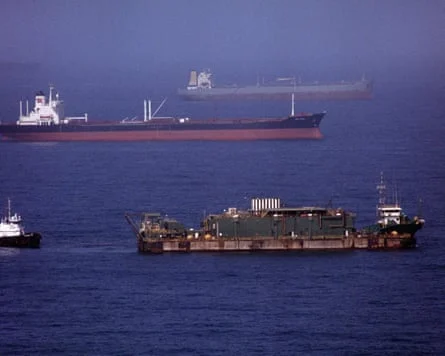
The Trump administration has employed sanctions as a key tool to pressure Russia into ending the war. Concurrently, the escalating conflict in Iran has diverted significant global attention away from Ukraine, potentially creating a window for renewed diplomatic engagement. The Iran situation has also strained transatlantic relations, with Trump publicly criticizing European and NATO allies for not contributing more to efforts to secure vital shipping lanes and for not adequately sharing the burden of collective defense against perceived Russian threats.
Next Steps and International Reactions to the Russia-Ukraine War Talks
Following their meetings in Moscow, Witkoff and Kushner were set to visit Kyiv, marking their first engagement with President Zelenskyy on this specific mission. This visit to the Kremlin was reportedly their second this year and eighth since the commencement of the full-scale invasion. However, experts express skepticism regarding the potential reception of the U.S. envoys in Ukraine.
Alexey Muraviev, a senior research fellow in defense and strategic studies at Edith Cowan University in Australia, noted that "the view in Ukraine is that Witkoff, and to some extent Kushner, are most susceptible to accepting Russia’s narrative." This sentiment suggests a cautious if not wary reception from Ukrainian officials, who have consistently advocated for unwavering support and territorial integrity.
Witkoff’s recorded remarks to Putin, expressing gratitude for the temporary ceasefire and conveying President Trump’s best wishes, have drawn particular attention. His statement that the experience would be among Putin’s "incredible stories and memories" and that Moscow would "do its utmost to ensure the safety of the mediators" has been interpreted by some as an overly familiar and potentially conciliatory tone, which may not resonate well with Ukrainian sensibilities. Al Jazeera correspondent Audrey McAlpine, reporting from Kyiv, suggested that such phrasing could be problematic for Ukrainians, highlighting a perceived familiarity between Witkoff and Putin that might be misconstrued.
The Current State of the Russia-Ukraine War and Diplomatic Efforts
The temporary cessation of attacks on the capitals of Russia and Ukraine was intended to facilitate the envoys’ diplomatic movements. However, reports of continued attacks in other regions underscore the volatile nature of the conflict. At least seven people were reported killed in Russian strikes on Ukraine, while a Ukrainian drone attack in Russia’s Belgorod region claimed one life.
In recent months, both sides have intensified their use of drones, resulting in numerous casualties. Ukraine’s advancements in producing long-range, cost-effective drones have enabled strikes on industrial and logistical targets deep within Russian territory. The ongoing conflict poses significant challenges to Ukraine’s infrastructure, particularly with the approaching winter. Muraviev pointed out that Putin is likely seeking a more strategic, long-term resolution to the conflict.
Recent drone incidents in several European countries, though unproven in their attribution, have fueled speculation of Russian involvement. These incidents, including a failed drone explosion at Leipzig airport in Germany and a fire at a drone factory in Poland, have added to the complex geopolitical landscape surrounding the war.
Trump’s Renewed Push for a Peace Deal in the Russia-Ukraine War
President Trump’s renewed focus on ending the Russia-Ukraine war is widely seen as a strategic move within his 2024 re-election campaign. He has repeatedly claimed he could resolve the conflict within 24 hours, though this ambitious timeline has been adjusted. His administration’s current diplomatic overtures are interpreted as an effort to mend U.S.-Russia relations, which have been strained by months of diplomatic stalemate.
Prior to this diplomatic push, CIA Director John Ratcliffe had visited Moscow to engage with Russian intelligence officials. The U.S. also extended an invitation to Russia’s Finance Minister, Anton Siluanov, to a recent G20 meeting, a move that drew criticism from several European nations who refused a joint photograph with the Russian diplomat.
Media reports indicate that Trump is expected to meet Putin again in November during the Asia-Pacific Economic Cooperation (APEC) summit in China. Russia’s Deputy Foreign Minister, Sergei Ryabkov, has not ruled out the possibility of a trilateral meeting involving the Russian, Chinese, and U.S. presidents, according to TASS.
This latest diplomatic initiative comes at a critical juncture for the Trump administration. The ongoing conflict in Iran remains deadlocked, and the Russia-Ukraine war has devolved into a grinding war of attrition. The unpopularity of the Iran war domestically, particularly with crucial midterm elections approaching, could amplify the impact of any perceived foreign policy success. A peace agreement in Ukraine in the coming weeks could provide a significant boost to Trump’s political standing ahead of the elections, potentially influencing the balance of power in Congress. The success or failure of these latest diplomatic endeavors will undoubtedly have far-reaching consequences for regional stability and international relations.