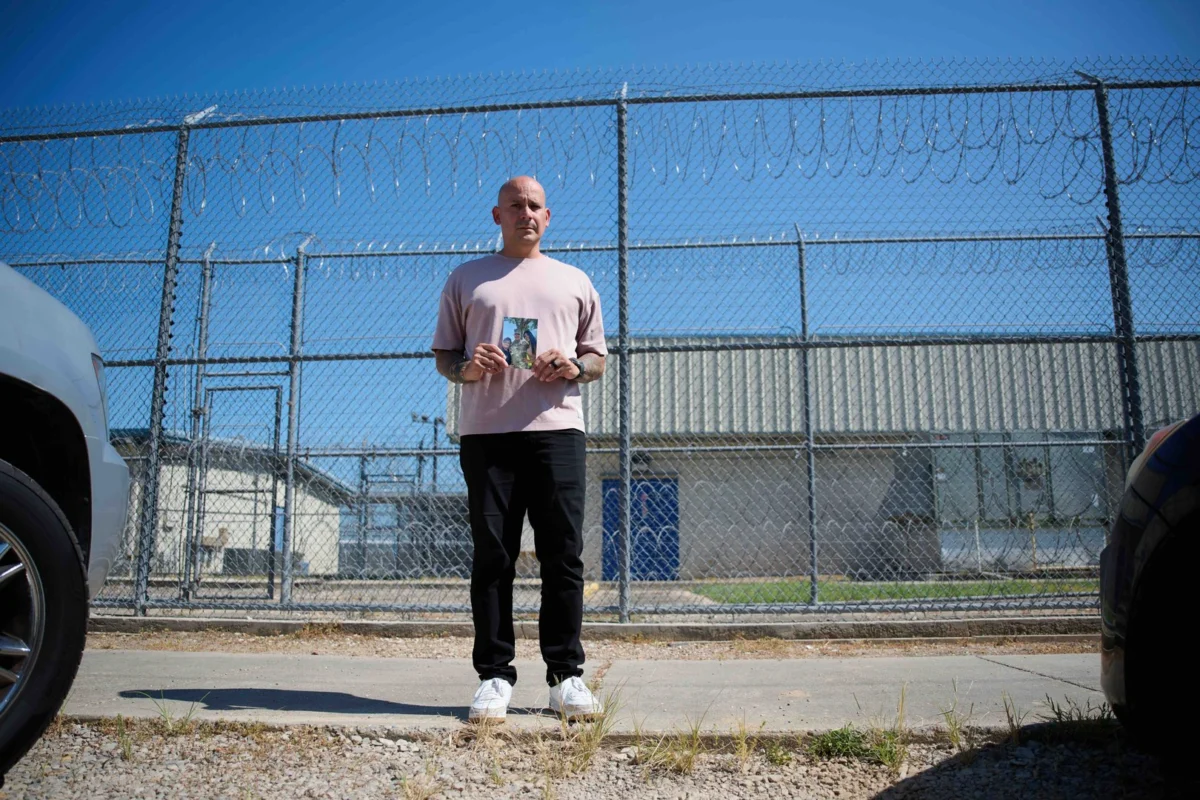
Dozens of spouses and parents of U.S. service members are reportedly being detained or deported following the Trump administration’s decision to end a vital immigration protection, with investigators suggesting these cases represent only a fraction of those affected. The crackdown, which began to accelerate in recent months, has placed families of those serving in uniform in a precarious and deeply distressing situation, threatening the stability and morale of the U.S. armed forces.
The End of Deferred Action for Military Families
For years, a critical safeguard known as Deferred Action for Parents of Americans and Lawful Permanent Residents (DAPA) provided a pathway to temporary relief from deportation for certain family members of U.S. citizens and lawful permanent residents. While not a direct protection for military families specifically, its broad application often encompassed parents and spouses of service members who were themselves undocumented. This program, part of a wider set of executive actions on immigration, offered a crucial reprieve, allowing these individuals to remain in the United States without fear of removal while their loved ones served the nation.
The termination of this program, announced by the Trump administration, has created a void in immigration protections that many military families had come to rely upon. The rationale behind the termination was often framed within a broader agenda of stricter immigration enforcement. However, the practical consequences have been devastating for families who have long been integrated into military communities and whose continued presence in the U.S. is seen by many as essential to the well-being of the service members they support.
Unraveling Decades of Integration: A Growing Crisis
The implications of this policy shift extend far beyond individual cases, impacting the broader military ecosystem. Many undocumented spouses and parents have lived in the United States for years, sometimes decades, contributing to their communities and raising American-born children, including those who are now serving in uniform. Their deportation not only tears apart families but also creates significant logistical and emotional burdens for the service members, potentially impacting their focus and readiness.
This situation is particularly acute given the unique demands of military service. Frequent deployments, geographic relocations, and the inherent stresses of military life are already challenging for families. The added anxiety of a loved one facing deportation amplifies these difficulties exponentially, raising questions about the government’s commitment to supporting the families of its service members. The very fabric of military life relies on a stable and supportive home front, and these deportations threaten to unravel that crucial foundation.
The Scale of the Problem: Investigations Uncover Disturbing Trends
An extensive investigation by the Associated Press has brought to light dozens of reported cases where spouses and parents of U.S. service members have been detained or deported since the protections were rescinded. These documented instances, while alarming, are believed by the investigators to be merely the tip of the iceberg. The complexities of immigration law, coupled with the often-private nature of military family matters, mean that many other affected individuals may not have come to public attention.
The investigation meticulously documented instances where individuals with long-standing ties to military families, including those with American-born children serving in the military, were targeted for deportation. These cases often involve individuals who have lived in the U.S. for many years, paid taxes, and maintained law-abiding lives, with their only vulnerability being their immigration status. The sudden shift in policy has left them vulnerable to enforcement actions that were previously unlikely to affect them.
Background and Context: A Shifting Immigration Landscape
The Trump administration’s approach to immigration was characterized by a significant increase in enforcement and a tightening of eligibility for various immigration programs. The decision to end DAPA was part of this broader strategy to curtail pathways to legal status and prioritize the removal of undocumented individuals. This policy shift marked a departure from previous administrations, which had, in some instances, shown greater leniency or offered specific protections for certain groups, including those connected to the military.
The Deferred Action for Parents of Americans program, established by the Obama administration, was itself a controversial initiative. However, its existence provided a critical layer of protection for many families. Its termination, therefore, represented a significant rollback of immigration protections that had been in place for a considerable period. The consequences of this rollback are now being acutely felt by military families who were either directly benefiting from the program or who relied on its existence as a buffer against deportation for their loved ones.
The Human Cost: Families Torn Apart
The human toll of these deportations is immeasurable. Families are being fractured, leaving service members to navigate the immense stresses of their duties while simultaneously dealing with the anguish of separated loved ones. Children born in the United States are being separated from their parents, creating profound emotional and psychological trauma. The loyalty and sacrifice of these service members, who are dedicating their lives to defending the nation, are being met with policies that seem to disregard the stability of their own families.
These deportations raise fundamental questions about fairness and the government’s responsibility to those who serve. Many argue that individuals who are integral to the support systems of U.S. service members should not be subjected to removal, especially when they have established deep roots in American communities. The focus on enforcement, in these instances, appears to overlook the unique circumstances and contributions of these families.
Legal Challenges and Public Outcry
The termination of DAPA and the subsequent deportations have not gone unchallenged. Legal battles have ensued, with various groups and individuals seeking to restore or replace the protections that were lost. Advocacy organizations have been vocal in their criticism of the administration’s policies, highlighting the detrimental impact on military readiness and the moral implications of deporting the family members of those serving in uniform.
Public opinion on immigration remains divided, but there is a general sentiment that military families should be afforded special consideration. Lawmakers from both sides of the aisle have, at times, expressed concern over the treatment of these families. However, the political landscape surrounding immigration remains complex and often polarized, making comprehensive legislative solutions difficult to achieve.
The Broader Implications for Military Readiness and Recruitment
The ongoing deportations of military family members could have significant long-term consequences for military readiness and recruitment. When service members are forced to contend with the potential or actual deportation of their parents or spouses, their ability to focus on their military duties can be severely compromised. This distraction can impact their performance, morale, and overall effectiveness.
Furthermore, such policies can create a chilling effect on recruitment. Potential recruits, particularly those from immigrant backgrounds or with family members who are undocumented, may be deterred from joining the military if they believe their families are not adequately protected. The armed forces rely on a diverse pool of talent, and any policy that alienates or disadvantages significant segments of the population could have a detrimental impact on the military’s ability to maintain its strength and capabilities.
Voices of Concern: Lawmakers and Advocacy Groups
Members of Congress and various immigration advocacy groups have voiced strong opposition to the current immigration enforcement policies affecting military families. They argue that these actions are not only inhumane but also counterproductive to national security interests. The calls for policy changes are growing louder as more cases come to light, emphasizing the need for a more compassionate and supportive approach to the families of those serving the country.
These organizations are working to raise awareness, provide legal assistance to affected families, and lobby for legislative reforms that would offer permanent protection to the undocumented relatives of U.S. service members. The goal is to ensure that the sacrifices made by service members are not compounded by the fear and uncertainty faced by their families.
The Path Forward: A Call for Policy Reform
The current situation presents a critical juncture for U.S. immigration policy and its impact on military families. The documented cases of detention and deportation underscore the urgent need for a re-evaluation of enforcement priorities and a commitment to supporting the families of those who serve. Lawmakers are under increasing pressure to address this issue, with many advocating for legislative solutions that would provide a clear and stable immigration status for the undocumented relatives of U.S. service members.
The long-term stability and effectiveness of the U.S. military depend, in part, on the well-being and security of its service members’ families. As the nation continues to grapple with complex immigration challenges, ensuring that the families of those who defend its freedoms are not subjected to deportation is a matter of both moral imperative and national interest. The ongoing crisis demands a comprehensive and compassionate response that upholds the sacrifices of military personnel and the integrity of their families.