The United States Navy aircraft carrier USS Abraham Lincoln has made its first port call in nearly ten months, arriving in eastern Thailand amidst growing reports of significant crew hardship and operational challenges following an extended deployment in the Middle East. The arrival at Laem Chabang port in Chonburi province marks a critical juncture for the carrier and its 5,000-strong crew, who have been at sea for an unprecedented nine and a half months. This extended period at sea comes on the heels of a taxing deployment supporting U.S. naval operations and combat engagements related to the ongoing conflict in Iran, a situation that has amplified concerns regarding the mental and physical well-being of the sailors and Marines aboard.
The nuclear-powered leviathan, a cornerstone of American naval power projection, was observed entering the port early Wednesday. Its arrival was preceded by that of the destroyer USS Frank E. Petersen Jr., and other accompanying U.S. naval vessels, signaling a significant American military presence in the region. By Wednesday afternoon, busloads of sailors and Marines, many in civilian attire, were seen disembarking and heading towards resort accommodations in Pattaya, a popular coastal city located approximately 150 kilometers southeast of the Thai capital, Bangkok. Thai officials have stated that the Lincoln’s stop is intended to provide a much-needed period of rest and recuperation for the crew before their eventual return to their home base in the United States.
A Long and Arduous Deployment
The USS Abraham Lincoln’s prolonged deployment has been central to the U.S. naval blockade and ongoing combat operations associated with the war against Iran. This conflict, initiated by the U.S. and Israel, was initially projected by President Donald Trump and his administration to be a swift engagement lasting only a matter of weeks. However, the war has now entered its seventh month, significantly extending the operational tempo for naval assets like the Lincoln. This protracted engagement has raised questions about the sustainability of such deployments and the strain they place on military personnel and equipment.
Visual evidence from journalists present at the port offered a stark depiction of the carrier’s arduous journey. The USS Abraham Lincoln’s hull bore the unmistakable signs of extended sea duty, appearing weathered and in need of significant maintenance, including a fresh coat of paint. Prominent rust patches marred the vessel’s exterior, particularly along the waterline and the edges of the flight deck where fighter jets and helicopters are stationed. These visual cues underscore the physical toll that nearly a year at sea can take on a warship, even one as technologically advanced as the Lincoln.
When questioned about the aircraft carrier’s unkempt appearance, Captain Dan Keeler, the Lincoln’s commanding officer, attributed it to the rigors of a long deployment. He stated that such conditions are "normal for a long deployment" and offered no further comment on the matter. This understated response from the commanding officer did little to quell the rising concerns about the ship’s condition and the well-being of its crew.
Political Undertones and Crew Morale
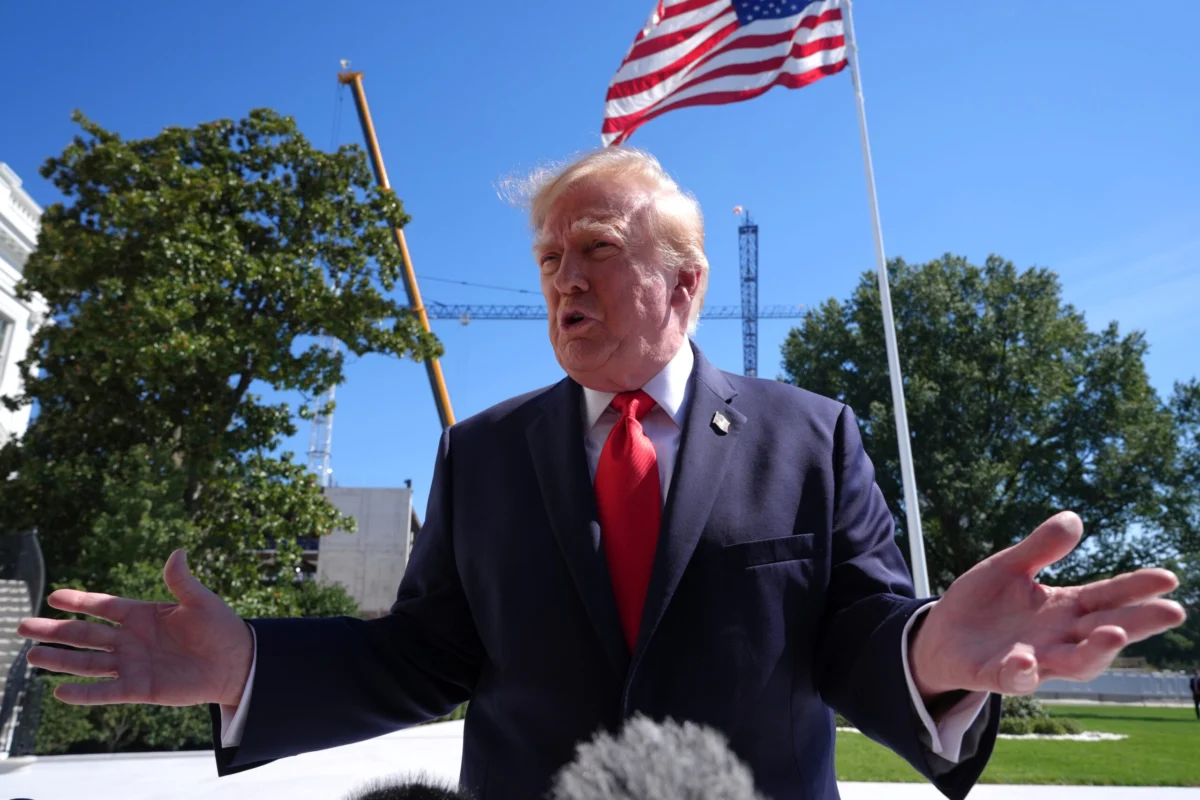
The extended deployment of the USS Abraham Lincoln has not been without its political implications. Families of the Lincoln’s crew members had previously expressed significant concerns over the carrier’s protracted time at sea, concerns that were publicly dismissed by U.S. President Donald Trump. Standard naval deployments typically range from six to nine months, with extensions generally reserved for periods of heightened conflict. However, President Trump, when questioned by reporters at Joint Base Andrews, home of Air Force One, about whether the Lincoln had been at sea for too long, famously responded, "No, not nearly long enough."
When asked about President Trump’s remarks, Captain Keeler adopted a carefully neutral stance, stating, "So, the president speaks for himself. That is what I think about that." This diplomatic deflection highlights the delicate balance between military command and political oversight, particularly when sensitive issues of troop welfare and operational duration are involved. The commander of Carrier Strike Group 3, Rear Admiral Robert E. Loughran, however, offered a more direct and appreciative assessment of the crew’s efforts.
Rear Admiral Loughran issued a statement emphasizing the importance of the current port call, noting, "Our arrival in Laem Chabang provides a well-deserved opportunity for our Sailors and Marines to rest and recharge." He further lauded the crew’s accomplishments, stating, "What this strike group has accomplished is truly historic. I could not be prouder of the exceptional professionalism and expertise demonstrated by every member of this team during our operations." His words aim to reassure the public and acknowledge the sacrifices made by the men and women serving aboard the USS Abraham Lincoln.
Broader Implications of Extended Deployments
The challenges faced by the USS Abraham Lincoln highlight a broader discussion within the U.S. military about the feasibility and sustainability of prolonged deployments in an era of persistent global challenges. Reports of severe emotional strain and deteriorating mental health conditions among the crew, coupled with potential supply chain issues, paint a concerning picture of the human cost of modern warfare and power projection. The strain on sailors and Marines, who are away from their families for extended periods, can have significant long-term consequences for their mental and physical health, as well as their reintegration into civilian life.
The U.S. Navy, like other branches of the armed forces, relies on its personnel to maintain readiness and execute national security objectives. However, the current operational tempo, exacerbated by geopolitical events, is stretching these resources thin. The Lincoln’s situation is not an isolated incident; similar concerns have been raised about other naval vessels and units that have endured extended tours of duty. This raises critical questions about force structure, personnel rotation policies, and the necessary investments in mental health support and family readiness programs.
The public impact of such extended deployments is also considerable. Families of service members often bear a significant burden, managing households and emotional well-being in the absence of their loved ones. The uncertainty and prolonged separation can lead to increased stress and anxiety. Furthermore, the visible signs of wear and tear on major naval assets like the USS Abraham Lincoln can fuel public debate about military spending, operational efficiency, and the perceived effectiveness of prolonged military engagement.
The Geopolitical Context and Future Operations
The USS Abraham Lincoln’s deployment was intrinsically linked to the volatile geopolitical situation in the Middle East. The war against Iran, characterized by its prolonged nature, has necessitated a sustained naval presence to enforce blockades, conduct surveillance, and support ongoing military actions. The carrier strike group serves as a potent symbol of American military might and a critical deterrent in a region prone to conflict. However, the extended operational commitment has placed immense pressure on the carrier’s crew and its operational readiness.
As the USS Abraham Lincoln crew begins its period of rest and recovery in Thailand, the U.S. Navy faces the challenge of addressing the issues that have come to light. This includes a thorough review of deployment lengths, crew rotation schedules, and the provision of adequate support services. The Navy must also consider the implications of a prolonged conflict on its personnel and materiel, ensuring that it can sustain its global commitments without compromising the well-being of its service members or the operational integrity of its fleet.
The arrival in Thailand represents a temporary reprieve for the sailors and Marines. Their return to their U.S. base will likely be accompanied by debriefings, medical evaluations, and extensive reintegration programs. The lessons learned from the USS Abraham Lincoln’s arduous nine-and-a-half-month deployment will undoubtedly shape future naval operations and personnel policies, underscoring the critical need for balance between strategic objectives and the human element of military service. The ship’s weathered appearance serves as a tangible reminder of the immense sacrifices made and the enduring challenges of maintaining global security in an increasingly complex world. The coming weeks in Thailand offer a vital opportunity for the crew to recuperate, reflecting on their service and preparing for whatever challenges lie ahead.