Washington is keeping all avenues open in its dealings with Iran, including the potential use of military pressure, as tensions escalate in the region following a series of maritime attacks. The stark warning, articulated by a senior U.S. official, signals a hardening stance and a departure from purely diplomatic or economic measures, underscoring the volatile geopolitical climate. This broad spectrum of potential responses highlights the administration’s determination to address what it perceives as Iranian aggression and its impact on international shipping and regional stability.
Iran Rules Out Talks Amid Escalating Maritime Tensions
The United States has explicitly stated that it will not engage in negotiations with Iran until the recent attacks on maritime vessels cease. This firm precondition underscores Washington’s demand for de-escalation and adherence to international maritime norms. The U.S. position is a direct response to a series of incidents that have disrupted vital shipping lanes and raised concerns about the free flow of commerce and energy supplies through strategically important waterways.
Iranian Oil Industry Navigates Sanctions and Blockades
Despite facing significant international pressure, Iran’s oil industry is reportedly finding ways to circumvent existing blockades, according to Iranian Minister of Petroleum Mohsen Paknejad. He described the situation as challenging but manageable, suggesting that the nation’s energy sector is adapting to the stringent economic measures imposed by the United States. This resilience, whether overstated or not, presents a complex challenge for policymakers aiming to cripple Iran’s economy through sanctions.
The ongoing sanctions campaign, dubbed "Operation Economic Outcast" by the Trump administration, aims to sever Iran’s global financial connections. U.S. Treasury Secretary Scott Bessent, acting on President Donald Trump’s directive, launched this initiative to exert maximum economic pressure on Tehran. The move was met with promises of retaliation from Iran, signaling a deepening economic conflict between the two nations.
Background: A History of Strained U.S.-Iran Relations
The current standoff is rooted in decades of complex and often adversarial relations between the United States and Iran. Since the 1979 Islamic Revolution, diplomatic ties have been severed, and a series of escalations, including proxy conflicts, nuclear disputes, and economic sanctions, have characterized their interactions. The Trump administration’s "maximum pressure" campaign, initiated in 2018 after withdrawing from the Joint Comprehensive Plan of Action (JCPOA) nuclear deal, significantly intensified these tensions.
The JCPOA, negotiated in 2015, aimed to curb Iran’s nuclear program in exchange for sanctions relief. However, the U.S. withdrawal and reimposition of sanctions were met with strong criticism from international allies and have been a significant point of contention. Iran has consistently maintained that its nuclear program is for peaceful purposes, while the U.S. and its allies have expressed concerns about its potential to develop nuclear weapons.
Maritime Incidents Spark International Concern
The recent spate of attacks on commercial shipping in sensitive maritime regions has become a focal point of the escalating tensions. These incidents, attributed by some to Iranian proxies or direct involvement, have raised alarm bells among global powers and international organizations. The disruption of shipping lanes not only impacts the economies of the nations involved but also has ripple effects on global supply chains and energy prices.
The strategic importance of these waterways, including the Strait of Hormuz, cannot be overstated. This narrow chokepoint is a critical artery for global oil transport, and any significant disruption can have profound economic consequences worldwide. The U.S. response, including the possibility of military action, reflects the gravity with which it views these threats to international maritime security.
Vance’s Warning: A Multitude of Options
Senator J.D. Vance’s assertion that "all options are open" for Iran, explicitly including military pressure, signals a significant escalation in rhetorical strategy. This statement suggests that the U.S. is prepared to move beyond diplomatic and economic tools if deemed necessary. Such a broad declaration serves multiple purposes: it aims to deter further Iranian provocations, reassure allies of U.S. commitment to regional stability, and potentially lay the groundwork for future actions.
The inclusion of "military pressure" as a viable option is a powerful signal. It implies a willingness to consider a range of actions, from naval deterrence and targeted strikes to more comprehensive military interventions, depending on the perceived threat and the strategic objectives. This approach reflects a pragmatic, albeit potentially risky, strategy in dealing with a complex and unpredictable adversary.
Economic Ramifications: Sanctions and Circumvention
The efficacy of U.S. sanctions on Iran’s oil sector has been a subject of ongoing debate. While sanctions undoubtedly inflict economic pain, Iran’s ability to find workarounds, as suggested by Minister Paknejad, complicates these efforts. This could involve covert sales, alternative payment mechanisms, or reliance on a network of intermediaries to circumvent international financial controls.
The continuous struggle to enforce sanctions and Iran’s efforts to circumvent them create a dynamic economic battleground. The U.S. administration likely views further tightening of sanctions or exploring novel enforcement mechanisms as crucial components of its strategy. The success of these measures hinges on international cooperation and the ability to close loopholes that allow Iran to continue exporting oil and generating revenue.
Public Reaction and Demonstrations in Tehran
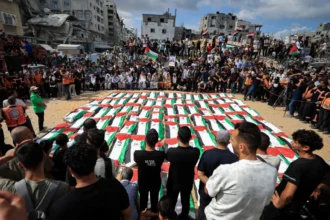
The backdrop to these international tensions is often reflected in domestic sentiments within Iran. Images from August 26, 2026, depict Iranians participating in night demonstrations against the United States in Tehran. These public displays, often fueled by official rhetoric and media narratives, underscore the deep-seated animosity and distrust between the two nations. Such demonstrations can serve as a barometer of public opinion and a tool for the Iranian government to rally domestic support.
The U.S. Treasury’s "Operation Economic Outcast" was specifically designed to isolate Iran financially, and the subsequent retaliatory promises from Tehran highlight the reciprocal nature of this economic warfare. The impact of these sanctions and counter-sanctions extends beyond government policy, affecting the daily lives of Iranian citizens through inflation, unemployment, and limited access to goods and services.
Geopolitical Implications and Regional Stability
The heightened tensions between the U.S. and Iran have significant implications for the broader Middle East. The region is already a complex mosaic of alliances, rivalries, and ongoing conflicts. Any escalation of direct or indirect confrontation between the two powers risks drawing in regional actors and further destabilizing an already volatile environment.
The U.S. military presence in the region, including naval forces, plays a critical role in deterring aggression and ensuring freedom of navigation. However, the potential for miscalculation or unintended escalation remains a constant concern. The involvement of proxy groups further complicates the landscape, making attribution of attacks difficult and increasing the risk of wider regional conflict.
The Path Forward: Diplomacy or Deterrence?
The U.S. stance, as articulated by Senator Vance, suggests a strategy that balances diplomatic engagement with robust deterrence. The insistence on talks only after the cessation of maritime attacks indicates a belief that Iran must demonstrate a willingness to de-escalate before substantive negotiations can occur. This approach prioritizes a show of strength and resolve as a prerequisite for dialogue.
However, the inclusion of military pressure as a distinct option raises questions about the potential for diplomatic solutions. While deterrence is a key element of foreign policy, the effective use of military options requires careful consideration of risks, costs, and potential unintended consequences. The coming weeks and months will likely reveal whether the U.S. strategy leans more towards de-escalation through pressure or towards a more direct confrontation. The global community will be watching closely as these dynamics unfold, with significant implications for regional security and international trade.