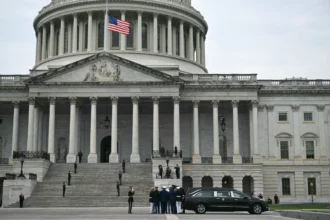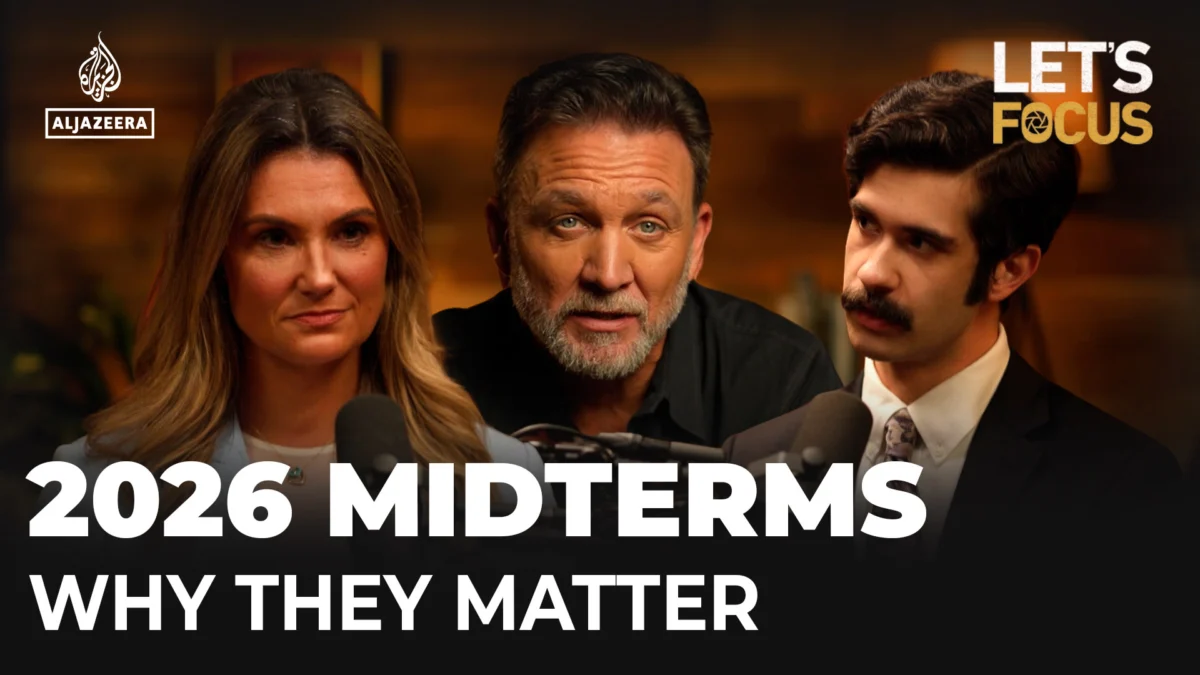
These upcoming midterm elections are shaping up to be a critical juncture, holding significant implications for the future direction of the United States, as conversations among prominent journalists and political commentators highlight the complex tapestry of issues influencing voter sentiment and the broader political landscape. The confluence of economic anxieties, evolving foreign policy challenges, persistent immigration debates, the rapid ascent of artificial intelligence, and a dramatically altered media environment are all converging to make this electoral cycle particularly consequential. These factors are not merely influencing individual voter choices but are also exacerbating existing divisions within both the Democratic and Republican parties, forcing a reevaluation of what the electorate expects from Washington.
The midterm elections, historically a referendum on the incumbent president’s performance, are taking on an amplified significance this cycle due to a confluence of domestic and international pressures. Unlike presidential elections, which tend to be nationalized around a single candidate, midterms often focus on a broader spectrum of issues that directly impact the daily lives of Americans. This year, the economic outlook, characterized by inflation and concerns about a potential recession, remains a dominant theme. Voters are keenly observing how policymakers are addressing these financial pressures, with the cost of living and job security at the forefront of their minds.
Beyond the immediate economic concerns, the international arena presents a complex backdrop. Ongoing global conflicts and shifting geopolitical alliances are prompting voters to consider the nation’s role in the world and the effectiveness of its foreign policy strategies. Issues such as national security, international trade, and the management of diplomatic relations are resonating with a public increasingly aware of interconnected global challenges. The perceived stability and strength of the U.S. on the world stage are often tied to perceptions of domestic political unity and effectiveness.
Immigration continues to be a deeply divisive and persistent issue, fueling intense debate across the political spectrum. The complexities of border security, the pathways to citizenship, and the integration of immigrants into society are subjects that evoke strong emotions and differing policy proposals. This issue often intersects with economic concerns, with arguments made about the impact of immigration on labor markets and public services. The political discourse surrounding immigration is frequently characterized by stark contrasts, reflecting fundamental disagreements about national identity and humanitarian responsibilities.
The rapid advancement and integration of artificial intelligence (AI) into various sectors of society are emerging as a significant new factor in the political conversation. While AI promises innovation and efficiency, it also raises profound questions about job displacement, data privacy, ethical considerations, and national security. Lawmakers are grappling with how to regulate this nascent technology, and voters are beginning to understand its potential impact on their livelihoods and the future of work. This emerging issue adds a layer of technological futurism to the traditional political debates.
Compounding these substantive issues is the dramatic transformation of the media landscape. The proliferation of digital platforms, social media, and the rise of partisan news outlets have fundamentally altered how information is disseminated and consumed. This fragmentation of media can lead to echo chambers and the spread of misinformation, making it challenging for voters to access objective information and form well-rounded opinions. The way political narratives are constructed and disseminated, and the trust voters place in different media sources, are critical elements influencing the electoral outcome.
The internal dynamics within both major political parties are also a significant aspect of the current political climate. The Democratic Party faces challenges in unifying its progressive and moderate wings, while the Republican Party navigates its own internal tensions between traditional conservatism and populist movements. These intra-party divisions can lead to policy gridlock and can influence the types of candidates who emerge and the messages they convey to voters. The ability of each party to present a cohesive vision is being tested.
Within this intricate web of issues, voters are articulating clear expectations from Washington. There is a palpable desire for pragmatic solutions to pressing problems, a reduction in partisan animosity, and a renewed sense of governmental effectiveness. Many Americans express frustration with the perceived inability of elected officials to address their concerns in a meaningful way, leading to a demand for leaders who can bridge divides and deliver tangible results. The search for common ground and effective governance is a recurring theme in public discourse.
The pivotal nature of these midterms stems from their potential to recalibrate the balance of power in Washington and set the stage for future political contests. Control of Congress, particularly the Senate and the House of Representatives, directly impacts the legislative agenda, the confirmation of judicial appointments, and the oversight of executive branch actions. A significant shift in power could lead to a dramatic change in policy priorities and the overall trajectory of the nation.
For instance, a Republican takeover of Congress could lead to a rollback of certain Biden administration policies, increased scrutiny of executive actions, and potentially an impeachment inquiry into administration officials. Conversely, a Democratic hold on power would likely allow for the continuation and expansion of existing legislative initiatives, though potentially with increased difficulty in achieving bipartisan consensus. The margin of victory in key races will also determine the extent of any mandate for the winning party.
The economic fallout from global events, such as the war in Ukraine and supply chain disruptions, has directly impacted inflation rates and consumer confidence, making economic management a paramount concern for voters. Decisions made in Congress regarding fiscal policy, taxation, and government spending will have immediate and long-term consequences for household budgets and business investments. The debate over how to foster sustainable economic growth while managing inflation is a central tenet of campaign platforms.
In the realm of foreign policy, the United States’ commitment to international alliances and its approach to global adversaries are under renewed scrutiny. The efficacy of current diplomatic strategies, the allocation of resources for defense, and the nation’s role in resolving international conflicts are all subjects of intense debate. Voters are weighing the costs and benefits of various foreign policy approaches, with implications for national security and global stability.
The immigration debate is not solely confined to border security; it also encompasses discussions about workforce needs, humanitarian concerns, and the integration of newcomers into American society. Policy proposals range from increased border enforcement to pathways for legal immigration and reforms to the asylum system. The human element of immigration, including the stories of individuals and families seeking a better life, often intersects with the more abstract policy debates.
The burgeoning field of artificial intelligence presents a unique set of challenges and opportunities. Policymakers are tasked with fostering innovation while mitigating potential risks associated with AI’s development and deployment. This includes addressing concerns about job displacement, the ethical use of AI in surveillance and decision-making, and the potential for AI to exacerbate existing societal inequalities. The long-term implications of AI for the economy and society are a growing focus of public and political attention.
The evolution of the media landscape has had a profound impact on political discourse. The rise of social media has democratized information but has also created fertile ground for the spread of disinformation and propaganda. Voters are increasingly reliant on a fragmented media environment, leading to a polarization of viewpoints and a decline in trust in traditional news sources. The way campaigns utilize digital platforms and the strategies employed to counter misinformation are critical factors in this electoral cycle.
The internal divisions within the Democratic Party often revolve around the pace of progressive policy implementation and the balance between social justice initiatives and economic pragmatism. The Republican Party, meanwhile, is grappling with its identity, with debates between fiscal conservatives, social conservatives, and the ascendant populist wing. These internal dynamics influence party platforms, candidate selection, and the ability to forge bipartisan consensus.
Ultimately, what voters are looking for from Washington is a sense of stability, security, and effective governance. There is a widespread desire for leaders who can move beyond partisan bickering and deliver practical solutions to the challenges facing the nation. The expectations placed upon elected officials are high, with a demand for accountability, transparency, and a commitment to serving the public interest. This sentiment is a powerful undercurrent shaping the choices voters will make.
The outcome of these pivotal midterms will not only determine the immediate legislative agenda but will also shape the political landscape for years to come. It will influence the strategies of both major parties, the types of candidates who emerge in future elections, and the broader national conversation about the country’s direction. The decisions made by voters will have a tangible impact on their lives, their communities, and the nation’s standing in the world. The stakes are undeniably high, making this electoral cycle a moment of profound consequence for the United States.