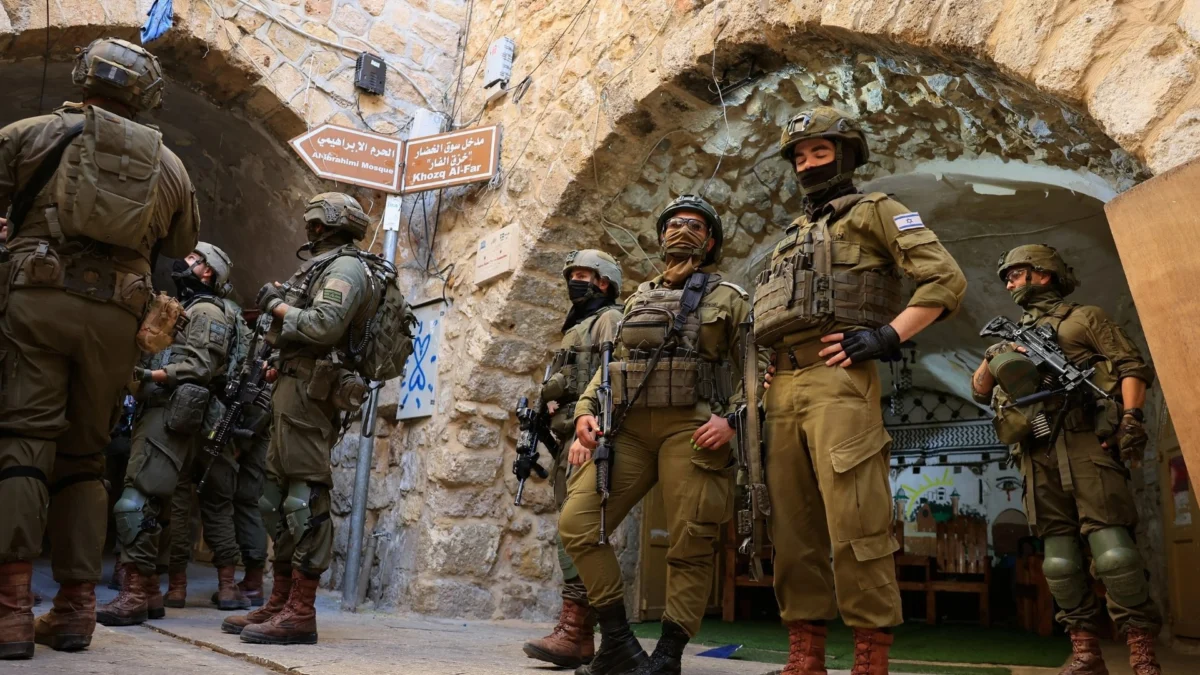
Israeli forces have intensified their operations across the occupied West Bank, launching frequent raids into Palestinian towns and villages, while the Israeli government concurrently accelerates the expansion of illegal settlements and outposts. This surge in military activity coincides with a marked increase in attacks by Israeli settlers against Palestinians, a pattern of escalating tensions that observers link to upcoming Israeli general elections and Prime Minister Benjamin Netanyahu’s political calculus.
Escalating Violence in the Occupied West Bank
The recent surge in Israeli military incursions into the occupied West Bank marks a significant escalation in a long-standing conflict. These operations, characterized by widespread raids and arrests, have become a daily reality for many Palestinian communities. The Israeli military asserts these actions are necessary for security, aiming to dismantle what it describes as militant infrastructure and apprehend individuals involved in attacks against Israelis.
However, human rights organizations and Palestinian officials contend that these raids often disproportionately affect civilian populations, leading to widespread fear and disruption. Reports from the ground detail instances of property damage, arbitrary detentions, and excessive force used by Israeli soldiers during these operations, contributing to a climate of insecurity and instability.
Settlement Expansion and International Law
Concurrently, the Israeli government has expedited the approval and construction of new housing units within existing settlements and the establishment of previously unrecognized outposts in the occupied West Bank. This accelerated settlement expansion is a contentious issue, widely condemned by the international community as a violation of international law, specifically the Fourth Geneva Convention, which prohibits an occupying power from transferring its own civilian population into the occupied territory.
The expansion of settlements is seen by Palestinians and many international observers as a deliberate effort to fragment Palestinian territories, undermine the viability of a future Palestinian state, and alter the demographic landscape of the West Bank. This policy directly conflicts with international consensus and numerous United Nations resolutions calling for an end to settlement activity.
Intensified Settler Violence
Adding another layer to the volatile situation, Israeli settlers have reportedly escalated their attacks on Palestinians. These incidents range from vandalism of Palestinian property, including olive groves and vehicles, to physical assaults and confrontations. Palestinian sources and human rights groups document a significant rise in settler-led violence, often occurring with perceived impunity, further exacerbating the suffering and insecurity of Palestinian residents.
The Israeli government’s response to settler violence has been criticized as insufficient, with many arguing that a lack of accountability emboldens perpetrators. This dynamic creates a cycle of retaliation and reprisal, contributing to a deteriorating security environment for both Palestinians and, at times, Israeli forces operating in the area.
Political Undercurrents: Elections and Netanyahu’s Strategy
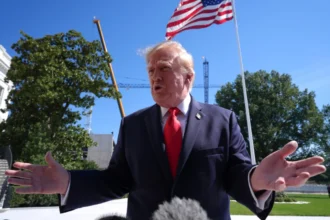
The timing of this intensified crackdown and settlement expansion is drawing significant attention, occurring just three months before Israel’s general elections. Opinion polls suggest Prime Minister Benjamin Netanyahu and his Likud party could face a significant challenge, potentially losing power. In this context, analysts point to the government’s actions as a strategic maneuver to shore up support among its right-wing base, a demographic that often favors assertive security policies and continued settlement growth.
For Netanyahu, a strong stance on security and a commitment to Israeli sovereignty in the West Bank, including the controversial settlements, are key tenets that resonate with his core supporters. The acceleration of settlement building and robust military operations can be interpreted as a way to energize these voters and project an image of strength and unwavering national interest. This political dimension adds a complex layer to the ongoing conflict, suggesting that domestic electoral considerations may be heavily influencing policy decisions on the ground.
Guest Perspectives on the Crisis
The intricate dynamics of the Israeli crackdown in the occupied West Bank have been a subject of discussion among experts with deep knowledge of the region’s politics and human rights landscape.
Alon Pinkas, a former Israeli ambassador and consul general in New York, has often commented on the interplay between Israeli domestic politics and foreign policy. His analyses tend to highlight how electoral pressures can shape governmental actions, particularly concerning the Palestinian territories. Pinkas has previously discussed how hardline policies, including settlement expansion and security operations, can serve to rally nationalist sentiment and appeal to a significant portion of the Israeli electorate. His insights often focus on the strategic calculations made by Israeli leaders to maintain their political standing.
Sari Bashi, a human rights lawyer and executive director of the Public Committee Against Torture in Israel, brings a critical perspective on the legal and humanitarian implications of Israeli actions. Bashi’s work frequently focuses on documenting abuses and advocating for accountability under international law. She has consistently raised concerns about the impact of military operations and settler violence on Palestinian civilians, emphasizing the erosion of human rights and the perpetuation of a system of occupation. Her perspective underscores the disproportionate suffering inflicted upon Palestinians and the need for adherence to international humanitarian law.
Mairav Zonszein, a senior analyst at the International Crisis Group with a focus on Israel and Palestine, provides broader geopolitical context. Zonszein’s expertise lies in understanding the complex web of political, security, and social factors driving the conflict. She often analyzes how internal Israeli political dynamics, such as coalition agreements and the influence of far-right parties, directly impact policies in the West Bank. Her assessments frequently explore the long-term consequences of these actions for regional stability and the prospects for a peaceful resolution.
The Broader Implications of the Crackdown
The intensified Israeli military operations and settlement expansion in the occupied West Bank have profound and far-reaching consequences, extending beyond the immediate security concerns. These actions have a direct impact on the daily lives of Palestinians, fostering an environment of fear, displacement, and economic hardship. The fragmentation of Palestinian land through settlement growth further hinders the development of a contiguous and sovereign Palestinian state, a cornerstone of the two-state solution widely supported by the international community.
Moreover, the acceleration of settlement activity and the perceived lack of accountability for settler violence contribute to a climate of impunity. This not only undermines Palestinian rights but also erodes the rule of law and creates a breeding ground for further conflict and resentment. International legal bodies and human rights organizations have consistently called for an end to settlement construction and for measures to protect Palestinian civilians from settler aggression.
Impact on the Public and International Relations
The ongoing situation in the occupied West Bank has a significant impact on the Palestinian population, who endure the brunt of military raids, settler violence, and the restrictions imposed by the occupation. The psychological toll of constant insecurity, coupled with the physical destruction of homes and livelihoods, creates a cycle of trauma and despair. For Israelis, the conflict shapes national security discourse and contributes to a sense of perpetual tension, with varying perspectives on the necessity and effectiveness of the government’s policies.
Internationally, the intensified crackdown and settlement expansion continue to strain relations between Israel and many of its global partners, particularly those who advocate for a two-state solution and adherence to international law. The United States, a key ally of Israel, faces a delicate balancing act, seeking to support Israel’s security while also upholding its commitment to international norms and the pursuit of peace. The escalating violence and continued settlement growth pose a persistent challenge to diplomatic efforts aimed at de-escalating tensions and fostering a conducive environment for meaningful negotiations.
Reactions and Future Trajectories
The surge in Israeli activity in the occupied West Bank has elicited a range of reactions from various stakeholders. Palestinian leadership has vehemently condemned the intensified raids and settlement expansion, urging international intervention to halt what they describe as a systematic violation of their rights and a deliberate attempt to annex Palestinian territories. They have also called for greater accountability for settler violence.
Human rights organizations have amplified their calls for international pressure on the Israeli government to cease settlement construction and to ensure the protection of Palestinian civilians. They continue to document abuses and advocate for legal remedies and accountability mechanisms.
On the international stage, the European Union and individual member states have reiterated their opposition to settlement expansion, often reaffirming their commitment to a two-state solution based on pre-1967 borders. The United Nations has also voiced its concerns, with various bodies issuing statements and reports highlighting the deteriorating situation and urging adherence to international law.
Looking ahead, the trajectory of the conflict remains deeply uncertain. The interplay of domestic political pressures within Israel, the ongoing security challenges, and the broader geopolitical landscape will continue to shape events on the ground. The international community’s ability to exert meaningful influence and to foster a renewed commitment to a just and lasting peace will be critical in determining whether the cycle of violence and occupation can be broken. The actions taken in the coming months, particularly in the shadow of upcoming elections, are likely to have significant implications for the future of the occupied West Bank and the prospects for regional stability.