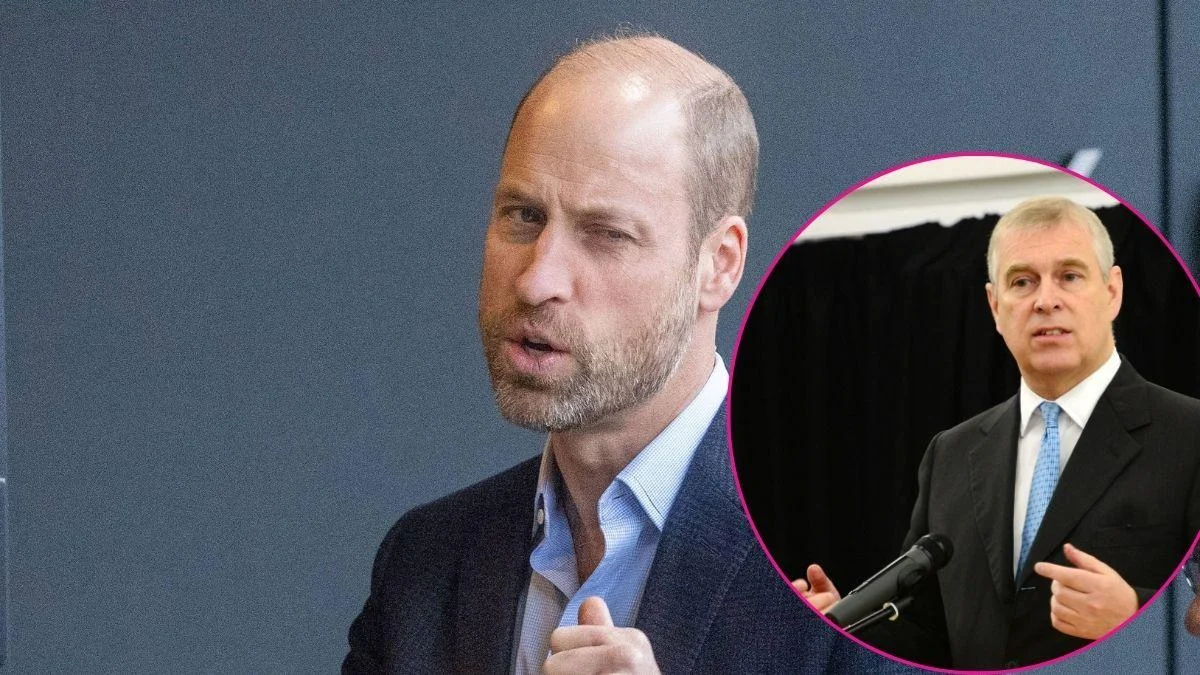
Prince William is reportedly consumed by an "incandescent rage" over the enduring fallout from his uncle Prince Andrew’s association with convicted sex offender Jeffrey Epstein, a scandal that continues to cast a long shadow over the British monarchy. This profound frustration is fueling William’s determination to enact a "slimmed-down monarchy" when he ascends to the throne, a reform that sources suggest could significantly alter the royal standing of his cousins, Princesses Beatrice and Eugenie. The future king views the ongoing controversy as a persistent threat to the institution’s credibility and public trust, reinforcing his belief that radical changes are necessary for the monarchy’s long-term survival and relevance.
The Lingering Shadow of the Epstein Scandal
The controversy surrounding Prince Andrew, Duke of York, began to intensify with revelations of his friendship with Jeffrey Epstein, a financier convicted of sex offenses. Despite Andrew’s repeated denials of wrongdoing and claims of innocence, his televised interview with BBC Newsnight in November 2019 proved disastrous, widely criticized for its lack of empathy and evasiveness. The interview, intended to clear his name, instead exacerbated public outrage and intensified scrutiny. Subsequently, a civil lawsuit filed by Virginia Giuffre, who alleged she was trafficked by Epstein and forced to have sex with Andrew when she was underage, further engulfed the Duke in legal battles. While Andrew settled the lawsuit out of court for an undisclosed sum, he consistently maintained his innocence.
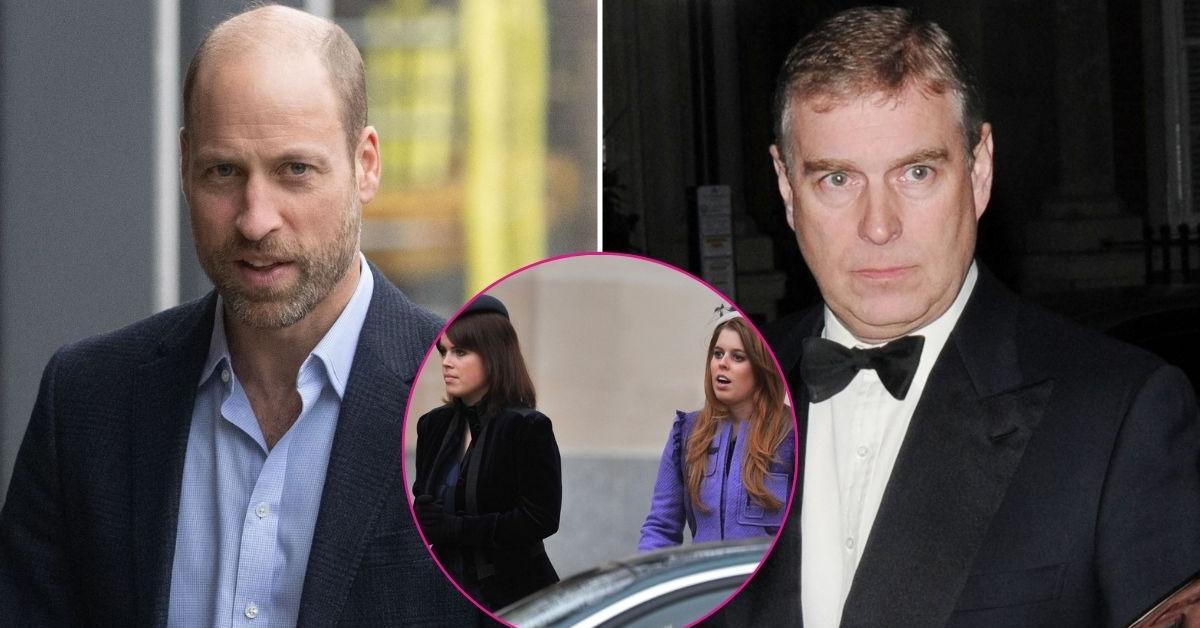
The financial and reputational cost to the Royal Family has been immense. Prince Andrew was stripped of his military titles and royal patronages by Queen Elizabeth II in January 2022, effectively removing him from public life as a working royal. Despite these measures, the "Andrew saga," as it is often referred to by palace insiders, has shown a persistent tendency to resurface, particularly with new developments related to Epstein’s wider network or the unsealing of court documents. Each resurgence reignites public discussion, pulling the monarchy back into a defensive posture and diverting attention from the work of its active members.
Prince William’s Vision for a Modern Monarchy
As the heir apparent, Prince William carries the weight of the monarchy’s future on his shoulders. Sources close to the Prince of Wales indicate his exasperation has grown with the scandal’s prolonged impact, perceiving it as an obstacle to the institution’s necessary evolution. He is acutely aware of how quickly public confidence can erode when controversies dominate headlines, viewing the monarchy’s credibility as one of its most valuable assets. William is reportedly committed to safeguarding this asset, even if it necessitates making what he calls "firm and possibly uncomfortable decisions."
His vision for the monarchy is centered on a streamlined, more efficient model. This involves a smaller core group of senior royals who undertake the bulk of official duties and public engagements. This approach, William believes, would make the monarchy more focused, economically viable, and ultimately more in step with modern expectations and public sentiment. The continuing fallout from Prince Andrew’s actions has only strengthened this conviction, serving as a stark reminder of the perils of unchecked scandal and the imperative for the institution to adapt.

King Charles’s Precedent and William’s Future Authority
King Charles III, who ascended to the throne in September 2022, has already taken significant steps towards a "slimmed-down monarchy," reflecting a long-held personal belief. His decision to evict Prince Andrew from Royal Lodge, a grace-and-favor residence, and his earlier actions to strip Andrew of his official roles underscore a commitment to distancing the Crown from its disgraced member. Charles’s actions have established a precedent, demonstrating a willingness to make difficult choices for the benefit of the institution.
While Prince William’s ability to act decisively is currently constrained by his father’s ultimate authority, his influence within palace circles is growing. He is understood to be a strong advocate for these reforms and is actively involved in discussions about the monarchy’s future structure. When he eventually becomes king, he will possess the full constitutional power to implement his vision, potentially leading to a more formal redefinition of who constitutes a "working royal" and the associated privileges and responsibilities.
The Uncertain Future of Princesses Beatrice and Eugenie
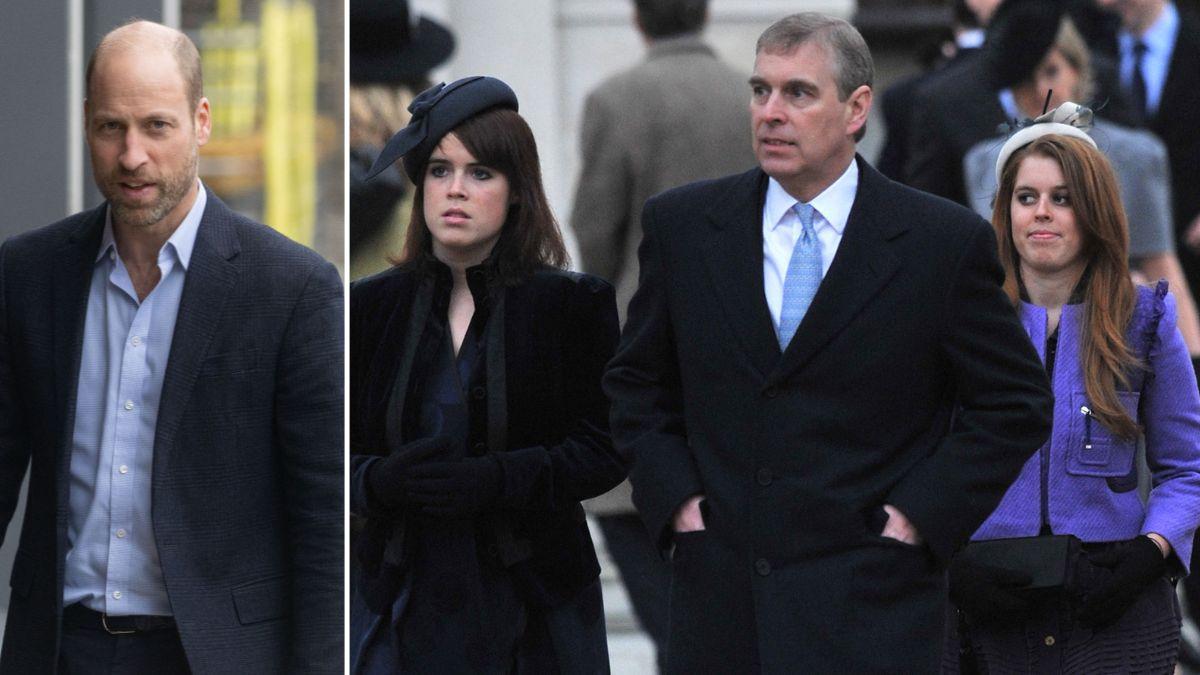
The implications of Prince William’s desired "slimmer model" extend directly to his cousins, Princesses Beatrice and Eugenie of York. As daughters of Prince Andrew, they currently hold royal titles and are members of the Royal Family, but they do not perform regular official engagements for the Crown. Both princesses have pursued their own careers in the private sector and have been described as modern royals navigating a unique position within the family structure.
Under a more tightly focused monarchy, their positions could be reconsidered. While there is no indication that William wishes to remove them entirely from the family, the concept of a "working royal circle" implies a distinction between those who actively represent the Crown in an official capacity and those who do not. This redefinition could lead to difficult conversations about the extent of their royal privileges, such as security provisions, use of royal residences, and the prominence of their titles in public life. The goal, from William’s perspective, would be to ensure that only those actively contributing to public duties are formally considered part of the "working monarchy," thereby presenting a cohesive and efficient image to the public.
Broader Implications for the Monarchy’s Public Image
The ongoing debate surrounding Prince Andrew and the broader discussions about the monarchy’s size and scope reflect deeper challenges facing the institution in the 21st century. In an era of increased public scrutiny and demands for accountability, the cost and perceived value of the monarchy are constantly under review. Scandals like Andrew’s amplify calls for greater transparency and reform, and they provide ammunition for republican movements.
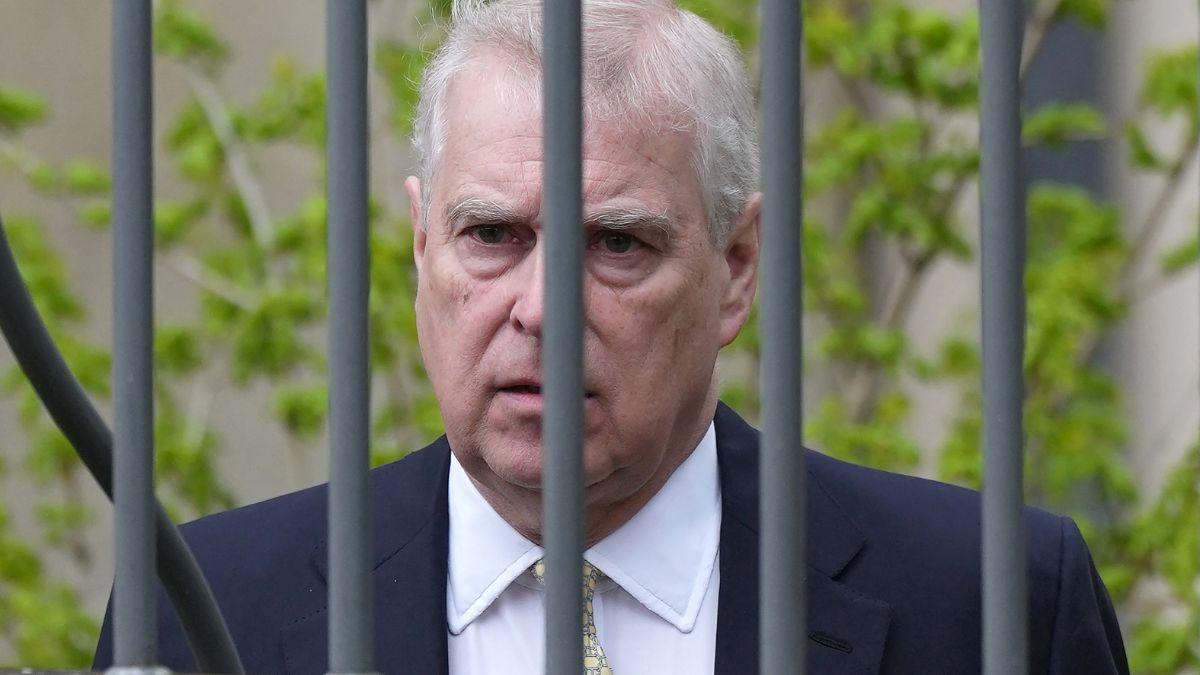
Prince William’s focus on a "slimmed-down" monarchy is an attempt to address these concerns proactively. By concentrating resources and responsibilities on a smaller, dedicated group, he aims to demonstrate the monarchy’s continued relevance and value to the nation, ensuring it operates in a way that feels sustainable and modern. This strategic shift is not merely about managing scandal but about repositioning the institution for the decades to come, hoping to secure public support and maintain its place within the constitutional framework.
Reactions and Next Steps in Royal Reform
While no immediate changes to the status of Princesses Beatrice and Eugenie are expected under King Charles’s reign, the discussions within palace circles highlight a clear direction for the future. The princesses themselves have largely maintained a dignified silence regarding their father’s situation, focusing on their families and private endeavors. However, they remain intrinsically linked to the ongoing narrative surrounding Prince Andrew.
The path forward for the monarchy will involve navigating complex family dynamics alongside institutional reform. Prince William’s "incandescent rage" is not a fleeting emotion but a deep-seated concern for the future of the Crown. His resolve suggests that when the time comes, he will be prepared to make profound decisions to ensure the monarchy can move past its lingering distractions and present a united, credible front to the world, even if those decisions have significant implications for his own family members. The ultimate goal is to safeguard the enduring legacy and public standing of the institution he is destined to lead.