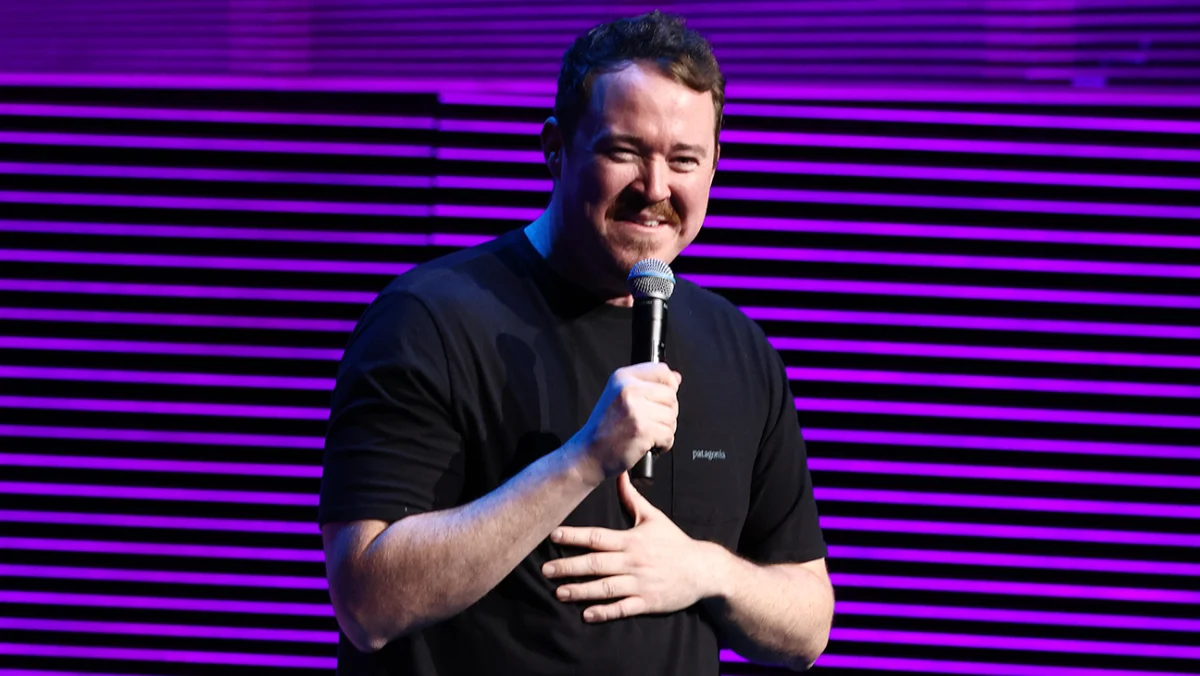
Comedian and podcaster Shane Gillis secured two new Guinness World Records on July 17, drawing an unprecedented 73,946 attendees and selling 77,047 tickets for his stand-up special at Lincoln Financial Field in Philadelphia. This landmark achievement places Gillis at the forefront of a burgeoning comedy Guinness World Records arms race, redefining the scale and ambition of live stand-up performances globally. His dual titles for "largest audience for a comedian" and "most tickets sold for a comedy show by a solo comedian" mark a significant shift in the landscape of comedic touring and audience engagement.
Gillis’s Record-Breaking Ascent
Gillis, a figure who has navigated controversy and career setbacks, particularly his brief stint and subsequent dismissal from Saturday Night Live, has leveraged a dedicated fanbase built through podcasting and consistent touring to reach unparalleled heights. His performance at Lincoln Financial Field not only filled a major NFL stadium but also created a new benchmark for solo comedy shows. The record for most tickets sold by a solo comedian was a category specifically established by Guinness World Records for this event, setting the bar at 54,000 tickets. This bespoke recognition underscores the extraordinary nature of Gillis’s accomplishment, highlighting a new era where comedians can command audiences typically reserved for major musical acts or sporting events.
The Philadelphia native’s triumph is particularly poignant given his roots in the city and the fervent support he commands there. The decision to host such a massive stand-up event in a stadium traditionally reserved for high-profile concerts or championship games represented a considerable risk for promoters, a risk that demonstrably paid off. It reflects a growing confidence in the drawing power of top-tier comedians and the evolving consumption habits of entertainment audiences, increasingly willing to flock to live, large-scale comedy events.
The Predecessor: Mario Barth’s Enduring Legacy
For nearly two decades, the Guinness World Records attendance record for a comedian was held by German comic Mario Barth. Until Gillis’s July 17 show, Barth’s performance at Berlin’s Olympiastadion on July 12, 2008, had stood unchallenged, drawing an impressive 67,733 spectators. Barth, celebrated for his rapid-fire observational humor and often dubbed the “Tattoo Artist to the Stars” due to his famous clientele, represented the pinnacle of live comedy attendance for 18 years. His achievement solidified his status as a comedic titan in Europe, demonstrating the international appeal and capacity for large-scale comedy even before the current boom.
Barth’s record was a testament to his immense popularity within Germany and beyond, showcasing the ability of a single comedian to fill iconic national venues. The scale of his 2008 show set a formidable standard, one that many in the industry believed would remain unbroken for much longer. However, the dynamics of the global entertainment industry, fueled by digital platforms and evolving fan engagement, have created new pathways for artists to cultivate massive followings capable of surpassing such long-standing records.
An Escalating Comedy Guinness World Records Arms Race
Gillis’s feat is not an isolated incident but rather the latest, and most dramatic, in a series of record updates within the live comedy space over the past two years. This period has seen a distinct acceleration in attempts to set and break various Guinness World Records, signaling an increasingly competitive environment among comedians seeking to etch their names into history. This phenomenon suggests a broader trend where comedians are not only pushing artistic boundaries but also logistical and commercial limits.
One notable example is Japanese impressionist Naomi Watanabe, who, on February 11, set the record for the most tickets sold by a female solo comedian. Her performance at the Tokyo Dome attracted 44,356 ticket holders, establishing a new benchmark for female artists in the field. Watanabe’s success underscores the global nature of this competitive streak and the growing recognition of diverse voices and talents in stand-up comedy. Her ability to fill a venue of the Tokyo Dome’s magnitude speaks volumes about her cross-cultural appeal and the burgeoning market for comedy in Asia.
The Marathon of Mirth: Endurance Records
Beyond audience size and ticket sales, another fiercely contested category in the comedy Guinness World Records arms race involves endurance: the longest solo stand-up show. This niche reflects a different kind of comedic ambition, prioritizing stamina and sustained performance over raw audience numbers.
Benny Elbows, for instance, set a formidable record for the longest solo stand-up show, performing for an astonishing 40 hours, 16 minutes, and 48 seconds in Memphis in April 2025. This remarkable display of endurance was reportedly inspired by prior group attempts, illustrating a communal drive to push the boundaries of live performance. Hot on Elbows’ heels, Nigerian comedian DeeOne embarked on his own marathon, delivering a solo gig that reportedly lasted 52 consecutive hours in Lagos. While Guinness World Records had not officially confirmed DeeOne’s attempt at the time, his ambition clearly signals the intense competition within this particular category.
The history of these marathon comedy records reveals an incremental, yet relentless, pursuit of new thresholds. In 2008, Comic Strip Live orchestrated a group effort involving hundreds of comedians, setting a 50-hour record. Just two years later, The Laugh Factory surpassed this, extending the benchmark to 80 hours straight. Not to be outdone, NashvilleStandUp.com, in a move emblematic of this competitive spirit, pushed the record to 80 hours and five minutes in 2015. These minor increases highlight the almost obsessive nature of setting and breaking such records, where even a few extra minutes can secure a place in history.
Analysis: Why Gillis’s Record Stands Apart
While the marathon records are characterized by relatively small, incremental gains, Gillis’s achievement at Lincoln Financial Field presents a different challenge altogether. His record is not merely about adding a few more minutes or a few dozen more attendees; it represents a monumental leap in scale that combines multiple, difficult-to-replicate factors. Breaking Gillis’s record for audience size or tickets sold would require a unique convergence of elements:
- Sky-High Level of Fame and Mass Appeal: A comedian attempting to surpass Gillis would need a comparable, if not greater, level of mainstream recognition and an exceptionally broad appeal that transcends niche audiences. This kind of popularity is often cultivated over many years through various media, including television, film, and increasingly, digital platforms like podcasts and streaming specials.
- Unwavering Fan Loyalty: Gillis has cultivated an incredibly loyal fanbase, often referred to as "the Gillis Army," which translates directly into ticket sales. This level of dedication encourages fans to travel and purchase tickets for large-scale events, even at stadium prices.
- Promoter Willingness for Huge Risk: Staging a solo comedy show in an NFL stadium involves immense logistical planning and a substantial financial investment. Promoters must be confident that the comedian can fill such a massive venue, representing a risk that few are willing or able to take. The economics of stadium shows are complex, with significant upfront costs for venue rental, production, security, and marketing.
- Cultural Timing and Momentum: Gillis’s rise has coincided with a period of significant growth for stand-up comedy, fueled by streaming platforms like Netflix and YouTube, which have globalized comedic talent. His record taps into this broader cultural moment where comedy is experiencing a renaissance.
Broader Implications and Cultural Impact
Shane Gillis’s Guinness World Records are more than just numbers; they signify a profound shift in the comedy industry. They demonstrate that stand-up, traditionally seen as an intimate art form performed in clubs and theaters, can now rival the drawing power of rock concerts and major sporting events. This expansion has several implications:
- Economic Impact: The ability to sell out stadiums opens new revenue streams for comedians, promoters, and venues. It elevates the commercial viability of stand-up comedy to unprecedented levels.
- Artist Trajectory: It offers a new career trajectory for comedians, where immense popularity can lead to stadium-level performances, rather than solely relying on TV specials or film roles for mainstream success.
- Global Reach: The records set by Gillis, Watanabe, and others underscore the global appeal of stand-up. Comedians are increasingly transcending national borders, building international fanbases that can support massive live events.
- The Power of Digital Platforms: Gillis’s success is inseparable from his robust presence on podcasts and social media, which allowed him to bypass traditional gatekeepers and connect directly with a vast audience. This model serves as a blueprint for future comedians.
The Reigning Stadium Champion
For the foreseeable future, Shane Gillis appears poised to remain comedy’s reigning stadium champion. His dual Guinness World Records represent a unique confluence of star power, fan devotion, and commercial daring that will be exceptionally difficult to replicate. While the comedy Guinness World Records arms race will undoubtedly continue in other categories, with comedians vying for incremental gains in endurance or niche records, Gillis’s benchmark for mass appeal and audience scale sets a standard that few can realistically challenge in the immediate term. His achievement stands as a testament to the evolving power of stand-up comedy and its capacity to captivate audiences on an epic scale, cementing his legacy in the annals of comedic history.