A comprehensive new study has revealed that a vast majority of women working within the British cultural sector believe systemic gender inequality remains a defining feature of their professional lives. The report, which surveyed dozens of industry professionals, indicates that women in the arts face significant barriers to advancement, with a particular emphasis on how ageism and the rise of artificial intelligence are creating new hurdles for experienced female talent.
According to the findings, nearly 95% of women currently working in the arts believe that gender inequality persists in the industry. Furthermore, three-quarters of those surveyed reported having experienced firsthand instances of unconscious bias or overt sexism during their careers. The data paints a stark picture of an industry that many insiders describe as being "obsessed" with youth at the expense of seasoned expertise.
The research was conducted as part of a five-year project by the advocacy group Women in the Arts. The project operates in collaboration with several major industry bodies, including the Writers’ Guild of Great Britain, Equity, the Women of the World (WOW) Foundation, Sphinx Theatre, and the Women in Theatre Lab. The initiative is funded by Arts Council England and aims to provide a data-driven foundation for a new taskforce dedicated to addressing the needs of women in the cultural workforce.
The Intersectional Challenge of Gender and Age
One of the most significant findings in the report is the profound impact of age on career longevity for women. Approximately 69% of all respondents felt that their age negatively affected their career success. However, when the data was filtered to focus specifically on those in artistic roles—such as actors, directors, and writers—that figure rose to a staggering 100%.
Participants in the study described an industry culture that prioritizes "young and emerging" talent while offering fewer opportunities for those who have reached mid-career or beyond. This "youth-centric" focus often leads to a sharp decline in opportunities for women once they reach their late 30s. One respondent noted that casting opportunities for women appear to "drop off at 39," a phenomenon rarely mirrored by their male counterparts.
The report highlights a persistent double standard regarding how aging is perceived on stage and screen. Performers noted that younger actresses are frequently cast to play opposite significantly older men, even when the characters are intended to be the same age. This practice not only limits roles for older women but also reinforces societal biases regarding female attractiveness and utility.
Technological Barriers and the Role of Artificial Intelligence
In a modern twist on traditional discrimination, the report identifies the growing use of artificial intelligence in recruitment as a significant threat to gender parity. Experts suggest that AI-driven hiring tools can inadvertently penalize women for taking career breaks, which are often necessary for childcare or other caregiving responsibilities.
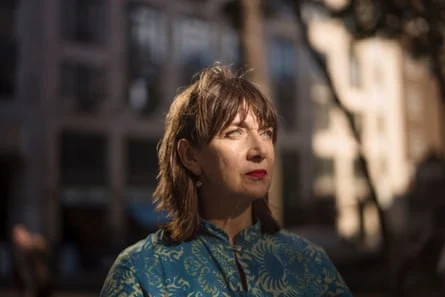
Dr. Jennifer Tuckett, chief executive of Women in the Arts and the author of the report, expressed deep concern over these technological developments. She noted that while researchers are only beginning to understand the full scope of algorithmic bias, early evidence suggests that older women are particularly vulnerable. Recruitment software often relies on historical data that reflects past biases, thereby reinforcing a cycle of exclusion.
The report calls for urgent "algorithmic audits" to ensure that the tools used by major production houses and arts organizations do not further marginalize women. Without intervention, advocates fear that the automation of the hiring process could undo decades of progress made toward workforce diversity.
Industry Voices and the Loss of Seasoned Talent
The human cost of these systemic issues is reflected in the testimonies of veteran performers. Maureen Beattie, a prominent theater and television actor known for her work in Casualty and with the Royal Shakespeare Company, spoke out about the "waste of great talent" currently occurring in the industry. Beattie, who recently played the title role in King Lear at age 72, described herself as one of the "lucky ones" who managed to navigate the industry’s pitfalls.

Beattie emphasized that the industry is losing out on the "life knowledge and technical skill" that only experienced women can provide. She called for a shift in how the industry defines value, moving away from a fixation on "freshness" and toward an appreciation for "meaty roles" that reflect the complexity of the female experience in later life.
Another respondent echoed this sentiment, criticizing the industry’s vocabulary. The constant use of terms like "young and emerging" creates a subtext where anything that isn’t new is viewed as "mouldy," she said. This culture extends to writers’ schemes and marketing roles, where there is a prevalent but unfounded belief that only younger professionals possess a true understanding of the digital landscape.
Comparative Policy and Proposed Solutions
The report does not merely document grievances; it proposes a series of structural reforms aimed at leveling the playing field. One primary recommendation is the implementation of representation targets. The report suggests that the UK could look to Australia as a model, where certain funding applications require organizations to meet specific diversity and gender representation quotas.
In addition to quotas, the report advocates for:
- Increased funding specifically targeted at addressing gender discrimination.
- The development of leadership programs for women in mid-to-late career stages.
- Mandatory bias training for casting directors and hiring managers.
- Greater transparency in how AI tools are used to screen applicants for creative roles.
An Arts Council England spokesperson confirmed that the findings would be used to inform a taskforce designed to identify "good practice and interventions." This group will look closely at the "glass ceilings" that prevent women from reaching executive positions, as well as the impact of harassment and the lack of flexible working arrangements for those with caring responsibilities.
Political Momentum and Next Steps
The research is set to have a significant impact beyond the arts community. On October 12, the findings will be formally presented to government ministers as part of a strategic campaign to establish an All-Party Parliamentary Group (APPG) on Women in the Arts. This move is intended to ensure that the issues of gender and age discrimination remain on the legislative agenda.
Advocates argue that the "normalisation" of sexism and ageism in the arts is a reflection of broader societal trends. They point to recent statements from government officials, such as Equalities Minister Bridget Phillipson, who has suggested that discrimination remains a persistent challenge across various sectors of British life. By addressing these issues in the arts—a highly visible and influential industry—proponents hope to spark a wider conversation about workforce equity.
The push for a parliamentary group signals a shift from internal industry advocacy to a demand for public policy changes. Supporters believe that without government oversight and legislative pressure, the cultural sector may remain stuck in a cycle of "tokenistic" diversity initiatives that fail to address the root causes of female exclusion.
The Economic and Cultural Stakes
The broader implications of the report suggest that the UK arts industry may be facing an economic and creative stagnation if it continues to alienate older women. As the population ages, audiences are increasingly looking for stories that reflect their own lived experiences. The failure to commission stories by and about older women represents a missed market opportunity and a narrowing of the cultural canon.
Industry analysts suggest that the "brain drain" of experienced female writers, directors, and performers could lead to a decline in the quality of British creative exports. The UK has long prided itself on its world-class theater and film industries, but the report warns that this reputation is at risk if the sector remains a "closed shop" for anyone over the age of 40 who does not fit a specific demographic profile.
The findings of the Women in the Arts report serve as a call to action for stakeholders across the cultural landscape. From the halls of Parliament to the casting offices of the West End, the pressure is mounting to move beyond rhetoric and implement the systemic changes necessary to ensure that "equal opportunity" becomes a reality rather than a slogan.