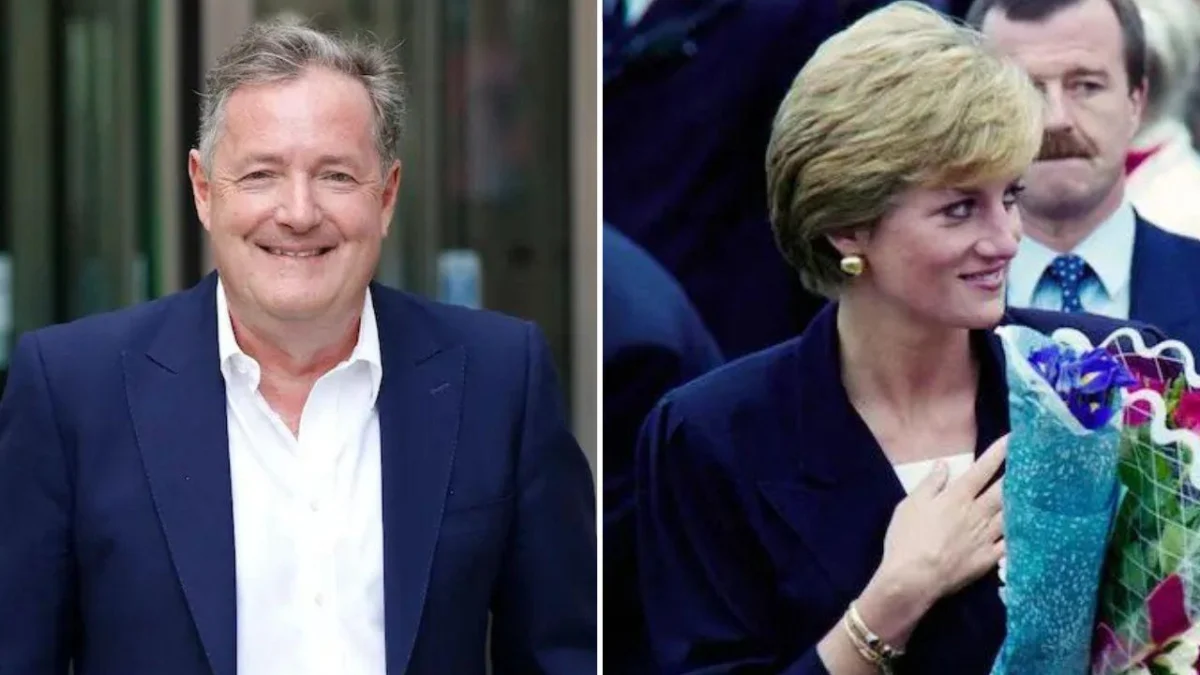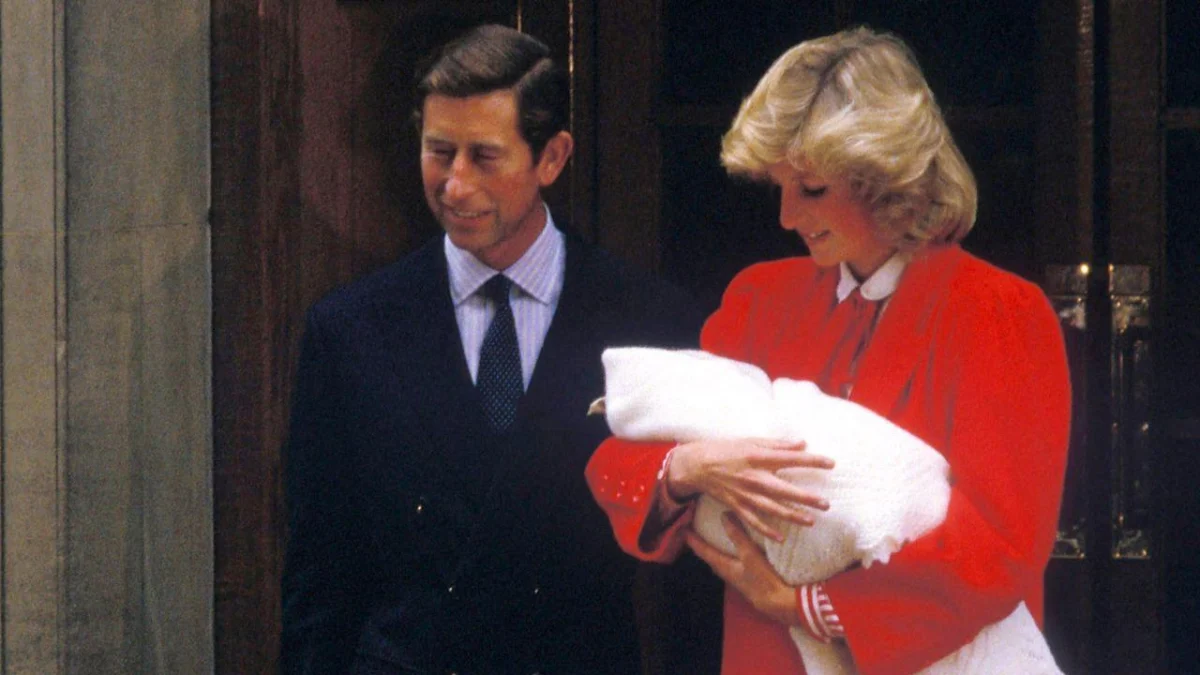
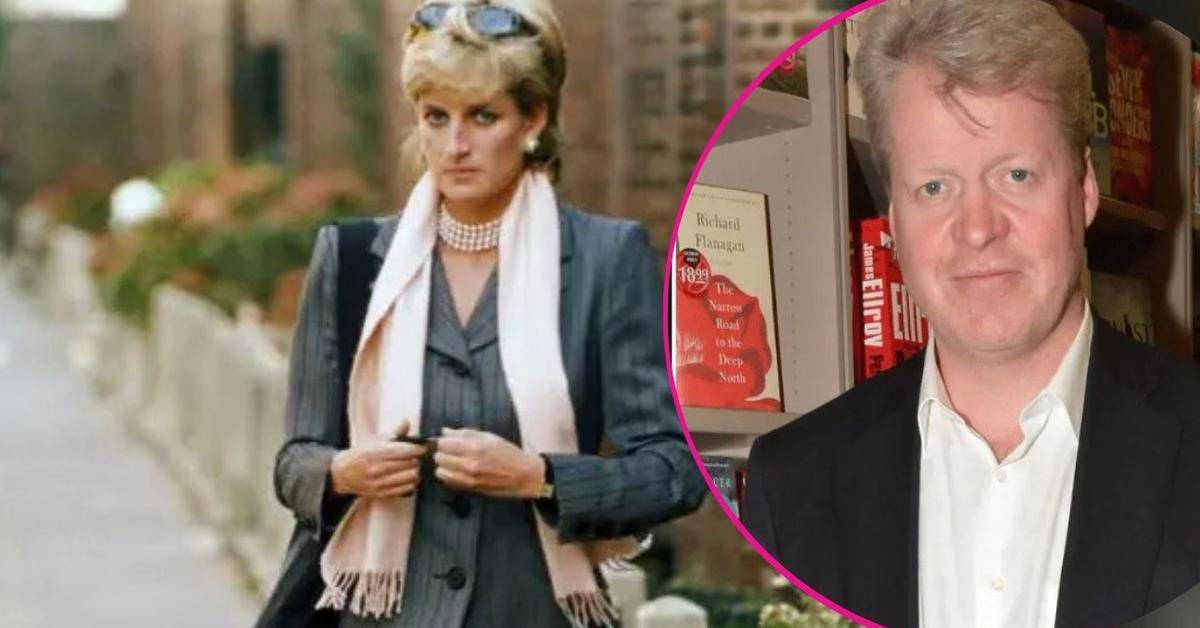
Earl Charles Spencer, brother to the late Diana, Princess of Wales, recently revealed the initial, misleading reports he received regarding the tragic car accident that claimed his sister’s life in Paris in August 1997. He stated that he was first informed the collision was not severe, a stark contrast to the devastating reality that unfolded hours later. This new detail offers a poignant glimpse into the immediate aftermath of a global tragedy from the perspective of a grieving family member.
The revelation underscores the chaotic and rapidly evolving flow of information surrounding one of the 20th century’s most shocking events. Spencer, who was on vacation in South Africa at the time, received a middle-of-the-night call from his sister, Lady Jane Fellowes, informing him of Diana’s involvement in a car crash. The initial message conveyed a sense of minor injury, suggesting the Princess of Wales had been in a collision that was "not too serious." This early report would soon give way to a harrowing progression of updates, culminating in the news of her death.
The Tragic Events of August 1997
On August 31, 1997, the world awoke to the shocking news of Princess Diana’s death following a high-speed car crash in Paris. The incident occurred as Diana, her partner Dodi Fayed, and their driver Henri Paul attempted to evade paparazzi photographers through the Pont de l’Alma tunnel. The vehicle, a Mercedes-Benz S280, collided violently with the 13th pillar of the tunnel.
The crash instantly claimed the lives of Dodi Fayed and Henri Paul, who was later found to have been driving under the influence of alcohol and prescription drugs. Princess Diana, critically injured, was extricated from the wreckage and rushed to Pitié-Salpêtrière Hospital. Despite the intensive efforts of medical professionals, including cardiac massage and electric shocks, Diana succumbed to her injuries hours later, primarily due to severe internal bleeding and extensive trauma. Her passing marked a profound moment of collective grief and disbelief across the globe.
A Family’s Evolving Nightmare
Charles Spencer’s account details the agonizing hours as the initial, understated news transformed into an unimaginable horror. He recounted receiving increasingly distressing calls from Lady Jane Fellowes, each update more severe than the last. What began as a "little prang" escalated to reports of a broken leg, then a potential head injury, before the final, devastating confirmation: "I’m afraid she’s died." This progression of information highlights the rapid deterioration of Diana’s condition and the difficult task her family faced in comprehending the unfolding disaster from afar.
The delay and evolving nature of the information received by her brother illustrate the chaos and confusion that often accompany major, unexpected tragedies, particularly when high-profile individuals are involved. It painted a picture of a family desperately trying to grasp the reality of the situation, only to be fed a piecemeal, and ultimately inaccurate, narrative until the final, undeniable truth emerged. The emotional toll of such a staggered and misleading disclosure would undoubtedly have amplified the shock and grief for her loved ones.

The Immediate Aftermath and Global Mourning
Princess Diana’s death triggered an unprecedented outpouring of public grief and mourning worldwide. Millions converged on Buckingham Palace and Kensington Palace in London, laying mountains of flowers, cards, and tributes. Her status as the "People’s Princess," earned through her extensive humanitarian work, her candid approach to royal life, and her undeniable charisma, resonated deeply with ordinary people across social strata.
The global media descended upon London and Paris, documenting every aspect of the tragedy and the public’s reaction. The funeral, held at Westminster Abbey, was watched by an estimated 2.5 billion people globally, making it one of the most-viewed televised events in history. Charles Spencer delivered a powerful eulogy at the funeral, famously vowing that his sister’s "blood family" would continue to nurture her sons, Princes William and Harry, in her spirit, free from the perceived constraints and pressures of the royal establishment and the media.
Official Inquiries and Dismissal of Conspiracy Theories
In the wake of Diana’s death, both French and British authorities launched extensive investigations into the circumstances of the crash. The French judicial inquiry concluded in 1999 that Henri Paul, the driver, was solely responsible for the crash due to his high speed and intoxicated state. A subsequent British inquest, Operation Paget, which lasted several years and examined numerous conspiracy theories, delivered its verdict in 2008.
The British jury ruled that Diana and Dodi Fayed were unlawfully killed due to the negligent driving of Henri Paul and the paparazzi vehicles pursuing them. The inquest unequivocally dismissed claims of a conspiracy by the royal family or British intelligence services to assassinate Diana. It also found no credible evidence for other widespread theories, such as Diana being pregnant with Dodi Fayed’s child or a blinding flash of light causing the crash. These findings aimed to provide definitive answers and quell rampant speculation, though for many, lingering doubts persisted.
Charles Spencer’s Firm Stance Against Conspiracy
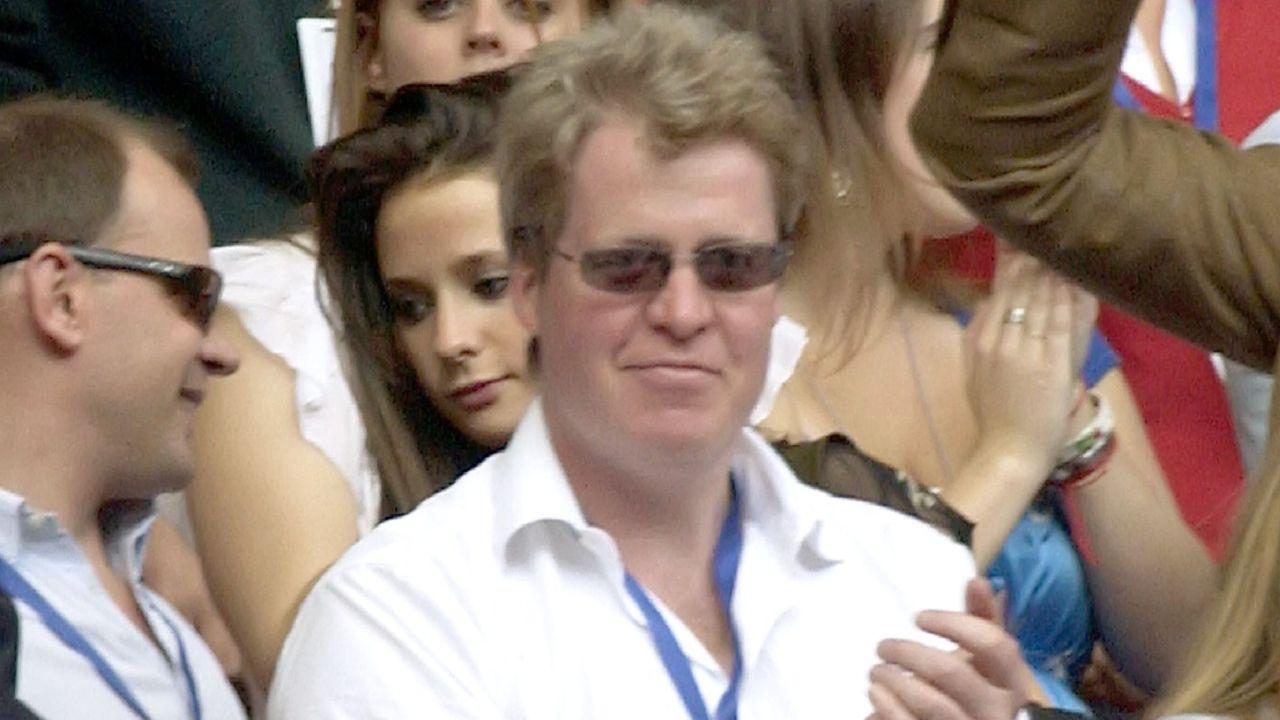
Despite the enduring nature of conspiracy theories surrounding his sister’s death, Charles Spencer has consistently maintained his belief in the official explanations. In recent comments, he reiterated his rejection of any conspiratorial narrative, stating, "I’ve never believed in the conspiracy theory." He argued that if someone were to conspire to kill a high-profile figure like Diana, it would not be executed in such a haphazard manner.
Spencer further elaborated on his reasoning, pointing out that "nobody planned for Diana to go through that tunnel that night." He characterized the tragic outcome as "purely a coincidence," rather than a premeditated act. His steadfast position, coming from a direct family member who has grieved publicly for decades, carries significant weight and serves as a powerful counter-narrative to the persistent speculation that has surrounded Diana’s passing for over a quarter-century.
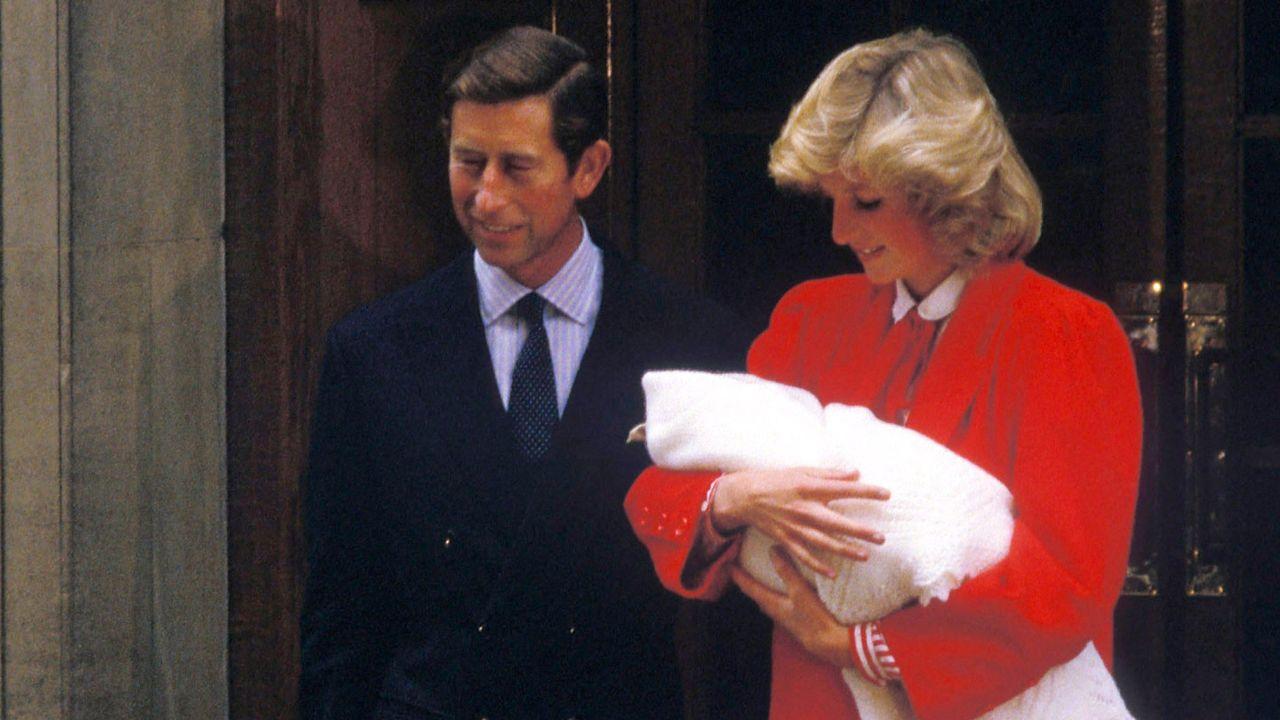
The Enduring Legacy of Princess Diana
More than two decades after her fatal 1997 Paris crash, Princess Diana’s legacy continues to resonate globally. Her impact on the British monarchy, public perception of royalty, and humanitarian causes remains profound. She redefined the role of a modern princess, bringing warmth, empathy, and a human touch to issues like AIDS awareness, landmine eradication, and homelessness, often challenging established protocols.
Her sons, Prince William and Prince Harry, have spoken extensively about their mother’s influence and have continued her charitable work, each in their own way embodying her spirit of service and compassion. The Althorp estate, the Spencer family’s ancestral home where Diana is buried, serves as a private memorial and a testament to her enduring presence. Charles Spencer’s recent revelation adds a deeply personal layer to the historical record, reminding the public of the raw, human experience of loss that underpinned a moment of immense global impact. The initial misinformation he received, now publicly disclosed, serves as a stark reminder of the chaotic origins of one of history’s most poignant and extensively documented tragedies.