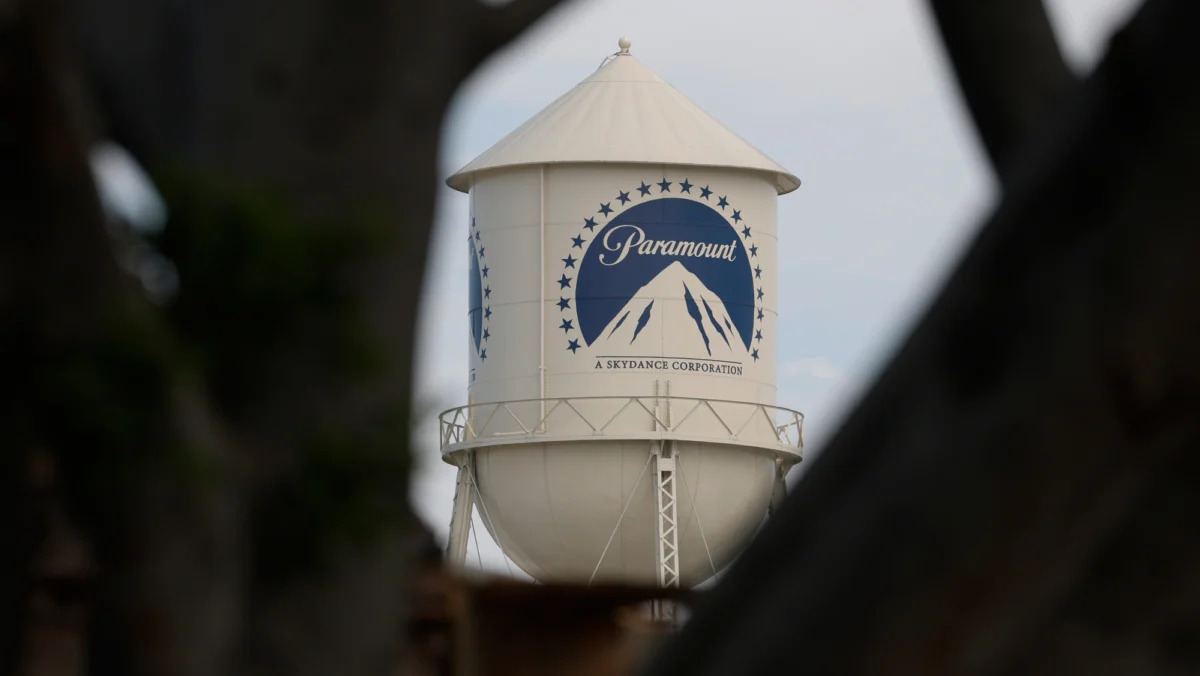
A coalition of twelve U.S. states has reached a settlement agreement with David Ellison’s Skydance Media, effectively concluding their antitrust lawsuits aimed at blocking Skydance’s acquisition of Paramount Global. This resolution, confirmed Monday, has triggered immediate and vocal condemnation from public interest groups and labor advocates, who fear the deal, despite its concessions, represents a significant setback in the fight against pervasive media consolidation, impacting the broader competitive environment that includes major players like Warner Bros. Discovery. Opponents argue the settlement fails to adequately address the profound economic and cultural ramifications of further shrinking the number of independent media conglomerates.
Background of the Proposed Paramount-Skydance Acquisition
The entertainment industry has been in a state of flux for years, marked by a relentless drive toward consolidation. Major players, facing pressures from declining linear television viewership, the high costs of streaming wars, and a demand for expansive content libraries, have sought to merge or acquire rivals to achieve economies of scale and bolster their market positions. Paramount Global, a storied Hollywood studio with a vast content library, broadcast network (CBS), and streaming service (Paramount+), became a prime target in this landscape.
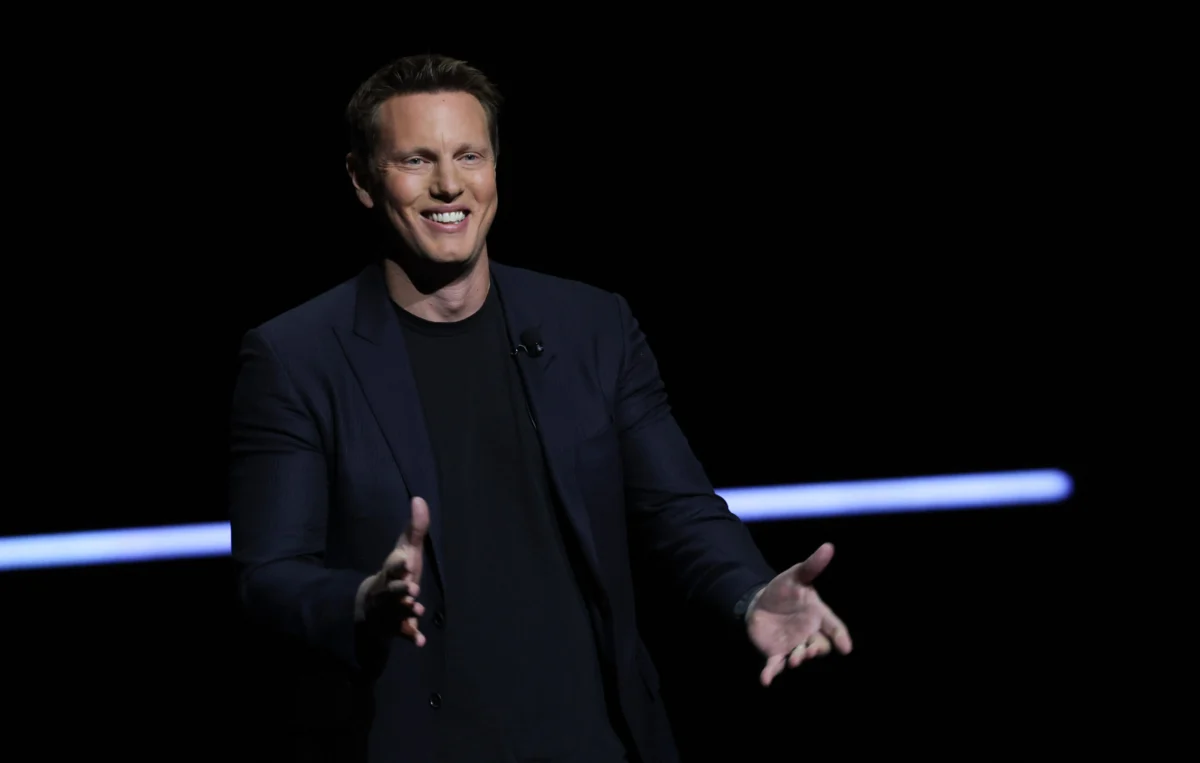
David Ellison’s Skydance Media, a production company known for franchises like "Top Gun" and "Mission: Impossible," emerged as a leading suitor for Paramount. The proposed acquisition, which involves Skydance taking control of Paramount Global, was presented as a strategic move to stabilize Paramount’s finances, expand its production capabilities, and navigate the complex modern media environment. However, the deal quickly drew scrutiny from antitrust regulators and public interest groups concerned about its potential impact on market competition, consumer choice, and the livelihoods of thousands of entertainment industry workers.
Antitrust Concerns and State Opposition
The prospect of Skydance acquiring Paramount Global raised significant antitrust alarms. Critics argued that further consolidation in an already concentrated media sector would lead to fewer independent voices, less diverse content, and potentially higher prices for consumers through increased cable bills and streaming subscription costs. The deal’s structure, involving various financial stakeholders, also added layers of complexity to regulatory assessments.
In mid-July, a group of twelve state attorneys general formally announced their intention to block the acquisition, filing lawsuits that alleged the merger would stifle competition in film and television production, distribution, and exhibition. These states, acting on behalf of their citizens, aimed to uphold antitrust principles designed to protect consumers and ensure a fair marketplace. The lawsuits underscored a growing trend of state-level intervention in major corporate mergers, often stepping in when federal regulators are perceived as moving too slowly or not acting decisively enough.
Terms of the Settlement
Details of the settlement, which emerged on Monday, outline several key provisions intended to mitigate the anti-competitive effects and address some of the concerns raised by the states. Skydance Media has reportedly agreed to commitments that include increasing spending on U.S. film production, a move designed to support domestic content creation and jobs. The agreement also aims to limit price increases at movie theaters, a concession sought to protect consumers from potential price gouging in a less competitive market.
Furthermore, the settlement includes provisions for investment in workforce training programs, signaling an effort to prepare the existing and future entertainment workforce for industry changes. Crucially for Hollywood, the agreement also mandates keeping both Warner Bros. Discovery and Paramount production lots open. While Warner Bros. Discovery is not the direct target of this specific acquisition, the inclusion of its lots in the settlement terms highlights the broader regulatory concern for maintaining a robust, multi-studio production ecosystem within California. This particular clause aims to safeguard infrastructure critical to the state’s film and television industry.
Fierce Opposition from Advocacy Groups
The settlement, rather than assuaging fears, ignited a firestorm of criticism from groups that had actively campaigned against the merger. The American Economic Liberties Project (AELP), a prominent nonprofit dedicated to antitrust regulation, issued a scathing statement even before the official announcement. Alvaro Bedoya, a senior advisor to AELP and a former FTC commissioner, did not mince words.
"Today, billionaires have yet again bribed, censored, and bullied their way to the top," Bedoya declared, painting a grim picture of unchecked corporate power. He continued, expressing alarm over the broader implications: "As a result, a billionaire media conglomerate closely allied with the president will soon own one of its closest rivals, including some of the nation’s most critical news outlets. Saudi Arabia’s sovereign wealth fund will co-own those outlets, too." This statement highlighted concerns not only about market concentration but also about the potential for political influence and foreign ownership in critical sectors of American media.
Bedoya further predicted dire consequences for individuals and small businesses. "Layoffs will follow. People from L.A. to Atlanta will lose their jobs, small businesses will lose their contracts, your cable bill and movie ticket will be even more expensive," he warned. These forecasts echoed a report commissioned by an L.A. County department over the summer, which found that the merger directly put 4,500 "job-years" at risk and indirectly threatened another 2,661. The report also identified 3,204 jobs in unrelated businesses, such as florists and restaurants that rely on the studios, as being vulnerable.
The "Block the Merger" coalition, another vocal opponent, echoed AELP’s sentiments, labeling the settlement "a bad deal for the future of film, entertainment, independent journalism, and a strong democracy in this country." The coalition expressed deep disappointment, stating, "We are disappointed and angry that the interests of average Americans have been trampled to benefit oligarch billionaires," and vowed to continue their advocacy against further media consolidation.
Celebrity and Political Reactions
The settlement also drew sharp political commentary. Actor Mark Ruffalo, a prominent activist and outspoken critic of the merger, took to social media platform X to express his disapproval. In a terse post, Ruffalo summarized the deal’s perceived political ramifications: "Gavin Newsom hands huge win to Trump and his billionaire cronies." This comment linked the California Governor’s perceived role in pushing for a settlement to broader political interests, suggesting a perceived alignment between the state’s leadership and powerful corporate figures. The sentiment highlighted the deep polarization surrounding such corporate deals and the belief among some critics that political influence often overrides public interest in these negotiations.
Pressure for a Quicker Resolution
The path to settlement was not without its own controversies. As reports of a state challenge to the merger emerged in mid-July, prior to the official lawsuit announcements, stories also surfaced that Paramount CEO David Ellison had threatened to relocate the company out of California if the state pursued legal action. California Attorney General Rob Bonta publicly denounced this tactic, labeling it "blackmail," and underscoring the high stakes involved in the negotiations.
However, as the prospect of protracted litigation loomed, bringing with it business uncertainty and potential operational standstills, a different kind of pressure began to mount. Several major Hollywood stakeholders, concerned about the stability of the industry and the economic impact of prolonged legal battles, began advocating for a quicker resolution. Influential labor unions, including the International Alliance of Theatrical Stage Employees (IATSE) and the Directors Guild of America (DGA), publicly expressed their interest in a swift deal, prioritizing job security and the continuation of production.
Political figures also weighed in, with California Governor Gavin Newsom and Los Angeles Mayor Karen Bass lending their support to settlement talks. Even movie theater chains, which had initially expressed concerns about potential market control, reversed their stance and pushed for a settlement, likely seeking stability in their supply of content. This concerted effort from various industry and political factions placed considerable pressure on Attorney General Bonta and his fellow state attorneys general to find a compromise.
The Ongoing Debate Over Media Consolidation
The DGA was quick to offer a more positive assessment of the settlement, stating, "We congratulate the parties on reaching an agreement that addresses a number of critical concerns related to the Paramount/WBD merger." This statement reflects the pragmatic approach of some industry unions, who often prioritize the immediate stability of jobs and production over broader antitrust principles, especially when facing threats of relocation or prolonged uncertainty. The inclusion of the "WBD" in their comment further highlights the industry’s interconnectedness and the general perception of a highly concentrated media landscape.
The settlement underscores the complex and often contradictory forces at play in major corporate mergers. While proponents argue that consolidation is necessary for survival and innovation in a rapidly evolving digital landscape, opponents warn of the dangers to competition, labor, and democratic discourse. The concessions outlined in the settlement—increased U.S. production, price limitations, workforce training, and lot preservation—represent an attempt to balance these competing interests. However, critics remain unconvinced, viewing these provisions as insufficient to counteract the fundamental shift in market power.
The resolution of these state-level antitrust lawsuits removes a significant hurdle for Skydance’s acquisition of Paramount Global. Yet, the vehement reactions from public interest groups suggest that the battle against media consolidation is far from over. As the entertainment industry continues its trajectory of mergers and acquisitions, the debate over who benefits and who loses in these titanic corporate maneuvers will undoubtedly persist, shaping the future of content creation, distribution, and consumption in the United States and beyond.