Escalating Tensions: A Nation on Edge
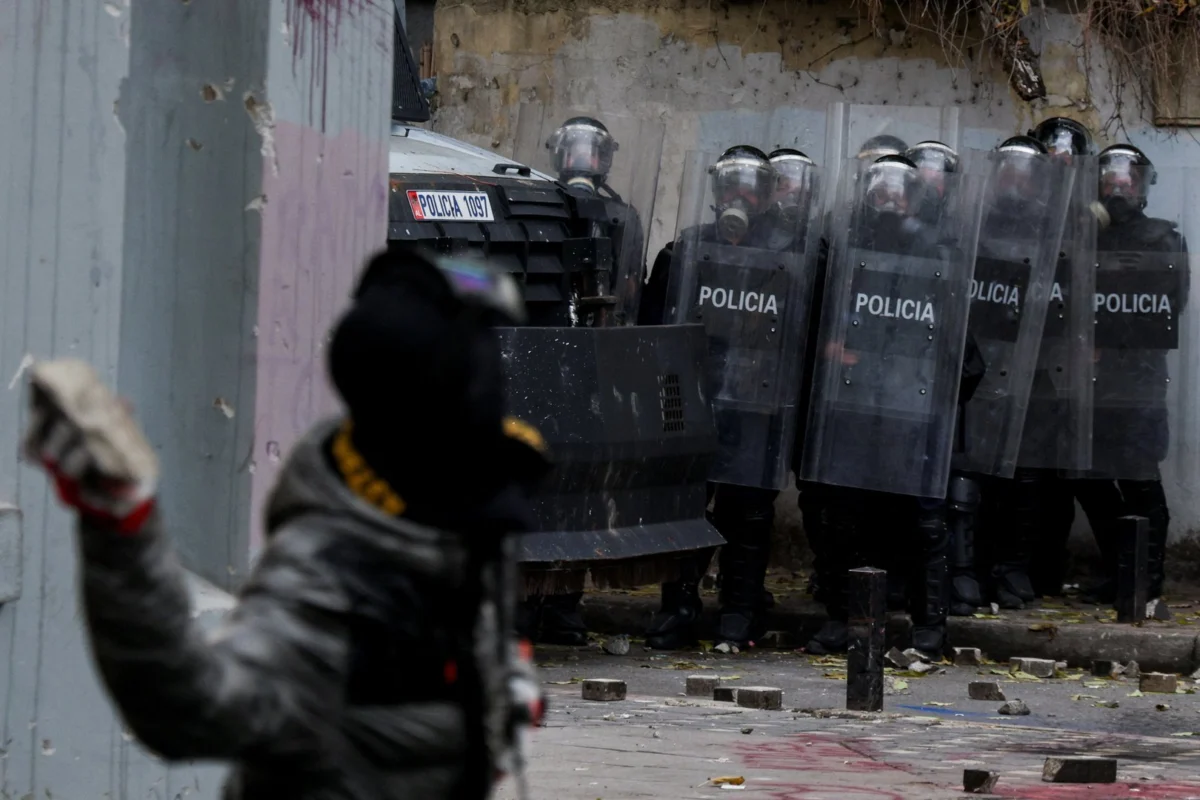
The scenes of chaos that unfolded on Saturday in Albania paint a stark picture of a nation grappling with significant social and political discontent. The confrontations were not isolated incidents but rather a continuation of a pattern of escalating unrest that has gripped the country for weeks. The use of improvised incendiary devices and projectiles by demonstrators underscores the intensity of their frustration, while accusations of police overreach highlight concerns about civil liberties and the state’s response to dissent.
This wave of protests, spearheaded by the student population, has brought the country to a near standstill at times, focusing national and international attention on the leadership of Prime Minister Edi Rama. The students’ core demand—Rama’s resignation—reflects a broader dissatisfaction with governance, economic conditions, and perceived corruption within the ruling establishment. The ongoing confrontations suggest that a resolution to this protracted crisis is not imminent, with both sides appearing entrenched in their positions.
The Roots of Discontent: A Deepening Crisis
The current wave of protests in Albania is not a sudden eruption but rather the culmination of years of simmering discontent. For a considerable period, various segments of Albanian society have voiced concerns over issues ranging from economic stagnation and high unemployment to allegations of widespread corruption and a lack of transparency in government. The student movement, in particular, has tapped into these broader anxieties, transforming a specific set of grievances into a national outcry against the current administration.
Critics of the Rama government point to a perceived erosion of democratic institutions and a concentration of power as key contributing factors to the widespread dissatisfaction. There have been persistent accusations of cronyism and a failure to address systemic issues that hinder the country’s development and the well-being of its citizens. The prolonged nature of the protests, involving a significant portion of the student body, indicates a deep-seated lack of faith in the government’s ability or willingness to enact meaningful change.
Student Leadership: A Catalyst for Change
The prominent role of students in leading these demonstrations is a significant aspect of the ongoing crisis. Universities and academic institutions, often seen as centers of intellectual discourse and future leadership, have become focal points for organized dissent. The student movement has been remarkably effective in mobilizing large numbers of young people, leveraging social media and grassroots organizing to disseminate their message and coordinate actions.
Their demands extend beyond specific policy failures to a fundamental questioning of the legitimacy and effectiveness of the current government. The energy and determination of the student body have provided a crucial impetus for the protest movement, drawing in other segments of society who share their concerns. This youth-led activism has injected a new dynamism into Albanian politics, challenging the established order and demanding accountability from its leaders.
A Timeline of Escalation: From Peaceful Assembly to Violent Clashes
The current unrest has followed a discernible trajectory, beginning with organized, largely peaceful demonstrations and gradually devolving into more confrontational encounters.
Early Stages: Initial Demands and Growing Momentum
The initial protests were characterized by large gatherings, where students and their supporters voiced their grievances through speeches, banners, and organized marches. These early demonstrations were primarily aimed at raising public awareness and putting pressure on the government to address their concerns. The focus was on articulating specific demands related to education reform, economic opportunities, and good governance.
Mid-Phase: Increased Mobilization and Government Response
As the protests gained momentum, the scale of participation grew, attracting wider public support. This increased visibility prompted a response from the government, which initially attempted to dismiss the protests or offer conciliatory but ultimately insufficient measures. The perceived lack of genuine engagement from the administration fueled further frustration among the protesters, leading to a hardening of their stance.
Recent Developments: The Shift to Confrontation
The past few weeks have witnessed a significant shift, with protesters resorting to more aggressive tactics. The introduction of petrol bombs and paving stones signifies a desperate attempt to break through police lines and draw more attention to their plight. This escalation in tactics has, in turn, led to a more forceful response from the police, resulting in the numerous fiery confrontations that have become a hallmark of the recent demonstrations.
The Role of Social Media and Information Dissemination
In the contemporary landscape, social media has played an indispensable role in the organization and amplification of these protests. Platforms like Facebook, Twitter, and Instagram have served as crucial tools for protesters to:
- Coordinate actions: Announcing protest locations, times, and strategies.
- Share information: Disseminating news, updates, and evidence of police actions.
- Mobilize support: Reaching a wider audience and encouraging participation.
- Document events: Providing real-time visual and textual accounts of the protests, often in stark contrast to official narratives.
This constant flow of information has helped to galvanize public opinion, both domestically and internationally, and has made it more difficult for the government to control the narrative surrounding the protests.
Broader Implications: A Test for Albanian Democracy
The ongoing confrontations in Albania carry significant implications for the country’s democratic trajectory and its standing on the international stage. The sustained unrest and the use of force by both sides raise serious questions about the health of Albanian democracy and the rule of law.
International Scrutiny and Regional Stability
Albania, as a member of NATO and a candidate country for European Union membership, is under considerable international scrutiny. The current political climate and the instances of violent clashes could impact its aspirations for closer integration with Western institutions. Reports of excessive force by police can lead to condemnations from international human rights organizations and governmental bodies, potentially affecting diplomatic relations and foreign investment.
Furthermore, instability in one Balkan nation can have ripple effects throughout the region. Neighboring countries and international organizations are closely monitoring the situation to ensure that it does not destabilize the broader Western Balkan area, which has a history of ethnic and political tensions.
Economic Fallout and Investment Climate
The persistent political instability and violent protests can deter foreign investment, a critical component for Albania’s economic growth. Businesses are often hesitant to commit capital in environments characterized by uncertainty, civil unrest, and potential disruptions to infrastructure and operations. This can lead to a slowdown in job creation, reduced economic output, and a perpetuation of the very economic grievances that fuel the protests.
The tourism sector, a growing contributor to Albania’s economy, can also be negatively impacted. Images of fiery confrontations and street battles can deter potential visitors, leading to a decline in revenue and employment in this vital industry.
Public Reaction and the Path Forward
The confrontations between protesters and police have elicited a wide spectrum of reactions from the Albanian public. While a significant portion of the population supports the protesters’ demands for change, there is also concern over the escalating violence and the disruption it causes to daily life.
Divided Public Opinion and the Desire for Peace
Public discourse on social media and in informal gatherings reveals a society deeply divided. Many citizens express solidarity with the students’ cause, believing that systemic reform is long overdue. They see the protests as a necessary, albeit challenging, step towards a more just and accountable government.
However, a segment of the population also voices apprehension about the intensity of the clashes and the potential for further escalation. Concerns are raised about the safety of citizens, the damage to public property, and the overall impact on the nation’s stability. There is a palpable desire for a peaceful resolution, but the means to achieve it remain elusive.
The Government’s Dilemma: Concession or Control
The Albanian government faces a critical juncture. On one hand, continued forceful suppression of protests risks further alienating the population and drawing international condemnation. It could also inadvertently fuel greater radicalization among protesters.
On the other hand, significant concessions, such as the resignation of Prime Minister Rama, could be perceived as a capitulation to street pressure and could embolden future protest movements. The government’s challenge lies in finding a delicate balance between maintaining order and addressing the legitimate grievances that have fueled this sustained period of unrest.
The Role of Civil Society and Mediation
As the situation remains volatile, the role of civil society organizations and potential mediators becomes increasingly important. Independent bodies could play a crucial role in facilitating dialogue between the government and the protest leaders, seeking common ground and exploring avenues for de-escalation. Their involvement could offer a pathway towards a more constructive resolution, moving beyond the cycle of confrontation and toward meaningful political reform. The coming days and weeks will be critical in determining whether Albania can navigate this complex crisis and chart a course towards greater stability and democratic progress.