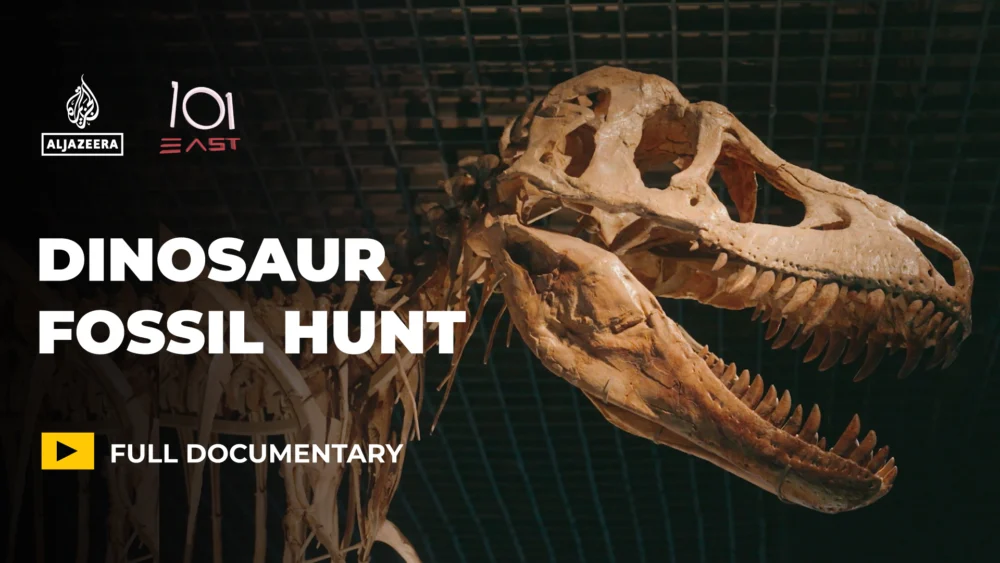
The global market for dinosaur fossils is experiencing an unprecedented boom, fueled by a surge in demand from wealthy collectors, particularly across Asia, raising significant questions about its impact on scientific research and heritage. In a landmark auction in New York in 2024, a complete Stegosaurus skeleton fetched a staggering $44.6 million, setting a new record and highlighting the immense financial value now attached to these ancient relics. This burgeoning trade sees fossil hunters reaping substantial profits, while collectors in Asia increasingly view their dinosaur acquisitions not just as status symbols, but as vital educational tools for future generations, seeking to connect them with the deep history of life on Earth. However, this commercialization is not without its critics, with a growing chorus of academics and paleontologists arguing that the unregulated and often opaque nature of the fossil trade is not only unethical but actively detrimental to the scientific community’s ability to study and understand prehistoric life.
The Fossil Frenzy: A Multimillion-Dollar Industry Emerges
The allure of dinosaurs has long captivated imaginations, but in recent years, this fascination has translated into a voracious appetite for their fossilized remains on the global market. This has transformed paleontology from a purely academic pursuit into a high-stakes commercial enterprise. The demand is driven by a confluence of factors, including increased wealth in emerging economies, a growing appreciation for natural history among private collectors, and the sheer spectacle of owning a piece of Earth’s ancient past. Asian collectors, in particular, have become prominent players, their interest often described as a burgeoning passion for both scientific heritage and tangible links to prehistoric eras.
The economic dimension of this trade is staggering. Auctions, private sales, and specialized dealers facilitate the movement of fossils across international borders, creating a complex web of transactions. The record-breaking sale of the Stegosaurus skeleton underscores the immense financial potential, drawing significant attention to the industry. This economic incentive, while driving exploration and recovery, also raises concerns about the prioritization of profit over scientific value.
From Discovery to Display: The Journey of a Fossil
The journey of a dinosaur fossil from its discovery in the ground to its eventual display in a private collection is often shrouded in secrecy. Fossil hunters, ranging from independent prospectors to well-funded expeditions, scour remote regions, often in countries rich in paleontological resources. The discovery of a significant specimen can mean a life-changing payday, incentivizing rapid excavation and, in some cases, a disregard for meticulous scientific documentation.
Once unearthed, fossils can undergo extensive preparation and restoration, often performed by specialized laboratories. This process can enhance their aesthetic appeal and market value, but it also raises questions about the authenticity and scientific integrity of the final product. The anonymity surrounding many of these transactions makes it difficult to trace the provenance of fossils, leading to concerns about potential looting of significant paleontological sites and the illicit trafficking of cultural heritage.
Asia’s Ascendancy in the Fossil Trade
Asia has emerged as a significant hub in the global dinosaur fossil trade, not only as a source of specimens but increasingly as a major market for buyers. The growing affluence of a segment of the Asian population has fueled a desire for unique and historically significant artifacts. For many collectors, dinosaur fossils represent an unparalleled opportunity to own a tangible piece of Earth’s history.
Beyond mere acquisition, there is a growing sentiment among some Asian collectors to leverage these fossils for educational purposes. They envision their collections as tools to inspire younger generations, fostering an interest in science, history, and the natural world. This educational aspiration, while commendable, does not fully alleviate concerns about the commercial aspects of the trade and its potential impact on scientific access. The increasing prominence of Asian buyers is reshaping the dynamics of the global market, influencing auction prices and the flow of fossils.
The Scientific Dilemma: Ethics and Evidence Under Threat
The booming commercial fossil market presents a profound dilemma for the scientific community. Paleontologists rely on fossils to reconstruct the evolutionary history of life, understand past ecosystems, and decipher the processes that shaped our planet. However, when fossils are primarily treated as commodities, their scientific value can be overshadowed by their market price.
A primary concern is the loss of scientific data. When fossils are excavated by commercial entities without the involvement of trained paleontologists, crucial contextual information – such as the geological layers, associated flora and fauna, and precise location – can be lost forever. This contextual data is vital for understanding the fossil’s environment and its place in the broader timeline of life. Furthermore, many significant specimens end up in private collections, inaccessible to researchers, hindering scientific progress.
Looting and Illicit Trade: A Shadow Over Paleontology
The immense profitability of the fossil trade has unfortunately given rise to illegal activities, including the looting of paleontological sites and the illicit trafficking of fossils. In many countries, dinosaur fossils are considered national treasures, and their excavation and export are strictly regulated. However, the allure of substantial financial rewards often prompts individuals to circumvent these laws, leading to the disappearance of scientifically important specimens from their original geological context.
The clandestine nature of the illicit trade makes it incredibly challenging for authorities to track and recover these fossils. This not only deprives countries of their natural heritage but also fuels a black market that further undermines legitimate scientific endeavors. The ethical implications of acquiring fossils through such means are severe, raising questions about ownership, heritage, and the responsibility of collectors.
The Specter of Pseudo-Science and Misinformation
When fossils are divorced from their scientific context and presented solely as curiosities or investments, there is a risk of promoting misinformation. Without proper scientific curation and study, the origins, age, and significance of fossils can be misrepresented, leading to a public understanding that is detached from scientific consensus. This can be particularly problematic when these fossils are used in educational settings without expert guidance.
The commercial drive can sometimes lead to the overstatement of a fossil’s rarity or completeness to inflate its market value, irrespective of its actual scientific merit. This can distort public perception and create a marketplace where speculation often outweighs scientific accuracy.
Record-Breaking Sales and the Commodification of History
The astronomical prices commanded by dinosaur fossils at auction are a testament to their perceived value as unique assets. The 2024 Stegosaurus sale, exceeding previous records, exemplifies this trend. These sales attract global attention, further fueling interest and investment in the fossil market.
However, this commodification raises fundamental questions about whether priceless scientific and historical artifacts should be subject to private ownership and market forces. Critics argue that such objects are part of humanity’s shared heritage and should be preserved for public access and scientific study, rather than becoming exclusive possessions of the wealthy. The notion of a "public trust" for paleontological resources is often invoked in these debates.
The Call for Regulation and Ethical Practices
In response to the growing concerns, there are increasing calls for more robust regulation of the global fossil trade. Many scientists advocate for stricter enforcement of existing laws concerning the excavation and export of fossils, particularly in countries with rich paleontological resources. The development of clear international guidelines and a greater emphasis on provenance tracking are also seen as crucial steps.
Furthermore, there is a growing movement within the scientific community to promote ethical collecting practices. This includes advocating for collaborations between commercial entities and scientific institutions, where commercial operations could potentially fund legitimate paleontological research in exchange for access to certain specimens or data. The concept of "responsible collecting" emphasizes the importance of scientific documentation, conservation, and ensuring that significant discoveries benefit the broader scientific community and the public.
International Cooperation and Legal Frameworks
Addressing the challenges posed by the global fossil market requires concerted international cooperation. Many countries lack the resources or expertise to effectively monitor and protect their paleontological heritage. Agreements and treaties that facilitate the repatriation of illegally exported fossils and establish common standards for fossil trade are essential.
The legal frameworks governing fossil ownership and trade vary significantly from country to country. Harmonizing these regulations and strengthening enforcement mechanisms are critical to curbing illicit activities and ensuring that fossils are handled in a manner that respects both scientific integrity and cultural heritage.
The Future of Dinosaur Fossils: Science or Speculation?
The future of the global dinosaur fossil market hinges on the delicate balance between commercial interests and scientific imperatives. As the demand for these ancient wonders continues to grow, so too does the urgency to establish practices that safeguard their scientific value for generations to come. The question remains whether the allure of profit will ultimately eclipse the pursuit of knowledge, or if a more responsible and collaborative approach can be forged.
The ongoing debate highlights a critical juncture in how society values and manages its natural and historical heritage. The legacy of these magnificent creatures, preserved in stone for millions of years, is increasingly caught in the crosscurrents of global commerce and scientific exploration. The decisions made today regarding the dinosaur fossil trade will undoubtedly shape our understanding of Earth’s past and the accessibility of its prehistoric stories for the future.