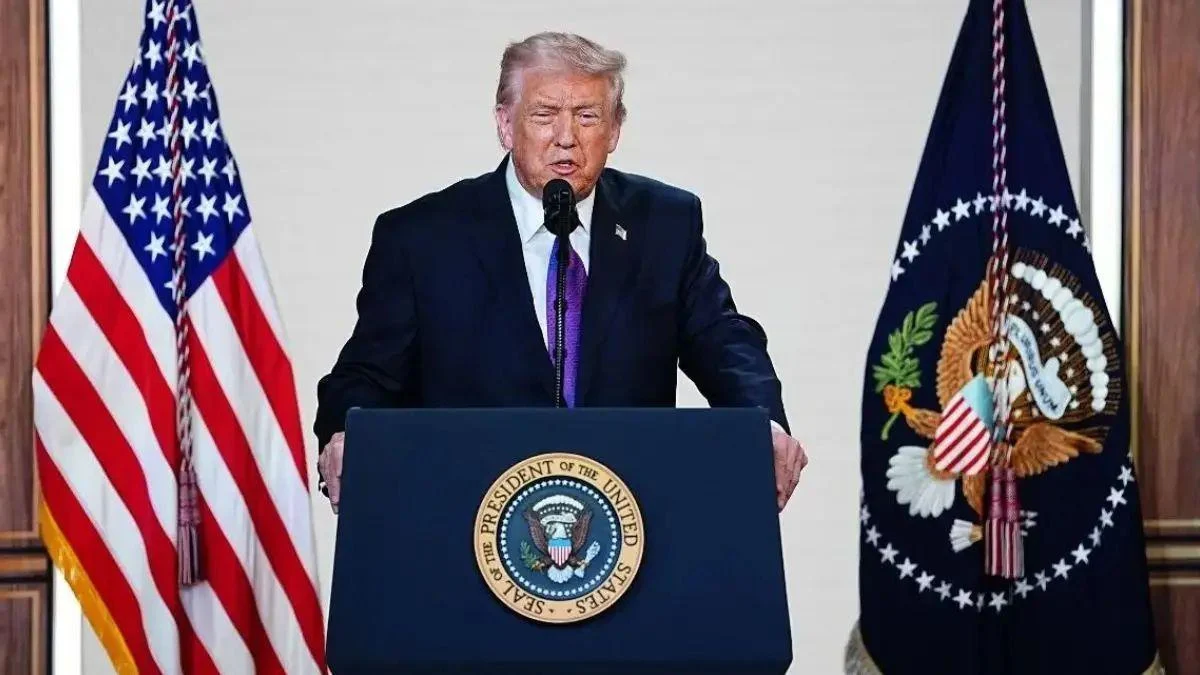
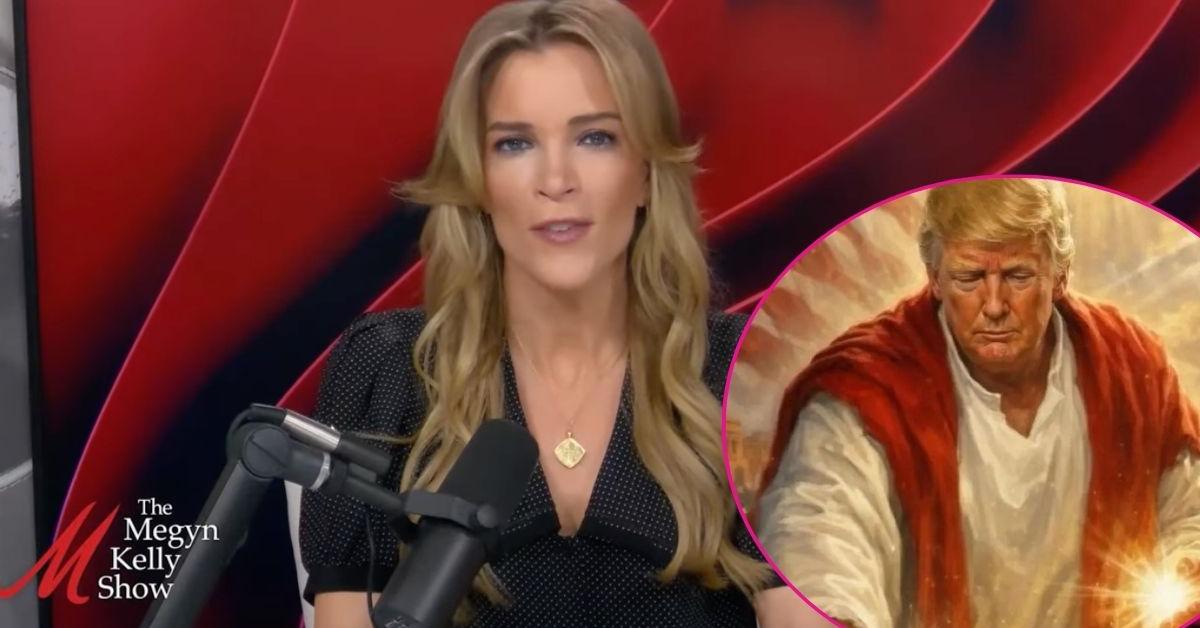
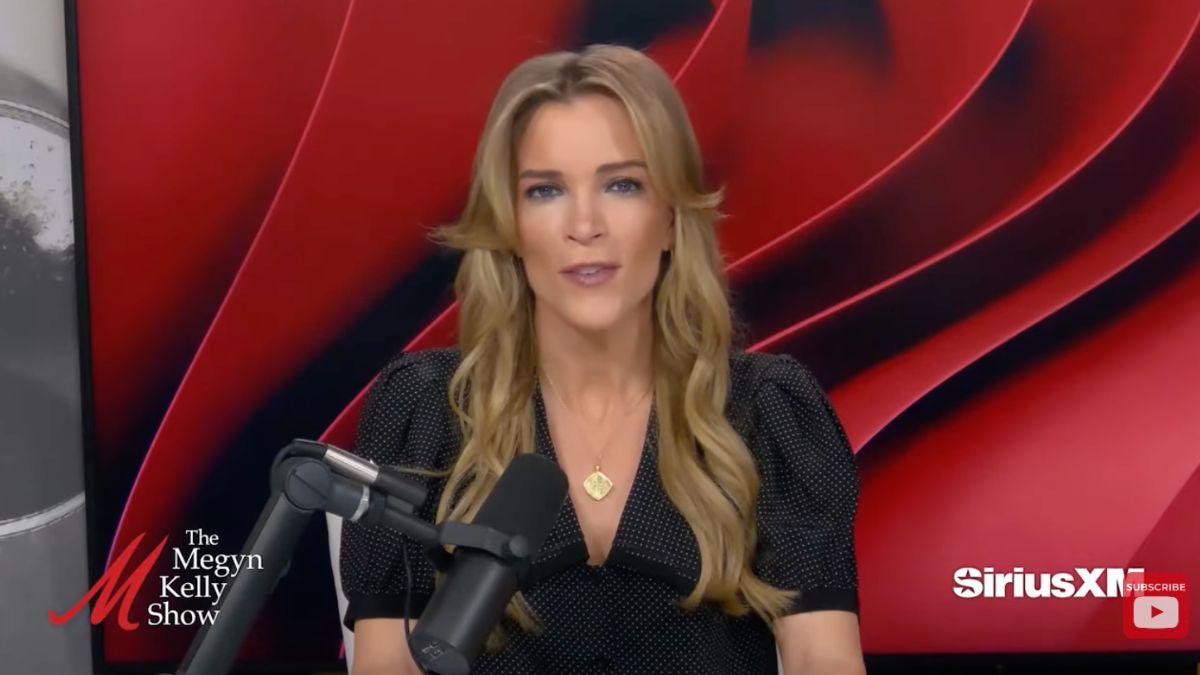
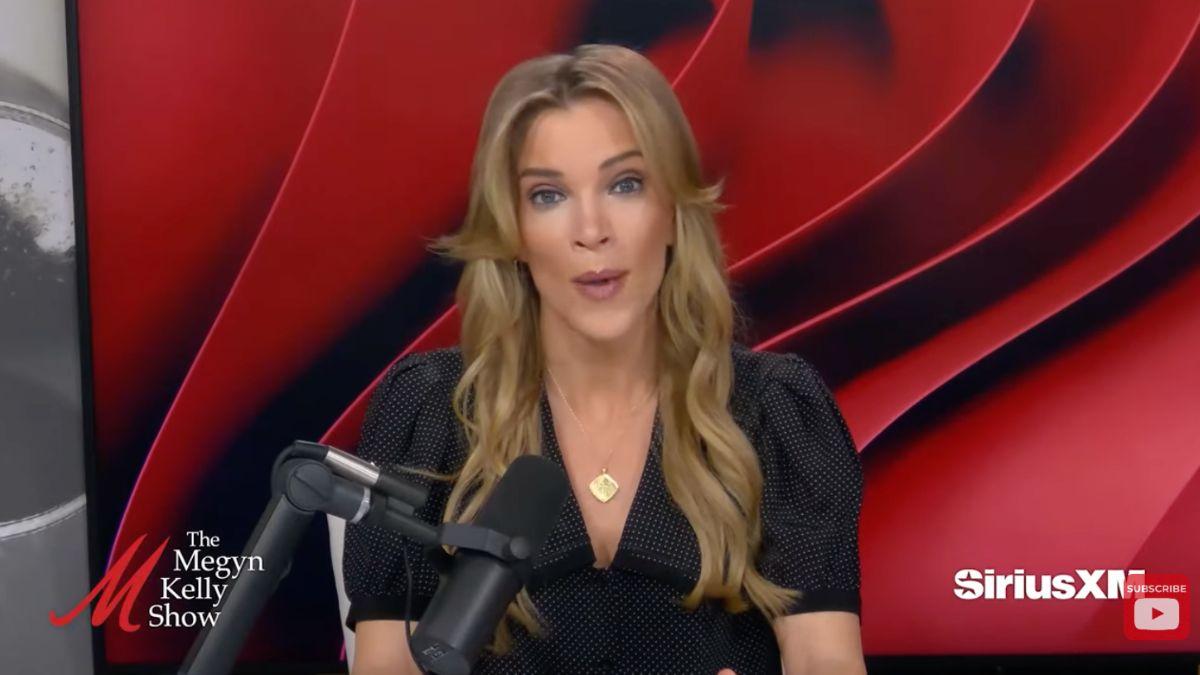
Conservative political commentator Megyn Kelly has vehemently criticized former President Donald Trump for his recent actions, including posting an artificial intelligence-generated image depicting himself as Jesus and launching a verbal assault against Pope Leo XIV. Kelly labeled Trump’s self-portrayal as Jesus "blasphemous" and "completely inappropriate," suggesting the former president’s behavior stemmed from a "desperate" need for public attention. Her remarks, delivered on her popular podcast, underscored a growing tension between the former president and segments of his conservative base, particularly those with strong religious convictions.
A History of Provocation and Reaction
The latest broadside from Megyn Kelly reignites a long-standing, often acrimonious, relationship between the two prominent media figures. Kelly, a former Fox News anchor, gained national prominence during the 2016 presidential campaign for her tough questioning of then-candidate Trump, leading to highly publicized clashes and a period of strained relations. While their dynamic has evolved since, Kelly has maintained a critical distance, frequently analyzing Trump’s political maneuvers and public persona with a sharp, often unsparing, lens. Her current commentary aligns with her past tendency to call out actions she perceives as crossing ethical or moral boundaries, particularly when they involve religious sensibilities.
Trump’s Confrontation with the Papacy
Kelly, a self-identified Catholic, expressed little surprise at Trump’s verbal attack on Pope Leo XIV, who she noted had been critical of an ongoing international conflict. "It was predictable," Kelly stated, attributing Trump’s swift and aggressive response to his well-documented pattern of lashing out at any perceived critic. She elaborated that Trump’s modus operandi involves an immediate counter-attack against anyone who challenges him, regardless of their stature or influence. This confrontational style, she argued, extends even to global religious leaders.

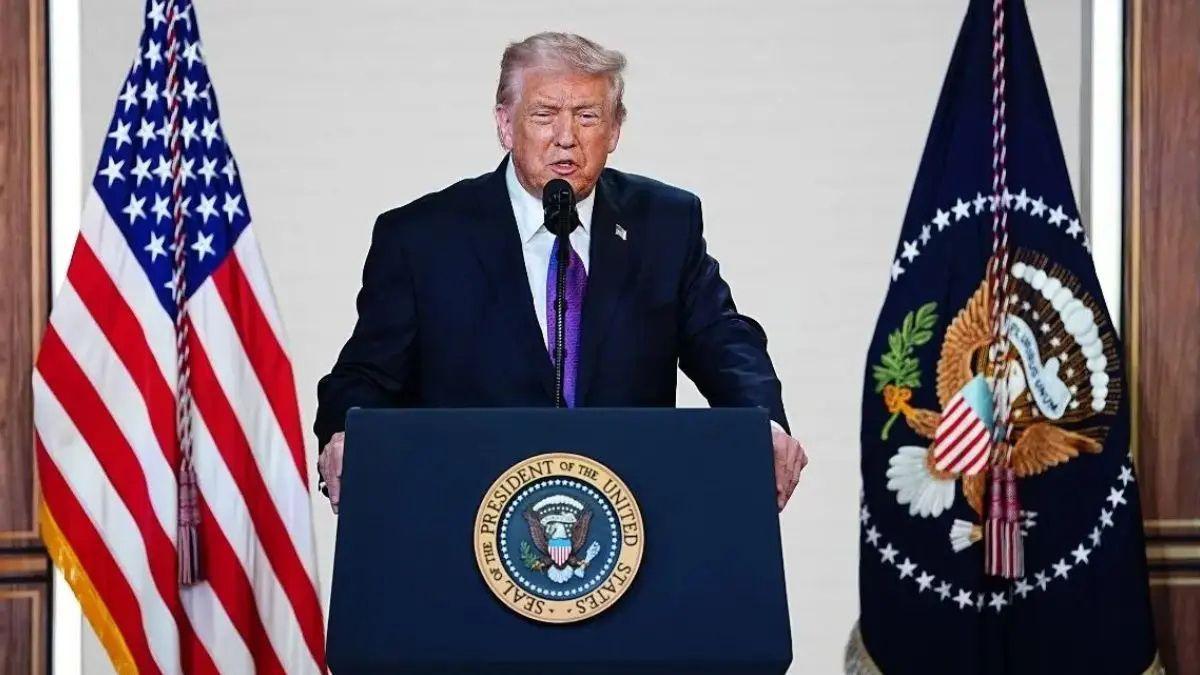
The former president reportedly took to his Truth Social platform to voice his displeasure with Pope Leo XIV, characterizing him as "weak on crime and terrible for foreign policy." In subsequent interviews, Trump further cemented his stance, openly admitting he was "not a fan" of the pontiff. Kelly highlighted the stark contrast in the number of adherents led by each figure – Trump, governing a nation of approximately 330 million, versus Pope Leo XIV, guiding an estimated 1.4 billion Catholics worldwide. Despite this disparity, Kelly asserted that Trump remains indifferent to the potential diplomatic or public relations ramifications of his remarks, driven solely by his instinct to retaliate.
The Blasphemous Image: A New Low?
The most contentious point of Kelly’s criticism centered on a since-deleted AI-generated image Trump posted, which depicted him in a manner evocative of Jesus healing an individual. Kelly did not mince words, calling the image an overt attempt by Trump to portray himself as a divine figure. "It is obviously him purporting to be God," she declared, before unequivocally labeling the act as "blasphemous." She provided a clear definition of blasphemy as "irreverence towards sacred entities," asserting that Trump’s post squarely fit this description.

The use of artificial intelligence to generate such politically charged and religiously sensitive imagery introduces a modern dimension to political communication. While AI tools offer new avenues for content creation, their application in areas touching upon deeply held religious beliefs raises significant ethical questions regarding respect, authenticity, and potential for manipulation. This incident underscores the increasing need for public figures to exercise discretion in their use of emerging technologies, particularly when the content risks offending or alienating significant portions of the populace.
Broader Implications and Public Impact
Kelly’s condemnation of Trump’s actions transcends mere political commentary; it taps into profound questions about the intersection of religion, politics, and public figures’ conduct. For many religious adherents, particularly Catholics and other Christians, the portrayal of a political leader as Jesus is deeply offensive, seen as a trivialization of sacred imagery and a usurpation of divine authority. The swift deletion of the post suggests an acknowledgment, perhaps by Trump’s team, of the intense backlash it generated.
This incident carries potential ramifications for Trump’s political standing, especially among his devout Christian base. While many evangelical Christians have remained steadfast in their support for Trump, his recent actions could test the loyalty of some who prioritize religious reverence. Kelly herself pointed out the incongruity, questioning why Trump would alienate a community, many members of which are loyal supporters. "We would appreciate not being mocked for our religious beliefs," Kelly stated, emphasizing the sentiment among many who felt disrespected by the former president’s social media post.
Analysis of Campaign Strategy and Attention Seeking
From a strategic perspective, Trump’s history suggests a calculated approach to provoke and dominate news cycles. Kelly herself acknowledged his "affinity for getting a rise out of people" and "enjoying being subversive." However, she questioned the utility of this particular provocation, especially given its religious nature. She argued that portraying himself as Jesus and attacking the Pope crosses a line from mere political showmanship into territory that is genuinely offensive and potentially counterproductive.
The perceived "desperation for attention" cited by Kelly might reflect a broader assessment of Trump’s political messaging. In an increasingly crowded and fragmented media landscape, maintaining constant visibility is a core objective for many political figures. For Trump, who thrives on public engagement and often employs unconventional tactics, such provocative actions may be seen as a means to ensure he remains at the forefront of public discourse, regardless of the controversy they generate. However, this particular maneuver risks alienating a crucial demographic that forms a significant part of his electoral coalition.
Reactions and Future Consequences
Beyond Kelly’s pointed remarks, the AI-generated Jesus image and the criticisms of Pope Leo XIV have sparked wider debate across social media and traditional news outlets. Commentators from various political and religious backgrounds have weighed in, largely echoing Kelly’s sentiment regarding the impropriety of the religious imagery. The deletion of the post itself is a consequence, indicating that the feedback, or at least the potential for sustained negative attention, was significant enough to warrant its removal.
The ongoing discourse highlights the delicate balance public figures must strike when engaging with religious themes, especially in a diverse and religiously sensitive nation. As the next election cycle approaches, Trump’s actions will undoubtedly be scrutinized not only for their political efficacy but also for their moral and ethical implications, particularly by voters for whom faith plays a central role in their political decision-making. The episode serves as a potent reminder of the volatile intersection where modern technology, political ambition, and deeply held religious convictions converge.