Veteran filmmaker Steven Soderbergh has publicly condemned Disney’s decision to cancel a planned Star Wars film centered on Adam Driver’s character, Ben Solo, labeling the studio’s move as "insane." The acclaimed director revealed he dedicated nearly three years to developing the script for The Hunt for Ben Solo, only for the project to be unceremoniously axed by top Disney executives. The abrupt cancellation, which Soderbergh described as "two-and-a-half years of free work," has reignited debates within Hollywood and among fans about creative control and strategic direction for the iconic Star Wars franchise.
The Genesis of a Scrapped Project
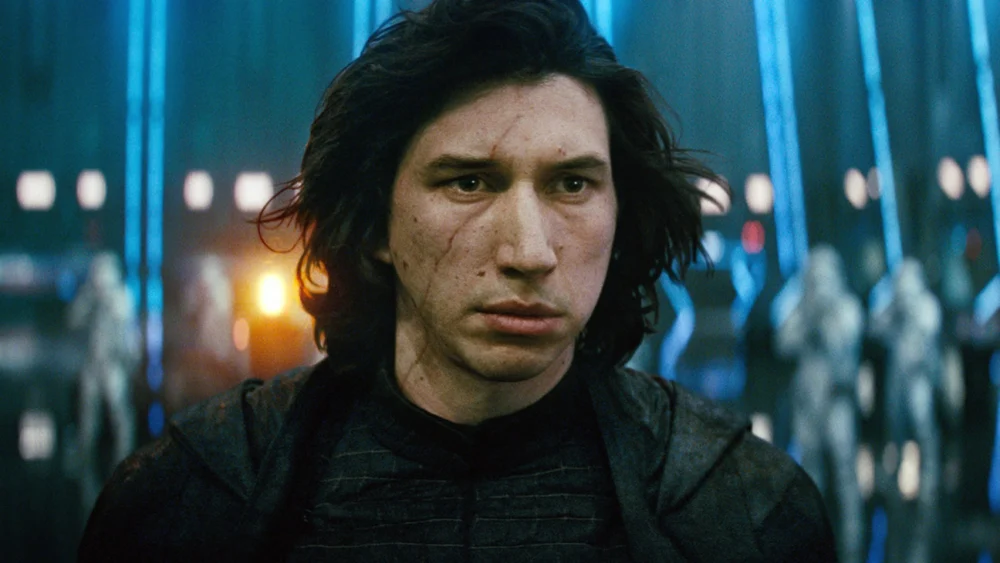
The revelation first surfaced in October when Adam Driver, who portrayed Ben Solo (also known as Kylo Ren) in the Star Wars sequel trilogy, mentioned the shelved film during an interview. Driver praised the script, calling it "one of the coolest scripts I had ever been a part of," and indicated that while Lucasfilm had "loved" their take, Disney CEO Bob Iger and co-chairman Alan Bergman ultimately rejected the project. This early leak set the stage for Soderbergh’s recent, more direct comments, which underscore a deep sense of frustration among the creative team involved.
Soderbergh, known for his diverse and critically acclaimed filmography including Traffic, Erin Brockovich, and Ocean’s Eleven, collaborated with writer Rebecca Blunt on the screenplay. Blunt had previously worked with Soderbergh on the heist comedy Logan Lucky, demonstrating a pre-existing creative synergy. Their involvement signaled a potentially unique and sophisticated entry into the Star Wars universe, promising a distinct artistic vision for a character whose journey from villain to redeemed hero resonated deeply with many viewers.
Creative Clash: Lucasfilm vs. Disney Leadership
In a recent interview with BK Mag, Soderbergh elaborated on the project’s demise, particularly in light of outgoing Lucasfilm president Kathleen Kennedy’s previous remarks. Kennedy had last month referred to the script as "great," acknowledging the quality of the work produced by Soderbergh’s team. Soderbergh confirmed that Kennedy’s frustration was palpable and widely shared among those involved. "It was no surprise that [Kennedy] was frustrated," Soderbergh stated. "We were all frustrated."
He recounted advising Driver against speculating on the reasons for the cancellation when discussing it publicly, urging him to stick to the facts. The official reason provided for the shelving of The Hunt for Ben Solo was succinct: "We don’t think Ben Solo could be alive." This explanation directly references the character’s death at the conclusion of 2019’s Star Wars: The Rise of Skywalker, where Ben Solo sacrificed himself to save Rey.
Soderbergh expressed his profound disappointment, noting that the project never progressed to the typical budgetary discussions. "I’d kind of made the movie in my head, and just felt bad that nobody else was going to get to see it," he explained. "I thought the conversation was strictly going to be a practical one—where they go, what is this going to cost? And I had a really good answer for that. But it never even got to that point. It’s insane. We’re all very disappointed." The lack of financial discussion before outright rejection highlights a potentially fundamental disagreement over creative direction rather than mere economic feasibility.
The Legacy of Ben Solo and Kylo Ren
Ben Solo’s character arc is one of the most complex and divisive elements of the Star Wars sequel trilogy. Introduced as Kylo Ren, the formidable leader of the First Order and son of Han Solo and Leia Organa, his journey saw him embrace the dark side under Supreme Leader Snoke and later Emperor Palpatine. His eventual redemption and sacrifice in The Rise of Skywalker captivated a significant portion of the fanbase, particularly those who championed the "Reylo" pairing with Rey Skywalker. The ambiguity surrounding his final moments and the emotional weight of his story created fertile ground for potential future narratives, despite his canonical death.
The decision to scrap The Hunt for Ben Solo based on his demise raises questions about the flexibility and creative boundaries within the Star Wars universe. While character death is a definitive narrative tool, the franchise has a history of revisiting characters through various means—flashbacks, force ghosts, or even prequels exploring earlier periods of their lives. The notion that a character’s death definitively precludes any further storytelling ignores the broader possibilities of a vast cinematic universe, which often embraces non-linear narratives or explores alternate realities.
Broader Implications for Disney’s Star Wars Strategy
The cancellation of The Hunt for Ben Solo is not an isolated incident but rather another data point in a pattern that has led many to ask: "Is Disney Bad at Star Wars?" Since acquiring Lucasfilm in 2012 for over $4 billion, Disney has embarked on an ambitious expansion of the Star Wars universe. While the sequel trilogy generated billions at the box office, it also faced significant fan division and critical scrutiny. Subsequent spin-off films like Solo: A Star Wars Story underperformed, leading to a pivot away from standalone features and a greater emphasis on streaming series for Disney+.
The perceived lack of a coherent long-term cinematic strategy for Star Wars has been a frequent criticism. Projects have been announced, developed, and subsequently delayed or canceled with regularity, fostering an impression of internal indecision and creative flux. The highly anticipated film slate, which once boasted projects from acclaimed directors like Rian Johnson and Patty Jenkins, has seen frequent reshuffling, leaving fans uncertain about the franchise’s big-screen future.
The creative tension between the Lucasfilm creative teams and Disney’s corporate leadership, as hinted at by the Soderbergh news, reflects a broader challenge in managing legacy franchises. Balancing the expectations of a passionate fanbase, the creative visions of filmmakers, and the financial imperatives of a global conglomerate is a delicate act. The rejection of a project described as "great" by Lucasfilm leadership and "cool" by its star, based on a seemingly rigid interpretation of character continuity, suggests a conservative approach from Disney executives that may prioritize perceived brand safety over bold artistic risks.
The Cost of Development Hell in Hollywood
Soderbergh’s remark about "two-and-a-half years of free work" underscores the significant investment of time, talent, and creative energy that often goes unrewarded in Hollywood’s development process. While unproduced scripts are a common byproduct of the industry, the scale of this particular project—involving an A-list director, a globally recognized star, and a tentpole franchise—magnifies the impact. This situation serves as a stark reminder of the financial and emotional toll on creatives when projects fall into "development hell" or are abruptly terminated.
Such high-profile cancellations could potentially deter other top-tier filmmakers from engaging with major franchises, fearing similar outcomes. Directors like Soderbergh, who have significant creative autonomy in their independent work, might weigh the risks of dedicating years to a project that could be canceled by corporate oversight. This could lead to a narrowing of the talent pool willing to tackle these massive intellectual properties, potentially stifling innovation and fresh perspectives within established universes.
A Shifting Landscape for Star Wars Content
As Disney continues to navigate the Star Wars landscape, its focus appears to be heavily weighted toward Disney+ content. Series like The Mandalorian, Andor, and Ahsoka have largely garnered critical acclaim and strong fan reception, providing a more consistent stream of content than the often-turbulent film development cycle. The upcoming release of The Mandalorian and Grogu, which brings the hit streaming series to the big screen, signals a potential strategy of leveraging proven Disney+ successes for cinematic ventures.
However, the future of original Star Wars films remains a topic of intense speculation. While several projects are reportedly in various stages of development—including a film focused on Rey’s New Jedi Order, another exploring the Dawn of the Jedi era by James Mangold, and Dave Filoni’s culmination of the "Mandoverse"—the cancellation of The Hunt for Ben Solo introduces a layer of uncertainty regarding what types of stories Disney is truly willing to greenlight for its theatrical slate.
The rejection of a compelling narrative exploring the nuances of Ben Solo, particularly with a director of Soderbergh’s caliber, represents a missed opportunity for a franchise often criticized for playing it safe. It highlights the ongoing tension between creative ambition and corporate oversight, a dynamic that will undoubtedly continue to shape the evolution of the Star Wars universe for years to come. The "insane" decision, as Soderbergh frames it, leaves fans and industry observers alike pondering the ultimate vision for one of entertainment’s most cherished sagas.