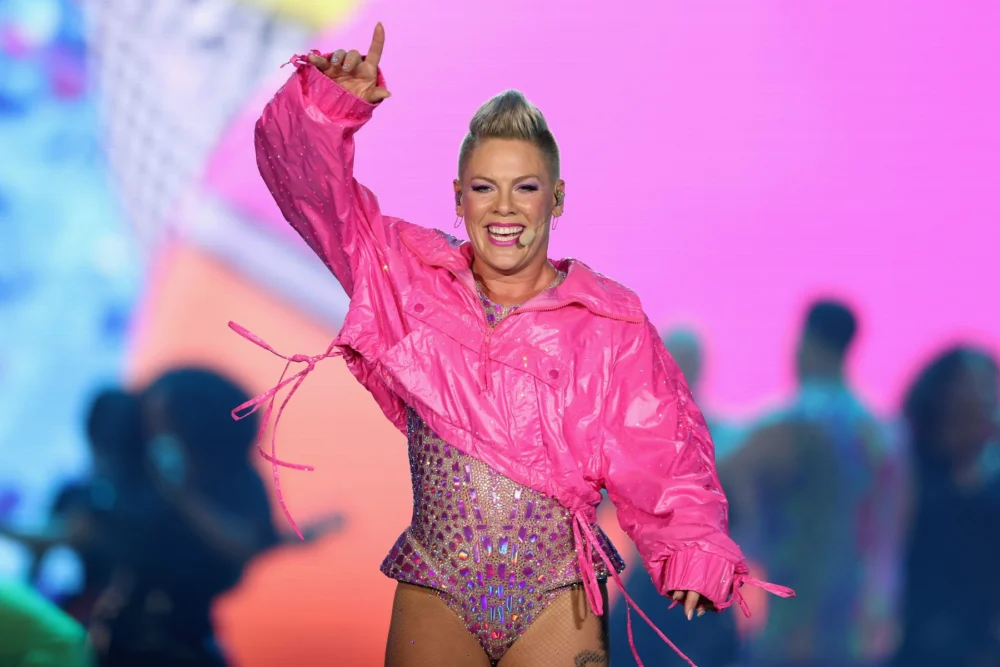
The Rock & Roll Hall of Fame’s evolving definition of "rock and roll" has opened the door for a slate of nominees that could represent one of its most pop-centric inductions to date, with megastars P!nk, Mariah Carey, and Shakira leading a diverse group of contenders for the Class of 2026. The list, which also features enduring R&B group New Edition and celebrated singer-songwriter Lauryn Hill, signals a continued embrace of artists whose impact transcends traditional genre boundaries. This year’s nominees underscore the Hall of Fame’s increasing willingness to recognize artists who have achieved massive success and cultural influence through genres like pop, R&B, and hip-hop, fundamentally broadening the scope of what "rock and roll" can encompass in the modern music landscape.
A Shifting Landscape for Rock Hall Inductees
For decades, the Rock & Roll Hall of Fame has been a subject of debate regarding its eligibility criteria and the artists it chooses to honor. Initially conceived to celebrate pioneers of rock music, the institution has gradually expanded its purview, acknowledging the interconnectedness of musical genres and the influence of various styles on the evolution of popular music. This expansion has seen the induction of artists from hip-hop, such as Jay-Z, and pop icons like Madonna, reflecting a broader understanding of music history and cultural significance. The current slate of nominees for the Class of 2026 further exemplifies this trend, with artists whose careers have been defined by chart dominance and global appeal in genres far removed from early rockabilly or blues.
The inclusion of P!nk, a powerhouse performer known for her acrobatic stage shows and anthemic pop-rock hits, alongside Mariah Carey, a vocal virtuoso whose R&B-infused pop ballads have shattered records, and Shakira, a global superstar renowned for her fusion of Latin rhythms with pop and rock sensibilities, highlights the Hall’s commitment to celebrating artistry across the spectrum of popular music. These artists, while perhaps not embodying the stereotypical image of a rock musician, have each carved out indelible legacies through their songwriting, performance prowess, and significant commercial success, influencing generations of musicians and fans.
The Nominees Making Waves for the Class of 2026
The Rock & Roll Hall of Fame announced its list of nominees for the Class of 2026, sparking considerable discussion among music enthusiasts and critics about the potential makeup of the incoming class. Beyond the prominent pop figures, the ballot includes a strong contingent of artists with deep roots in R&B and soul. New Edition, the beloved Boston-bred group that rose to fame in the 1980s with their smooth harmonies and infectious dance tracks, represents a significant nod to the enduring appeal of classic R&B. Their nomination acknowledges a career marked by consistent hits and a dedicated fanbase that spans decades.
Adding further weight to the R&B and hip-hop influences, Lauryn Hill is also among the nominees. A singular talent, Hill achieved monumental success as a member of The Fugees and later with her critically acclaimed solo album, The Miseducation of Lauryn Hill. Her work, which masterfully blended hip-hop, soul, and reggae, earned her multiple Grammy Awards and cemented her status as a visionary artist. Her nomination is seen by many as a long-overdue recognition of her profound impact on modern music.
The list also features Phil Collins, a legendary drummer and vocalist with a prolific career both as a solo artist and with the progressive rock band Genesis. Collins’s transition from the intricate soundscapes of Genesis to a more pop-oriented solo career, marked by massive global hits, showcases his versatility and widespread appeal. His inclusion further broadens the potential genre mix for the Class of 2026.
"Pop Shop Podcast" Discusses Nominee Odds and Industry Trends
The implications of this diverse nominee pool were a central topic on the latest episode of the Billboard Pop Shop Podcast. Hosts Katie and Keith delved into the significance of the nominees, particularly the strong presence of pop artists, and discussed the potential impact on the Rock & Roll Hall of Fame’s narrative. They highlighted the ongoing conversation about how the definition of "rock and roll" has expanded to encompass a wider range of musical excellence.
The podcast also featured insights from Billboard colleague Andrew Unterberger, who provided analysis on the voting odds for each nominee. This discussion offers listeners a deeper dive into the competitive landscape of the Hall of Fame induction process and the factors that might influence the final selections. The conversation on the "Pop Shop Podcast" underscores the industry’s recognition of the shifting cultural tides in music and the evolving criteria for enduring legacy.
Broader Industry Trends and Chart Dominance
Beyond the Rock Hall discussions, the Billboard Pop Shop Podcast also touched upon significant trends in the music industry, notably the increasing dominance of country music on the charts. For the first time in history, both the No. 1 spot on the Billboard Hot 100 and the No. 1 position on the Billboard 200 albums chart were occupied by country artists. Ella Langley’s "Choosin’ Texas" returned to the top of the Hot 100, while Megan Moroney secured her first No. 1 album on the Billboard 200 with Cloud 9.
This development signifies a powerful moment for female artists within the country music genre, demonstrating their growing influence and commercial success on a national scale. It reflects a broader shift in popular music consumption, where country artists are not only topping genre-specific charts but are also achieving mainstream crossover success. The conversation on the podcast serves as a reminder that while the Rock & Roll Hall of Fame may be grappling with its legacy, the current music landscape is continuously being shaped by a diverse array of artists and genres.
The Evolving Definition of "Rock and Roll"
The Rock & Roll Hall of Fame’s journey from its inception in 1986 to its current iteration has been marked by a consistent, albeit sometimes contentious, evolution. Initially, the focus was on artists who were instrumental in the birth and development of rock music, drawing heavily from blues, R&B, and country roots. However, as the music industry diversified and globalized, the Hall of Fame faced increasing pressure to reflect the broader impact of popular music on culture.
The inclusion of disco, funk, and soul artists in the 1990s began to signal this shift. The 2000s saw the induction of more hip-hop pioneers, and the 2010s continued this trend with significant pop and electronic music figures entering the ranks. This expansion is not merely about broadening the genre base but also about acknowledging the cultural and societal impact these artists have had. For example, artists like P!nk, Mariah Carey, and Shakira have not only sold millions of records but have also become cultural touchstones, influencing fashion, social movements, and the very way music is consumed and experienced globally.
Significance of Pop Superstars in Rock Hall Discussions
The presence of P!nk, Mariah Carey, and Shakira on the nominee list for the Class of 2026 is particularly noteworthy. These artists represent the pinnacle of commercial success in the modern pop era, each boasting decades-long careers characterized by consistent hit-making and massive global tours. Their potential induction would further solidify the Rock & Roll Hall of Fame’s embrace of artists who have achieved legendary status through pop music, a genre often perceived as distinct from rock.
P!nk, with her high-energy performances and emotionally resonant lyrics, has consistently defied easy categorization, blending rock anthems with pop sensibilities. Mariah Carey, often dubbed the "Queen of Christmas" and renowned for her five-octave vocal range, has built a career on R&B-tinged pop ballads that have defined an era. Shakira, a Colombian superstar, has achieved unparalleled success as a global ambassador for Latin music, masterfully fusing diverse musical influences into a uniquely captivating sound.
Their nominations, alongside established figures like Phil Collins and impactful artists like Lauryn Hill and New Edition, suggest a deliberate effort by the nominating committee to curate a class that reflects the multifaceted nature of popular music’s history and its ongoing evolution. This approach aims to make the Hall of Fame more inclusive and representative of the diverse artists who have shaped the global music landscape.
The Role of the Billboard Pop Shop Podcast
The Billboard Pop Shop Podcast, hosted by Katie Atkinson and Keith Caulfield, has become a crucial voice in dissecting and analyzing the weekly happenings on the Billboard charts and within the broader music industry. The podcast’s format, which blends chart analysis with discussions on industry trends and artist news, provides a valuable platform for understanding the forces shaping popular music.
Their recent episode, focusing on the Rock & Roll Hall of Fame nominees, demonstrates the podcast’s commitment to engaging with significant industry events. By bringing in expert analysis from Billboard’s own Andrew Unterberger, the hosts offer listeners a comprehensive look at the nomination process, the strengths of each contender, and the potential outcomes. This type of commentary is essential for contextualizing the importance of Hall of Fame inductions within the larger narrative of music history. The podcast’s role extends beyond mere reporting; it actively contributes to the ongoing conversation about artistic merit, industry recognition, and the evolving definition of musical legacy.
Public Reaction and Future Implications
The announcement of the Rock & Roll Hall of Fame nominees invariably sparks passionate debate among fans and critics alike. The potential induction of artists like P!nk, Mariah Carey, and Shakira is likely to be met with both enthusiastic support and some traditionalist objections. Supporters will argue that these artists have achieved unparalleled levels of success, innovation, and cultural impact, warranting their place among music’s greatest legends. Detractors may continue to question whether artists primarily associated with pop music fit the historical mandate of a "Rock & Roll" Hall of Fame.
However, the trend towards broader genre inclusion suggests that the Hall of Fame is adapting to the realities of the contemporary music industry. The success of artists like Ella Langley and Megan Moroney in country music, as highlighted on the Pop Shop Podcast, further illustrates how the definition of mainstream appeal is constantly shifting. The Rock & Roll Hall of Fame’s willingness to recognize artists who have achieved massive success and cultural resonance, regardless of genre, is a testament to its ongoing effort to remain relevant and reflective of music’s ever-expanding universe. The Class of 2026 promises to be a significant chapter in this ongoing evolution, potentially redefining what it means to be inducted into one of music’s most prestigious institutions.