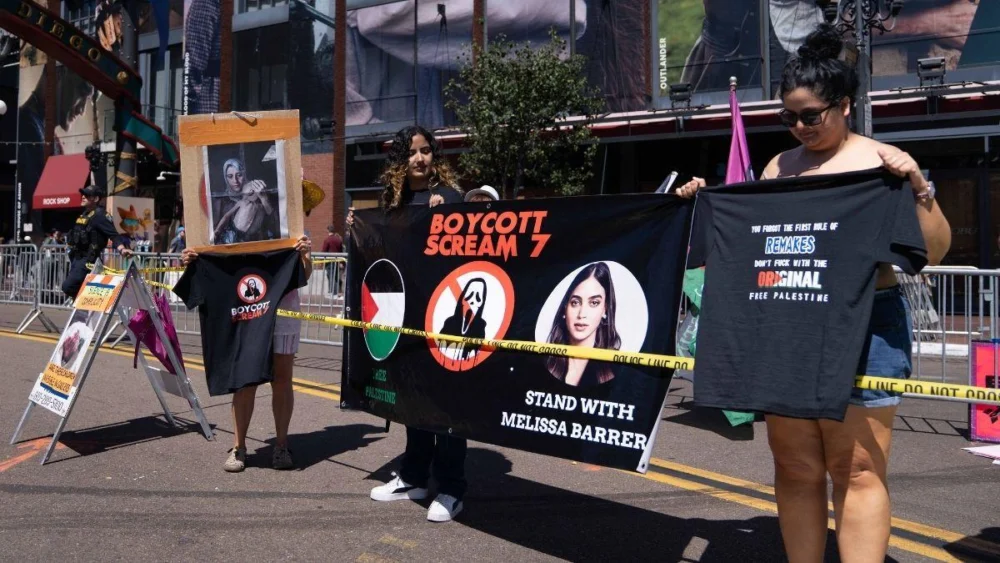
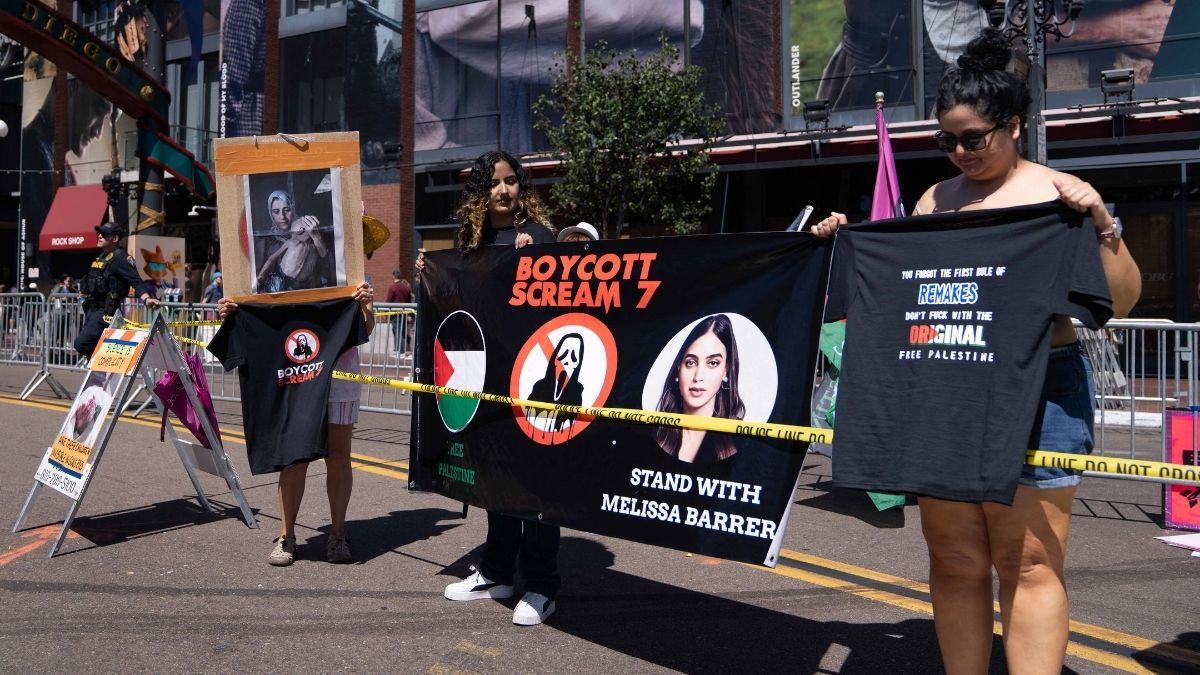
The red carpet event for the highly anticipated horror sequel, Scream 7, was overshadowed by vocal protests outside Paramount Pictures Studios in Los Angeles on Wednesday, February 25, 2026. Demonstrators gathered to call for a boycott of the film and its parent company, Paramount+, citing the controversial 2023 firing of actress Melissa Barrera from the franchise. The incident has ignited a broader debate within Hollywood regarding artists’ freedom of expression and corporate responses to politically charged statements.
Roughly two dozen protestors assembled around the studio lot, wielding Palestinian flags and brandishing signs with pointed messages. Among the placards were "Paramount has a BLACKLIST of actors who criticize Israel" and "Cancel Paramount+." Eyewitness accounts reported chants such as "Paramount, Paramount, what do you say?" and "Palestine will live forever!" echoing near the entrance, creating a stark contrast to the usual celebratory atmosphere of a major film premiere. The visible display of dissent highlighted the deep divisions and strong sentiments surrounding the conflict in the Middle East and its repercussions in the entertainment industry.
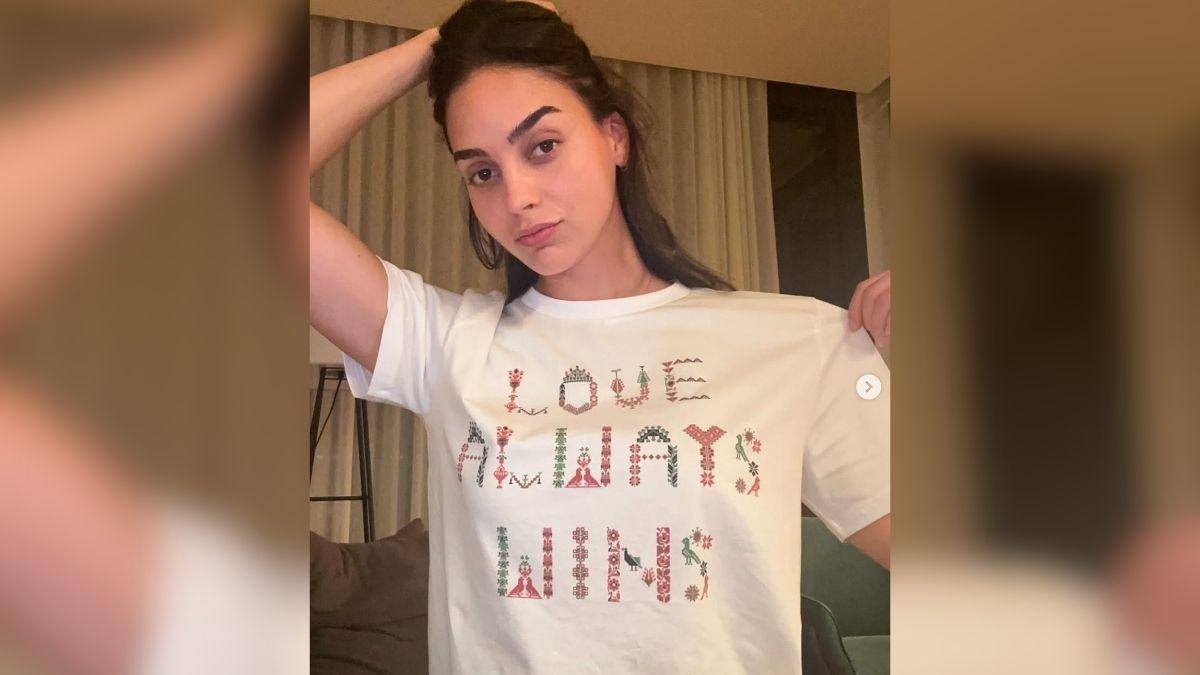
The core of the controversy stems from the dismissal of Melissa Barrera, who had become a central figure in the revitalized Scream franchise, starring as Sam Carpenter in 2022’s Scream and 2023’s Scream VI. Her firing in November 2023 followed a series of posts she shared on her Instagram account, which criticized Israel’s actions in Gaza in the wake of the October 7, 2023, Hamas attacks.
In one notable post, Barrera wrote, "Gaza is currently being treated like a concentration camp." Another post suggested a bias in media coverage, stating, "Western media only shows the [Israeli] side. Why do they do that, I will let you deduce for yourself." These comments, made during a period of intense global scrutiny and heightened sensitivities surrounding the conflict, quickly drew widespread attention and sparked heated discussion online.
Spyglass Media Group, the production company behind the Scream franchise, responded decisively to Barrera’s remarks. In an official statement released shortly after her posts gained traction, the company declared, "Spyglass’ stance is unequivocally clear: We have zero tolerance for antisemitism or the incitement of hate in any form, including false references to genocide, ethnic cleansing, Holocaust distortion or anything that flagrantly crosses the line into hate speech." The studio’s swift action underscored the entertainment industry’s precarious position in navigating geopolitical conflicts and managing the public images of its talent.

Following her dismissal, Barrera issued a clarifying statement on her Instagram, asserting, "First and foremost I condemn Anti-Semitism and Islamophobia. I condemn hate and prejudice of any kind against any group of people." She concluded her statement with a firm stance on her right to speak out, adding, "Silence is not an option for me." Her remarks reflected the complex tightrope many public figures walk between personal conviction and professional obligations, particularly when those convictions touch upon contentious global issues.
The controversy surrounding Barrera’s firing sent shockwaves through the Scream production, leading to a cascade of departures that fundamentally reshaped Scream 7. Just days after Barrera’s exit, her co-star Jenna Ortega, who played her sister Tara Carpenter, also announced her departure from the film. Ortega later publicly stated, "If Scream 7 wasn’t going to be with that team of directors and those people I fell in love with, then it didn’t seem like the right move for me in my career at the time." While her statement did not explicitly link her decision to Barrera’s firing, it occurred amidst the significant turmoil plaguing the production, suggesting a broader loss of creative alignment or discomfort with the evolving circumstances.
Further compounding the challenges, original Scream 7 director Christopher Landon stepped down from the project. Landon later revealed the intense pressure he faced, disclosing that he had received "death threats" in connection with the film’s production. This unprecedented series of exits left the future of Scream 7 uncertain, raising questions about the viability and direction of the long-running horror series. The departures of its two new lead actresses and its director necessitated a complete creative overhaul, placing the franchise in an unprecedented state of flux.
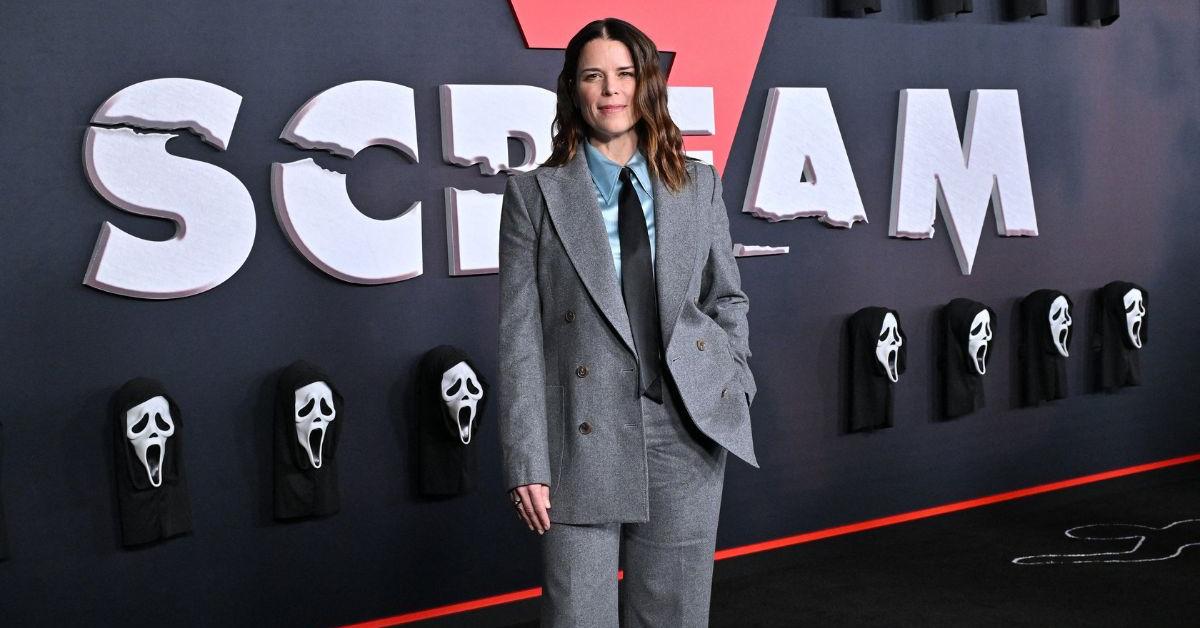
In an effort to stabilize the embattled production and reassure its dedicated fanbase, Spyglass Media Group managed to secure the return of franchise icon Neve Campbell, reprising her role as Sidney Prescott. Campbell’s rejoining of the cast, after her absence from Scream VI due to a salary dispute, was a significant development aimed at injecting a sense of legacy and continuity back into the film. She was subsequently joined by other beloved veterans of the series, including Courteney Cox, David Arquette, and Matthew Lillard, effectively bringing back the original core cast to anchor the new installment. This move was widely seen as an attempt to mitigate the damage from the earlier controversies and leverage fan nostalgia.
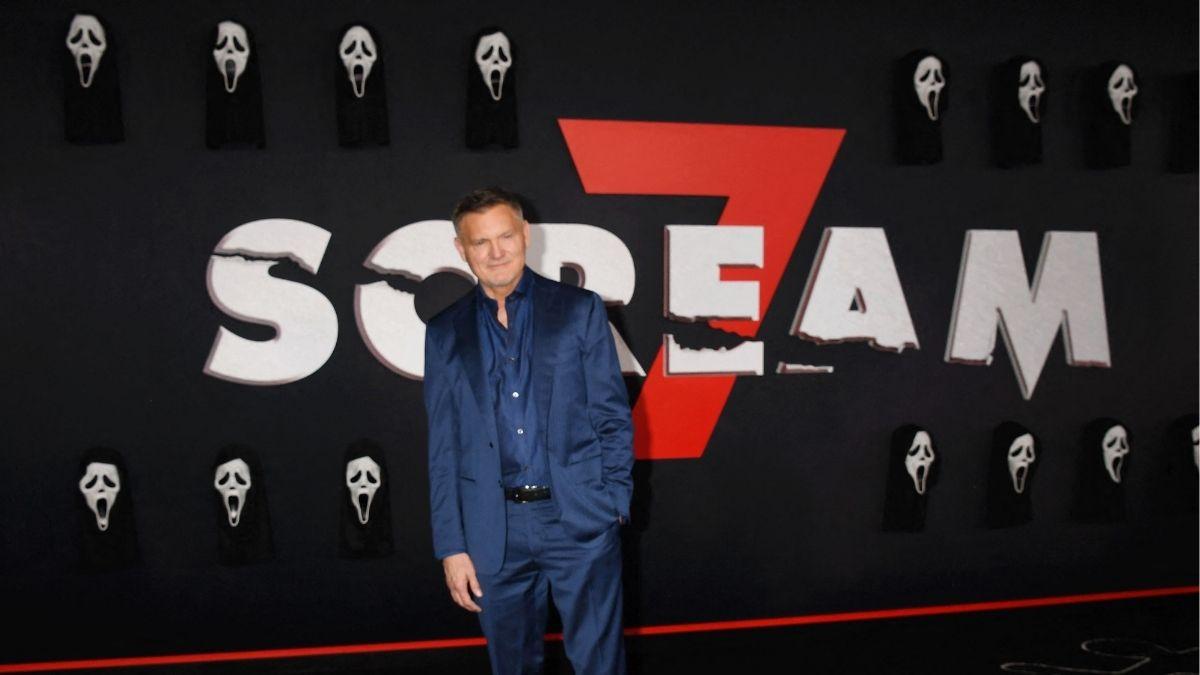
On the night of the Scream 7 premiere, director Kevin Williamson, a storied figure in the Scream universe as the franchise’s creator and screenwriter for several installments, addressed the protests while walking the red carpet. His comments offered a nuanced perspective on the demonstrations. "I saw them and my heart just sort of stopped," Williamson told The Hollywood Reporter. He then affirmed his belief in democratic rights: "Look, we live in America. Everyone has a right to protest and everyone should be heard. And if you have your truth and if you want to stand up and be heard, you protest. That is your right in this country, and I stand by it. I support that 100 percent."
Speaking to Variety, Williamson further elaborated on his views regarding the protests targeting the Scream 7 premiere. "We live in a world where a lot of bad things are happening out there, and I think a lot of people want to be heard and they want to have their voice heard about the bad stuff that’s happening," he said, acknowledging the underlying motivations of the demonstrators. However, he expressed some reservations about the target of the boycott: "My heart goes out to them. I don’t know if canceling Paramount+ is the way to do it. But I think people should listen to their inner self and do what feels good for them." His remarks underscored the tension between supporting free expression and the practical implications for film projects and studios.
The protests at the Scream 7 premiere and the preceding events involving Melissa Barrera highlight a critical and evolving challenge for the entertainment industry: how to manage the political activism of its talent in an increasingly polarized world. The incident has reignited discussions about "cancel culture," freedom of speech versus contractual obligations, and the role of corporations in policing the personal opinions of their employees, especially when those opinions are shared on public platforms like social media. Studios are often caught between protecting their brand image and navigating the diverse political landscapes of their global audiences and creative teams.
Despite the significant internal strife and public controversy, Scream 7 officially hit theaters on Friday, February 27, 2026. Initial projections estimate a global opening weekend gross of approximately $60 million. This figure will be closely watched by industry analysts to gauge the extent to which the pre-release drama impacted the film’s commercial performance. The box office results will offer a tangible measure of whether audiences prioritize the franchise’s legacy, the political stance of its former stars, or the broader societal conversations that have surrounded this unprecedented production. The turbulent journey of Scream 7 stands as a potent case study in the intersection of art, commerce, and contemporary geopolitics.