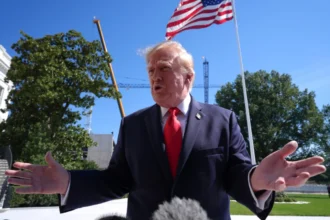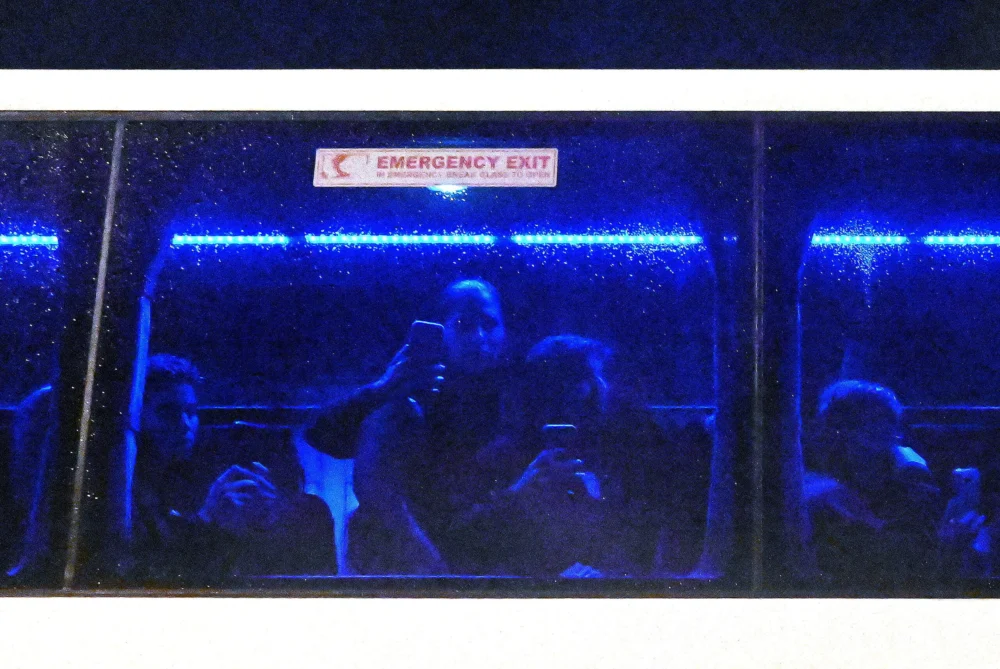
U.S. President Donald Trump announced Monday that Australia has provided assistance to five members of Iran’s women’s national football team who had expressed concerns about potential repercussions upon their return home for not participating in their national anthem. Trump stated he had discussed the "delicate situation" with Australian Prime Minister Anthony Albanese, who he described as being "on it."
Concerns Mount for Iranian Athletes
The intervention by the former U.S. president comes amid growing international scrutiny of the Iranian team’s situation following their participation in the AFC Women’s Asian Cup 2026 held in Queensland, Australia. Reports emerged late Monday indicating that five players had sought protection from Australian authorities, raising serious questions about their safety and potential treatment by the Iranian regime.
Trump, who is currently engaged in a geopolitical conflict with Iran alongside ally Israel, used his social media platform to declare that "Five have already been taken care of, and the rest are on their way." He also noted that some players felt compelled to return due to concerns for their families’ safety, citing threats against relatives if they did not comply.
Seeking Asylum in Australia
Local media reports, corroborated by government sources in Australia, suggested that the five players had "broken free" after the tournament concluded. These reports indicated they were under the protection of the Australian Federal Police and were seeking assistance from the Australian government. The urgency of the situation was underscored by the reported travel of Australia’s Home Affairs Minister, Tony Burke, to Brisbane to meet with the players.
Earlier in the day, Trump had publicly urged Prime Minister Albanese to grant asylum to the entire Iranian women’s football team. He warned that failing to do so would be a "terrible humanitarian mistake," suggesting they would face severe danger, including the possibility of being killed, if forced to return to Iran. The Iranian team was eliminated from the tournament on Sunday after a final group stage loss to the Philippines.
Political Tensions and Athlete Dissent
The Iranian team’s presence in Australia coincided with heightened international tensions, as the U.S. and Israel launched air strikes on Iran on February 28, a period that also saw the reported death of Iran’s Supreme Leader, Ali Khamenei. This backdrop amplified the significance of the players’ actions.
The team’s initial decision to remain silent during Iran’s national anthem before their opening match against South Korea drew sharp criticism within Iran. A commentator on Islamic Republic of Iran Broadcasting condemned the act as the "pinnacle of dishonor." This initial act of dissent immediately ignited concerns about the potential backlash the players might face.
Coercion or Genuine Patriotism?
Following the controversial anthem incident, the Iranian women’s football team was observed singing the anthem and saluting before their subsequent match against Australia. This shift in behavior fueled fears among human rights advocates and observers, who suspected the players might have been coerced by government minders. Reports indicated that the players were accompanied by escorts throughout their time in Australia, raising questions about their autonomy.
The global players’ union, FIFPRO, had previously voiced significant concerns regarding the welfare of the Iranian team. In a statement released earlier on Monday, FIFPRO highlighted the anxieties surrounding the team’s impending return home, especially after they had been controversially labeled "wartime traitors" by some Iranian media outlets. The union emphasized the need for assurances regarding the players’ safety and well-being.

Australian Government’s Cautious Response
When questioned about the possibility of granting asylum to the players, Australia’s Assistant Minister for Foreign Affairs and Trade, Matt Thistlethwaite, adopted a guarded stance. He told Reuters that the government could not "go into individual circumstances for privacy reasons." This response suggests a deliberate and careful approach by the Australian government in handling such a sensitive international matter.
Both the Australian Federal Police and Queensland Police have declined to comment on the unfolding situation, adhering to protocol in ongoing investigations or sensitive diplomatic affairs. The lack of official statements from law enforcement agencies further adds to the uncertainty surrounding the exact number of players seeking asylum and the specific nature of their requests.
The Broader Context of Women’s Football in Iran
The plight of the Iranian women’s football team highlights the complex interplay between sports, politics, and human rights. Women’s football in Iran has faced significant challenges, including limited resources, societal restrictions, and political interference. Despite these obstacles, the national team has achieved notable successes, earning respect on the regional stage.
The AFC Women’s Asian Cup serves as a crucial platform for these athletes to showcase their talent and compete at an international level. However, their participation has become inextricably linked to the broader political climate in Iran and the government’s response to any perceived dissent. The players’ decision to not sing the anthem, whether a spontaneous act of protest or a coordinated statement, has brought their situation into the global spotlight.
International Pressure and Human Rights Implications
The intervention by Donald Trump underscores the international dimension of this crisis. His direct appeal to the Australian Prime Minister signifies the level of global attention this case has garnered. Such high-profile attention can often create leverage for human rights advocacy and potentially influence governmental decisions.
The situation also raises critical questions about the role of international sporting bodies like FIFA and the AFC in ensuring the safety and fair treatment of athletes. While FIFPRO has expressed its concerns, the broader international football community is now watching closely to see how the situation evolves and what measures, if any, will be taken to protect the players. The incident serves as a stark reminder of the risks faced by athletes who find themselves caught in the crosshairs of political unrest.
The Uncertainty of Return
The fear of reprisal upon returning to Iran is a central theme in this developing story. The Iranian regime has a history of suppressing dissent, and individuals perceived as disloyal or defiant often face severe consequences. For these female athletes, the potential risks extend beyond personal repercussions to endanger their families, adding another layer of complexity to their decision-making process.
The fact that some players reportedly feel they "must go back" due to family concerns paints a grim picture of the pressures they are under. This internal conflict—between personal safety and the potential danger to loved ones—is a profound ethical and emotional dilemma for the athletes. It underscores the difficult choices individuals often face in authoritarian states.
Next Steps and Unanswered Questions
As the situation unfolds, several key questions remain unanswered. It is not publicly known which specific members of the team are seeking asylum in Australia, nor the precise nature of the threats they fear. The Australian government’s commitment to privacy means that detailed information about individual cases is unlikely to be released.
However, the confirmed involvement of high-ranking government officials and the reported protection by the Federal Police indicate that Australia is taking the matter with the utmost seriousness. The coming days and weeks will likely reveal more about the Australian government’s ultimate decision regarding asylum requests and the broader implications for Iran’s international sporting relations. The global football community, human rights organizations, and political observers will be closely monitoring these developments.