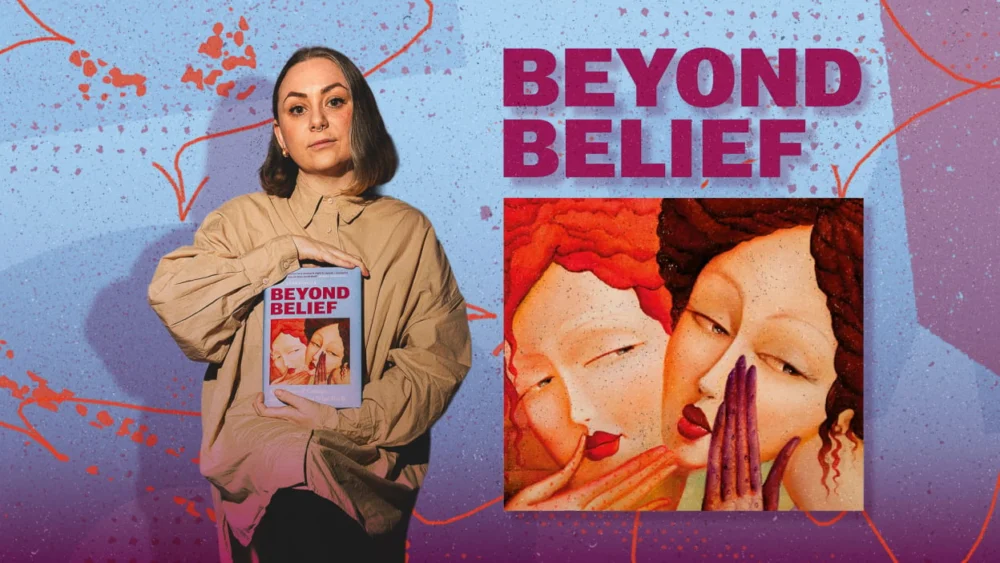
When a United Kingdom-based influencer and writer known as Lauren conducted a routine search for her professional work in 2020, she encountered a digital subculture dedicated to the systematic deconstruction of her personal and professional identity. The discovery of a dedicated thread on Tattle Life, an internet forum notorious for hosting aggressive commentary on public figures, marked the beginning of a psychological ordeal that would eventually alter her behavior both online and in her private life. Lauren’s experience is not an isolated incident but rather a window into a sprawling ecosystem of online harassment that has recently faced significant legal and social scrutiny.
Tattle Life operates as a commentary platform where users discuss social media personalities, ranging from global celebrities to "micro-influencers" with relatively small followings. While the site’s moderators frame the forum as a space for "critiques of people that choose to monetize their personal life," critics and victims describe it as a "troll’s paradise." The platform has become a focal point for discussions regarding the boundaries of free speech, the ethics of the creator economy, and the devastating impact of organized cyberbullying.
The Rise of Tattle Life and the Culture of Systematic Harassment
Tattle Life has built its reputation on the granular analysis of influencers’ lives. Users frequently engage in behaviors that go beyond mere criticism, venturing into territory often described as slut-shaming, victim-blaming, and body-shaming. The platform’s structure allows for the creation of long-running threads where every post, photo, and video shared by a creator is dissected by anonymous commenters. For many subjects of these threads, the experience of finding their name on the site is a moment of profound personal crisis.
The platform’s "About" section, historically managed by a moderator using the pseudonym "Helen," defended the site’s existence as a necessary component of a "healthy and free society." The defense rested on the premise that individuals who treat their personal lives as a business entity must be subject to public accountability. However, the reality for those on the receiving end of this "accountability" often involves a relentless barrage of personal insults and the fabrication of damaging narratives.
Research into the motivations of these online communities suggests that they often deploy a specific feminine gender identity to legitimize their actions. By framing their commentary as "gossip" or "mean-girl behavior," users can minimize the perceived harm of their posts. This sociological framing suggests that the community views itself as a group of persecuted victims speaking truth to power, even when the targets are individuals with significantly less social or financial capital than traditional celebrities.
I Googled My Name and Found Thousands of Strangers Tearing Me Apart: The Lauren Case Study
For Lauren, the discovery of her Tattle Life thread felt like an inevitability that she had dreaded for years. As she read through the posts, she found that the language used against her was deeply personal and increasingly hostile. The content targeted her partner, her parents, her clothing choices, and her physical appearance. The experience was so distressing that she eventually felt the need to "shield the screen" whenever she performed a search of her own name to avoid the mental health toll of new weekly insults.
The harassment began to dictate Lauren’s professional output and daily routines. She found herself tailoring her content to appease her anonymous critics, a phenomenon that highlights the coercive power of organized online hate. If commenters remarked that she looked "ugly" while speaking directly to the camera on Instagram, she would stop producing that type of content. If they criticized her wardrobe, she would stop purchasing from specific retailers to avoid further scrutiny.

This pressure to conform was particularly jarring for Lauren, who had previously developed a level of resilience toward trolls. As a plus-sized, dark-skinned woman vocal about body image, she was accustomed to facing fatphobic and misogynistic commentary from traditional trolls. However, the attacks on Tattle Life felt different because they targeted her character and her perceived "niceness." The realization that some of the specific details shared on the forum could only have come from someone in her personal circle led to a profound sense of betrayal and a subsequent withdrawal from her social life.
Psychological Consequences of Digital Surveillance
The impact of being "torn apart" by thousands of strangers extends far beyond temporary emotional distress. Psychologists and digital safety experts note that the type of persistent, organized surveillance found on forums like Tattle Life can lead to symptoms consistent with post-traumatic stress disorder (PTSD), anxiety, and depression. The "Right to be Forgotten" is a concept that has gained traction in European and UK law, but the persistence of search engine results makes it difficult for victims to escape their digital shadows.
In Lauren’s case, the harassment forced her to put distance between herself and others, citing a total loss of trust in her community. This social isolation is a common outcome for victims of doxxing and organized harassment. When an individual’s personal history, family details, and physical insecurities are weaponized in a public forum, the distinction between the "online world" and "real life" disappears.
Furthermore, the "accountability" argument used by forum moderators often fails to account for the power imbalance between an anonymous mob and an individual creator. While influencers do profit from their public personas, the level of vitriol directed at them often exceeds any reasonable definition of consumer feedback. The psychological toll is exacerbated by the fact that these forums are often indexed by search engines, ensuring that the first thing a potential employer, partner, or friend sees when searching for an individual is a collection of curated hate.
The Unmasking of Sebastian Bond and the Fall of Helen McDougal
For years, the prevailing assumption was that Tattle Life was a platform created by women, for women. The moderator known as "Helen McDougal" was the face of the site’s administration, reinforcing the "mean-girl" narrative that the site’s founders used as a shield. However, a landmark revelation in 2025 dismantled this persona. It was revealed that the founder of Tattle Life was actually Sebastian Bond, a 42-year-old vegan food influencer.
The unmasking of Bond changed the conversation surrounding the site’s intent and operations. The fact that a man had been operating a platform that primarily targeted women while hiding behind a female pseudonym suggested a level of calculated deception that went beyond simple "gossip." This revelation underscored the "internally contradictory" ways the site’s leadership used gender to minimize the power of their community to do harm.
Bond’s identity was made public following a significant legal battle. Neil and Donna Sands, two individuals who had been targeted by the site, filed a lawsuit for defamation and harassment. The case challenged the notion that the anonymous nature of internet forums provided a permanent shield for their owners. The Sands were eventually awarded £300,000 (approximately $380,000) in damages, a verdict that sent shockwaves through the world of digital moderation.
Legal Accountability and the £300,000 Defamation Landmark
The Sands v. Tattle Life case represents a turning point in the regulation of online commentary platforms. For decades, section 230 of the Communications Decency Act in the United States and similar "safe harbor" provisions in the UK and EU protected platform owners from being held liable for content posted by their users. However, the Sands case focused on the platform’s failure to moderate "abusive, hateful, and harmful" content, despite claims that such a service was in place 24/7.

Legal experts suggest that this ruling could pave the way for more victims to seek justice against forum owners who profit from harassment. The financial penalty imposed on Bond served as a recognition of the tangible harm caused by organized cyberbullying. It also highlighted the responsibility of platform owners to move beyond performative moderation and take active steps to protect the subjects of their threads.
The case also brought attention to the "anonymity" of the users. While Bond was the one held financially responsible as the owner, the legal proceedings demonstrated that anonymity is not absolute. When harassment reaches the level of criminal behavior or significant civil defamation, courts have the power to compel platforms to release user data, including IP addresses and registration details.
Broader Implications for the Global Influencer Industry
The saga of Tattle Life and the experiences of victims like Lauren have broader implications for the global influencer industry, which is currently valued at billions of dollars. As more individuals seek to monetize their lives on platforms like TikTok, Instagram, and YouTube, the risks associated with public visibility are becoming more acute. The "I googled my name and found thousands of strangers tearing me apart" phenomenon is now a standard risk assessment for anyone entering the creator economy.
This environment has led to a shift in how influencers interact with their audiences. Many are now opting for "walled gardens" or subscription-based platforms like Patreon and Substack, where they can have more control over their community and moderate comments more effectively. The era of the "unfiltered" influencer may be coming to an end as creators realize that every detail shared can be archived and weaponized by anonymous forums.
Industry analysts also point to the need for better support systems from the major social media platforms themselves. While Tattle Life is a third-party site, the content that fuels its threads is often sourced from Instagram and TikTok. There are growing calls for these platforms to do more to protect their "assets"—the creators who drive engagement—from the spillover effects of external harassment sites.
The Future of Digital Privacy and Online Safety
The ongoing debate over Tattle Life is part of a larger global movement toward stricter online safety regulations. In the UK, the Online Safety Act aims to hold tech companies more accountable for the content on their platforms, with a specific focus on protecting users from harassment and illegal content. In the United States, various states have introduced legislation aimed at curbing cyberbullying and providing victims with better recourse for doxxing.
However, the battle against sites like Tattle Life remains a "cat-and-mouse" game. When one thread is moderated or one forum is shut down, others often emerge in more unregulated corners of the internet. The "Right to be Forgotten" remains difficult to enforce across international borders, and the demand for "gossip" and "accountability" continues to drive high traffic to these sites.
For Lauren and others like her, the damage is often permanent. Even if a thread is deleted, the memory of those thousands of strangers "tearing them apart" remains. The shift from a culture of anonymous impunity to one of legal accountability is underway, but for many, the psychological cost of the digital age has already been paid. The unmasking of Sebastian Bond and the landmark Sands judgment serve as a warning to forum owners, but they also serve as a somber reminder of the vulnerability of individuals in an era of total digital transparency.