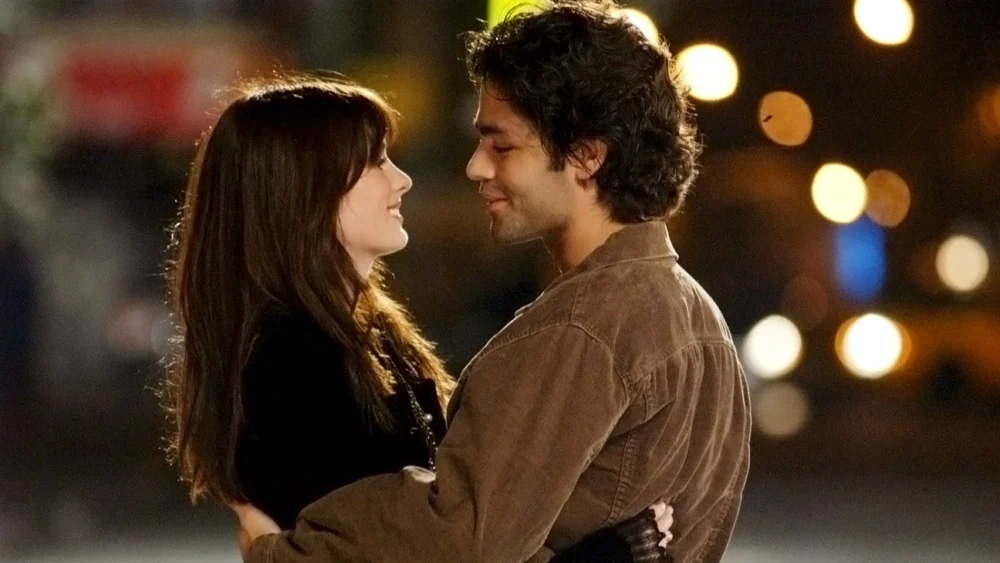
Adrian Grenier, known for his role as Nate, the often-criticized boyfriend of Anne Hathaway’s Andy Sachs in the original 2006 film The Devil Wears Prada, has publicly expressed his disappointment at not being asked to return for the highly anticipated sequel. In a recent interview, Grenier attributed his exclusion from The Devil Wears Prada 2 to the significant negative fan reaction that his character, Nate, has garnered over the years, marking his first direct statement on the matter. This revelation comes as excitement builds for the sequel, which is set to bring back several beloved cast members, including Meryl Streep as the iconic Miranda Priestly, Emily Blunt as Emily Charlton, and Stanley Tucci as Nigel Kipling.
The Enduring Legacy of ‘The Devil Wears Prada’ and Nate’s Role
The original The Devil Wears Prada film, directed by David Frankel, captivated audiences with its sharp wit, stunning fashion, and a compelling narrative centered on aspiring journalist Andrea "Andy" Sachs. Andy, fresh out of Northwestern University, lands a coveted but grueling job as a junior assistant to Miranda Priestly, the formidable editor-in-chief of the fictional Runway magazine. Her journey from an unassuming newcomer to a sophisticated, albeit conflicted, fashion insider formed the core of the story, adapted from Lauren Weisberger’s best-selling novel. Throughout Andy’s transformative experience, her relationship with Nate, a chef, served as a grounding, if increasingly strained, element of her personal life.
Nate’s character was initially presented as Andy’s supportive, live-in boyfriend, a figure meant to represent her life outside the glamorous, demanding world of fashion. However, as Andy ascended in her career and adapted to Miranda’s high-pressure environment, Nate’s perceived lack of understanding and his complaints about Andy’s dedication to her job began to rub many viewers the wrong way. His memorable line, “You used to be fun,” delivered during a pivotal scene where Andy misses his birthday dinner due to work obligations, became a flashpoint for fan criticism, solidifying his image as an unsupportive partner in the eyes of a growing segment of the audience.
The Rise of the ‘Nate Backlash’ on Social Media
Over the years, particularly with the advent and proliferation of social media platforms, the criticism of Nate’s character intensified. What began as casual viewer commentary evolved into a widespread cultural phenomenon, often encapsulated by the meme "Nate is the real villain of The Devil Wears Prada." Fans meticulously dissected Nate’s actions, highlighting instances where he seemed to prioritize his own feelings and expectations over Andy’s professional growth and demanding schedule. This re-evaluation of Nate, nearly two decades after the film’s initial release, transformed him from a seemingly sympathetic everyman into a symbol of emotional immaturity and a roadblock to female ambition.
The online discourse surrounding Nate mirrored a broader societal shift in how audiences perceive and discuss relationship dynamics in media, especially regarding women pursuing high-powered careers. Modern viewers, often empowered by feminist perspectives and a greater emphasis on equitable partnerships, found Nate’s behavior to be not just unsupportive but actively detrimental to Andy’s well-being and professional success. This collective re-adjudication of Nate’s character on platforms like Twitter, TikTok, and Reddit created a powerful, sustained narrative that influenced public perception of the film and its characters long after its theatrical run.
Grenier’s Evolving Perspective on His Character
Adrian Grenier himself was initially surprised by the vehemence of the "Nate backlash." In a 2021 interview with Entertainment Weekly, he admitted that he didn’t initially grasp the depth of the character’s shortcomings as perceived by the audience. "I didn’t see some of the subtleties and the nuance of this character and what it represented in the film until the wisdom of the masses came online and started to push against the character and throw him under the bus, and I got flak," Grenier stated at the time. This candid admission showcased an actor grappling with the public’s reinterpretation of a role he had played years prior.
He further reflected on his own past, suggesting a personal connection to Nate’s flaws. "I might’ve been as immature as him at the time, so I personally couldn’t see his shortcomings," Grenier confessed. "But after time to reflect and much deliberation, I’ve come to realize the truth in that perspective." This self-awareness from Grenier highlighted a maturity in his understanding of the character and the cultural conversation surrounding it, acknowledging the validity of the audience’s critique. This earlier acceptance of the backlash now seems to have informed his current understanding of his exclusion from the sequel.
The Sequel and the Impact of Fan Perception on Casting
The upcoming The Devil Wears Prada 2, from 20th Century Studios, is scheduled for a May 1 theatrical release, bringing back the core ensemble that made the original a cultural touchstone. The return of Meryl Streep as the formidable Miranda Priestly, Anne Hathaway as Andy Sachs, Emily Blunt as the sharp-tongued Emily Charlton, and Stanley Tucci as the beloved Nigel Kipling has generated considerable excitement. However, Grenier’s absence leaves a significant gap, particularly given Nate’s central role in Andy’s personal life in the first film.
Speaking to Page Six, Grenier directly addressed his non-return, stating, "We’re all fans of the movie, whether or not we were in it. Obviously, it was a disappointment that I didn’t get the call to be in the sequel." He then immediately connected his absence to the public’s perception of Nate. "But I also understand there was some backlash with Nate, the character, so that might have something to do with it," he explained. When pressed on whether he genuinely believed the negative public perception was the reason, Grenier responded with a laugh, "As opposed to what?" This rhetorical question underscored his conviction that the fan backlash was a significant, if not primary, factor in the casting decision.
The decision by the filmmakers to potentially omit a character due to widespread fan disapproval highlights the growing influence of social media and audience engagement in the creative process. In an era where franchises rely heavily on fan loyalty and positive sentiment, studios and directors may be more inclined to align their creative choices with prevailing public opinion, especially concerning characters who have become lightning rods for criticism. This trend reflects a broader shift in the entertainment industry, where audience feedback, once primarily gauged through box office numbers and critical reviews, now includes real-time, granular reactions across digital platforms.
Broader Implications for Character Development and Franchise Storytelling
Grenier’s experience with the “Nate backlash” and his subsequent exclusion from the sequel offers a fascinating case study in the intersection of character interpretation, fan culture, and franchise development. It prompts questions about how long-standing characters are re-evaluated through contemporary lenses and the consequences for actors and their roles. For Andy Sachs’s character, Nate’s absence in The Devil Wears Prada 2 could open up new narrative avenues, potentially allowing her to explore different relationships or focus more intensely on her career without the perceived impediment of an unsupportive partner. This could be seen as a deliberate choice by the filmmakers to acknowledge the evolution of both Andy’s character and audience expectations.
The enduring cultural impact of The Devil Wears Prada also underscores the power of specific character portrayals to spark widespread debate. Nate’s character became a symbol not just of a problematic boyfriend but of a broader conversation about gender roles, career ambition, and the sacrifices often demanded in pursuit of professional success. His removal from the sequel, if indeed motivated by public sentiment, signifies a responsiveness to these evolving cultural conversations, aiming to present a narrative that resonates more positively with a modern audience.
Looking Ahead: A Future Without Nate?
Despite his disappointment, Grenier ended his remarks with a touch of humor and optimism, suggesting a potential future for his controversial character. "Either way, it’s a disappointment, and either way, it leaves room for a beautiful spinoff in which Nate has his own film," he quipped. While said in jest, this comment hints at the actor’s continued engagement with the character and the enduring impact Nate has had on his career.
As The Devil Wears Prada 2 prepares for its release, the focus will undoubtedly shift to how Andy’s story progresses without Nate’s presence and how the returning cast members continue the legacy of the original film. Grenier’s candid reflections provide a rare glimpse into the behind-the-scenes considerations of modern filmmaking, where the echoes of online fan critiques can potentially reshape the destinies of beloved, or sometimes maligned, fictional characters. The sequel will serve as a definitive test of whether this narrative adjustment aligns with the expectations of the loyal fanbase, eager to see the next chapter in the lives of Miranda Priestly, Andy Sachs, and the ever-evolving world of Runway.