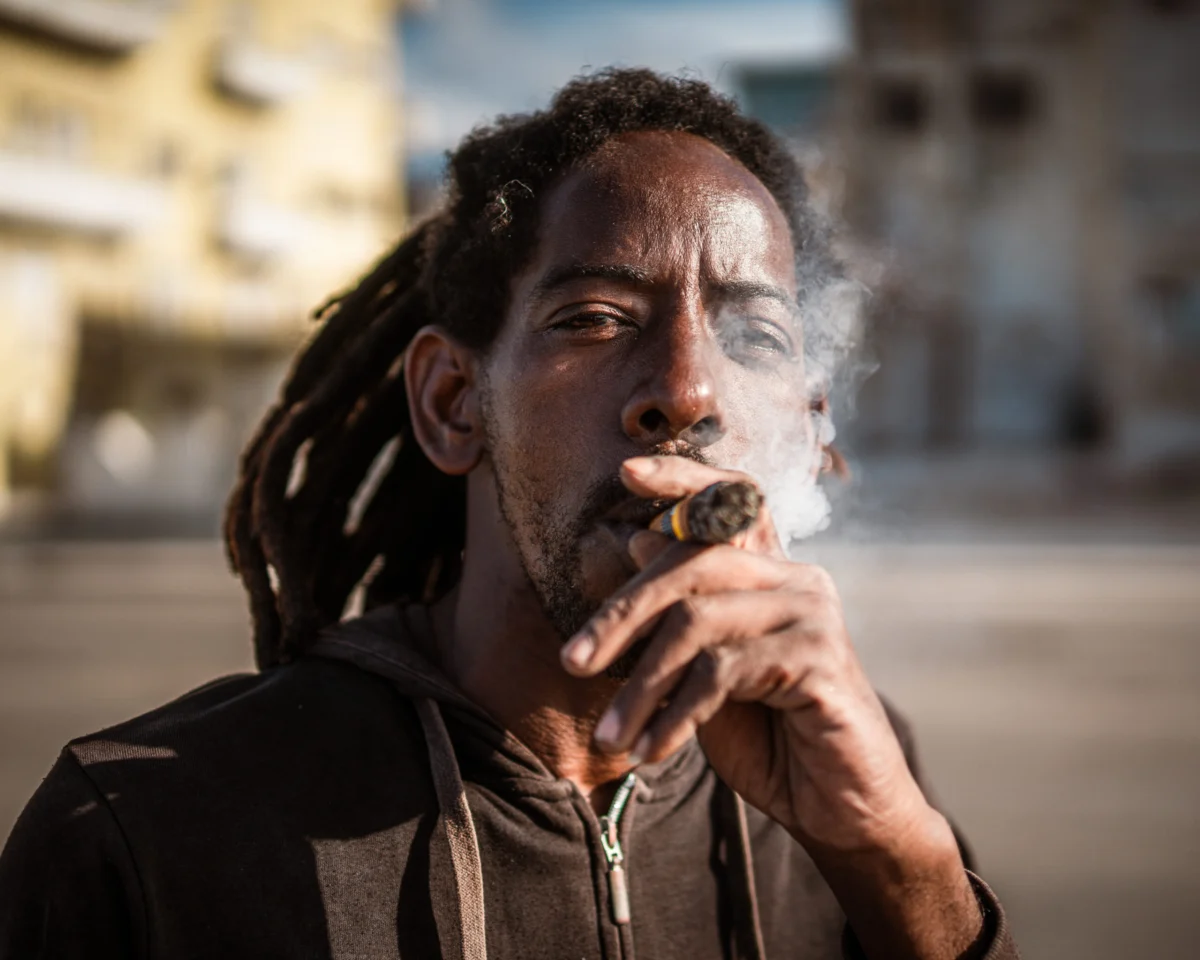
The iconic Cuban cigar, a global symbol of luxury and a cornerstone of the island nation’s economy, faces an increasingly precarious future, with the long-standing U.S. trade embargo amplifying existing vulnerabilities and threatening to choke off production and export. Despite facing a trifecta of challenges – a devastating hurricane, persistent weather-related production shortfalls, and now, potentially, intensified logistical hurdles exacerbated by U.S. policy – Cuba’s tobacco industry, particularly its famed Habanos, is grappling with an unprecedented strain. In 2024, the Cuban government reported a record revenue of nearly $827 million from tobacco sales, underscoring its vital economic importance, yet the very foundations of this lucrative trade appear to be eroding.
The Enduring Allure of the Habanos
The mystique surrounding Cuban cigars is deeply intertwined with their historical illegality in the United States. For decades, the U.S. embargo, a consequence of the 1959 Cuban Revolution and the subsequent nationalization of industries, has created an artificial scarcity that has, paradoxically, amplified their desirability on the global market. Renowned brands like Montecristo and Romeo y Julieta, once privately owned, now fall under state control, with new premium lines like Cohiba, famously favored by Fidel Castro, further cementing the cigar’s status.
Lloyd Smith, an industry observer, explained that the demand for Habanos is intrinsically linked to prestige. Globally, these cigars are universally recognized as a symbol of ultimate luxury, an association reinforced by their inaccessibility to American consumers. "A lot of people, when they think of the cigar, they automatically think of Cuban cigars," Smith stated, encapsulating the powerful brand recognition built over generations. This reputation for exclusivity, bolstered by the prohibition of their legal sale in the U.S., has contributed significantly to their premium pricing and coveted status among aficionados worldwide.
A Perfect Storm of Setbacks
However, this aura of invincibility is now being tested by a series of severe blows to the industry. The most significant recent disruption came in September 2022 with Hurricane Ian, a Category 4 storm that made landfall in western Cuba. The hurricane’s destructive path carved a brutal swathe through Pinar del Rio, the heartland of Cuba’s tobacco cultivation. The storm’s ferocity resulted in the damage or complete destruction of an estimated 90 percent of the province’s tobacco curing barns, the specialized structures essential for the meticulous drying and aging of tobacco leaves.
This catastrophic event had an immediate and profound impact on planting figures. In the growing season following the hurricane, only 5,150 hectares (approximately 12,700 acres) of tobacco were planted, marking the lowest level recorded since data collection began. The recovery process has been slow and arduous, with tobacco cultivation remaining sluggish in the subsequent years. The Cuban government’s inability to meet its own targets further illustrates the depth of the crisis. For the 2025-2026 growing season, the initial target of 12,152 hectares (approximately 30,000 acres) had already been revised downward in September due to persistent heavy rains, a further setback for an already struggling sector.
These compounding crises have led to a dramatic reduction in the availability of Cuban cigars, both for domestic consumption and for export markets. The figures paint a stark picture of decline. According to Tabacuba, the state-owned tobacco company, Cuba exported just 50 million cigars in 2024. This represents a significant drop from the 93.9 million cigars shipped abroad in 2018, a mere six years prior. While Tabacuba has not released detailed data for the most recent year, industry insiders suggest that exports have continued to decelerate in recent months, signaling a deepening supply-side crisis.
Global Repercussions and Logistical Nightmares
The impact of reduced production is rippling through the international cigar market. Some vendors have reported not receiving shipments of Habanos since last year, while others are experiencing more frequent, yet smaller, deliveries. This scarcity is not confined to a few niche markets. Chetan Seth, the president of Cingari, India’s sole importer of Cuban cigars, confirmed to Al Jazeera that "international logistics have slowed down the delivery of cigars." While Seth noted that "stocks are available" in his market, the underlying sentiment is one of growing difficulty in maintaining consistent supply chains.

The U.S. oil blockade, while not directly targeting tobacco, adds another layer of complexity to the logistical challenges faced by Cuba. As a centrally planned economy heavily reliant on imports, any disruption to Cuba’s energy supply, whether from U.S. sanctions or other geopolitical factors, can have cascading effects on all sectors, including agriculture and transportation. The ability to transport harvested tobacco, process it, and then ship finished cigars to international markets relies on a stable and functioning infrastructure, which can be severely hampered by fuel shortages or increased transportation costs.
The U.S. Embargo: A Lingering Shadow
The U.S. embargo against Cuba, in place since the early 1960s, has been a defining feature of the island’s economic landscape for over six decades. While initially a political response to the communist revolution and the nationalization of American-owned assets, its continued existence has had profound and often unintended consequences. For the cigar industry, the embargo has created a unique market dynamic where prohibition has fueled desire. However, it also limits Cuba’s ability to access crucial resources, technologies, and financial services that could aid in the recovery and modernization of its agricultural and manufacturing sectors.
The ongoing U.S. sanctions regime makes it challenging for Cuba to engage in standard international trade practices. This can lead to higher transaction costs, increased reliance on intermediaries, and greater vulnerability to external shocks. While the direct impact of the oil blockade on cigar production might be indirect, its broader effect on Cuba’s economic capacity to address agricultural challenges, invest in infrastructure, and ensure efficient logistics cannot be overlooked. The U.S. policy, therefore, acts as a persistent impediment, preventing the industry from operating on a level playing field and potentially hindering its ability to rebound from natural disasters and internal production issues.
Beyond the Smoke: Economic and Cultural Stakes
The fate of the Cuban cigar transcends mere economic considerations; it is deeply intertwined with the island’s cultural heritage and national identity. For generations, tobacco cultivation and cigar production have been a source of pride and employment for many Cuban families, particularly in rural regions like Pinar del Rio. The industry represents a tangible link to Cuba’s history and its enduring global brand.
The economic implications are substantial. Tobacco remains one of Cuba’s top export earners, contributing significantly to the nation’s foreign currency reserves. These revenues are vital for funding essential services, infrastructure development, and imports of food and medicine. A continued decline in cigar exports could exacerbate Cuba’s existing economic challenges, potentially leading to further austerity measures and impacting the daily lives of its citizens.
Navigating an Uncertain Future
The future of the Cuban cigar industry hinges on a complex interplay of internal resilience and external pressures. While the resilience of Cuban farmers and cigar makers is undeniable, the cumulative impact of severe weather events and the persistent economic constraints imposed by the U.S. embargo present formidable obstacles.
Industry analysts suggest that diversification of export markets and increased investment in climate-resilient agricultural practices could offer pathways to mitigate future shocks. Furthermore, any potential shift in U.S. policy regarding the embargo would fundamentally alter the landscape, potentially opening up a significant new market but also introducing new competitive pressures.
For now, the legendary Cuban cigar finds itself in a precarious position. The diminished supply and the logistical hurdles, amplified by the enduring U.S. blockade, cast a long shadow over an industry that has long defined luxury and exclusivity. The question remains whether the enduring allure of the Habanos can withstand the mounting pressures, or if the blockade, in conjunction with other adversities, will indeed snuff out this iconic symbol of Cuban heritage. The coming years will be critical in determining the long-term viability of this storied industry on the global stage.