Tehran officials on Tuesday flatly rejected assertions by President Donald Trump that productive negotiations are underway to resolve the month-long conflict between the United States, Israel, and Iran, even as a fresh wave of missile strikes targeted central Tel Aviv. The diplomatic disconnect comes at a moment of extreme global volatility, with European Commission President Ursula von der Leyen warning that the global energy situation is critical as the war disrupts primary oil transit routes and forces several nations into emergency fuel rationing.

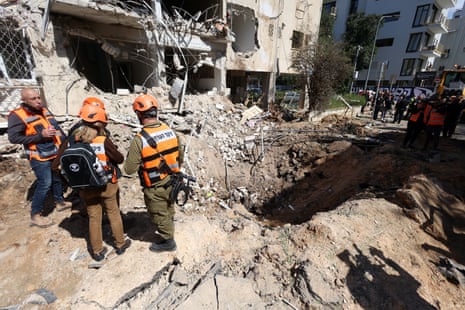
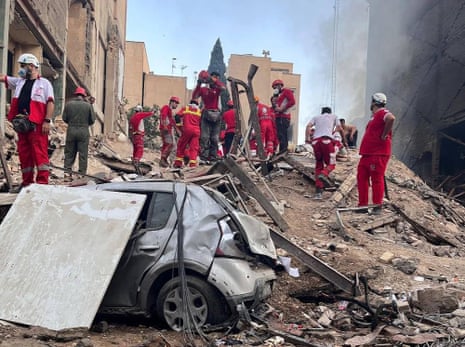
The conflict, now entering its fourth week, has seen a dramatic expansion of hostilities across the region. On Tuesday morning, a munition carrying an estimated 100 kilograms of explosives struck a residential street in central Tel Aviv, causing extensive damage to buildings and setting several vehicles ablaze. According to medical reports from the scene, at least six people were injured in the blast. While Israeli missile defense systems intercepted several other projectiles, debris fell in the suburb of Rosh HaAyin, further straining the city’s emergency response capabilities.
The surge in violence directly contradicts the narrative presented by the White House on Monday. President Trump had announced a five-day extension to a deadline for Iran to reopen the Strait of Hormuz, claiming that "very good" talks were occurring and that both sides had reached "major points of agreement." However, the Islamic Revolutionary Guard Corps (IRGC) dismissed these statements as "psychological operations" designed to manipulate global financial markets. Mohammad Baqer Qalibaf, the speaker of the Iranian parliament, labeled the claims "fake news," asserting that no direct negotiations had taken place.
Military Escalation and the Growing Toll in Lebanon and Iraq
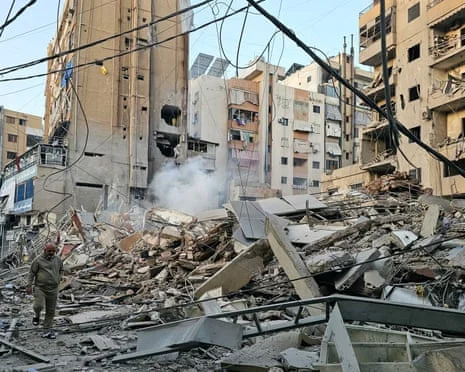
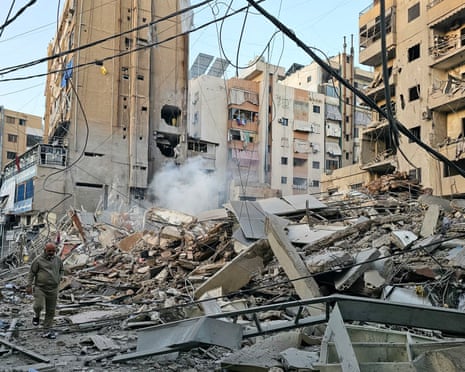
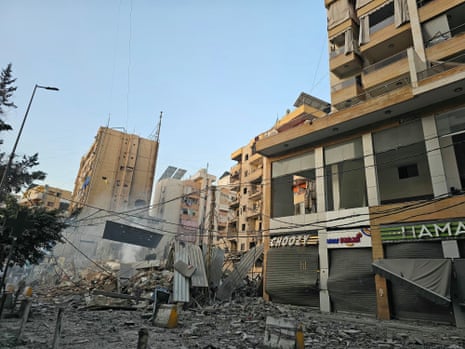
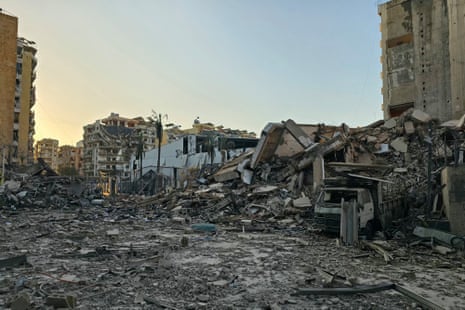
While the diplomatic back-and-forth continued, the military reality on the ground remained lethal. In Lebanon, the health ministry reported that an Israeli airstrike in the town of Bshamoun, located in the Aley district southeast of Beirut, killed at least two people and injured five others. The strike occurred in a mountainous region outside of traditional Hezbollah strongholds, signaling an expansion of the Israeli target list. Over the last 24 hours, the Israeli military has also maintained a steady bombardment of Beirut’s southern suburbs, following evacuation orders issued to local residents.
Further east, the conflict spilled over into Iraq with devastating results. Airstrikes targeted a headquarters belonging to the Popular Mobilization Forces (PMF) in Anbar province, killing at least 15 people, including Saad al-Baiji, a senior operations commander. The PMF, an umbrella group of Shi’ite paramilitary factions integrated into the Iraqi state security apparatus, blamed the United States for the attack. While the Pentagon has not officially confirmed the strike, U.S. officials have previously stated that "Operation Epic Fury"—the ongoing campaign against Iranian-aligned assets—would continue against military and industrial targets despite any temporary pause on energy infrastructure.

The Israeli Defense Forces (IDF) claimed on Monday to have completed a "wide-scale" wave of strikes in the heart of Tehran, targeting the main security headquarters of the IRGC. Israeli military officials asserted that they have successfully eliminated roughly 70% of Iran’s ballistic missile launchers since the war began in late February. Despite these claims of air superiority, Iran has maintained the ability to penetrate Israeli defenses and has expanded its reach by firing missiles toward the United Arab Emirates and Saudi Arabia.
Global Energy Situation is Critical as Supply Chains Buckle
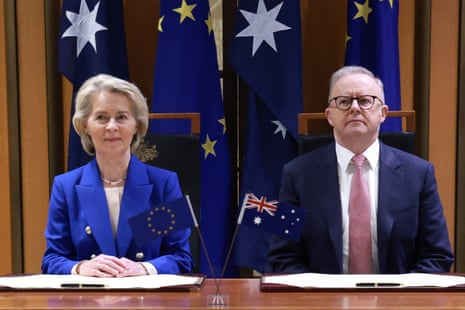
The persistent closure of the Strait of Hormuz, a chokepoint through which approximately one-fifth of the world’s oil consumption passes, has sent shockwaves through the global economy. Speaking from Canberra, Australia, Ursula von der Leyen emphasized that the global energy situation is critical and requires an immediate negotiated solution. "We all feel the knock-on effects on gas and oil prices, our businesses, and our societies," von der Leyen stated, highlighting the urgency of ending the hostilities before systemic economic damage becomes permanent.
The internal pressures on domestic economies have reached a breaking point in several regions. Slovenia recently became the first European Union member state to introduce fuel rationing, a move designed to mitigate the impact of supply disruptions. In Asia, Vietnam’s national carrier announced the suspension of nearly two dozen domestic flights starting next month, citing a severe shortage of Jet A-1 aviation fuel directly linked to the Middle East crisis.
Even nations far removed from the physical battlefield are taking unprecedented steps to shield their citizens from the economic fallout. New Zealand Prime Minister Christopher Luxon announced a world-first fuel relief package on Tuesday, providing weekly cash payments to approximately 150,000 low-income families. The temporary subsidy, valued at NZ$50 per week, is intended to help households cope with petrol prices that have surged by nearly 50 cents per liter since the war began. New Zealand officials reported that some domestic stations have already run out of fuel as panic buying depletes national reserves, which currently stand at 46 days of supply.
Market Volatility and the Five-Day Ultimatum
Global financial markets have reacted with extreme sensitivity to the shifting rhetoric from Washington and Tehran. Following President Trump’s announcement of a five-day delay in striking Iranian power plants, oil prices initially tumbled 10% on hopes of a de-escalation. However, prices bounced back on Tuesday, with Brent crude futures rising to over $100 a barrel as the reality of continued missile exchanges set in.
Market analysts warn that the current rally in Asian stocks may be short-lived. "Markets are not out of the woods," said Chris Weston, head of research at Pepperstone, noting that price action is likely to remain "choppy" until the revised Friday deadline. The central question for investors remains whether the five-day window is a genuine opportunity for a diplomatic breakthrough or merely a tactical delay before a significant escalation against Iran’s energy grid.
The White House has clarified that the current pause applies exclusively to Iranian energy sites. According to reports from Semafor, the U.S. military will continue to target ballistic missile facilities, naval assets, and the defense industrial base. This selective targeting strategy appears to be a form of "maximum pressure" diplomacy, intended to force Tehran to the negotiating table by holding its economic future hostage while simultaneously degrading its military capabilities.
Regional Responses and Diplomatic Channels
As the primary combatants exchange fire, regional neighbors are struggling to contain the spillover. Saudi Arabia’s defense ministry reported the interception of at least five drones over the kingdom’s eastern region on Tuesday. Meanwhile, the U.S. embassy in Oman maintained a "shelter in place" guidance for most of the country following "ongoing activity" that has yet to be fully explained.
In the Mediterranean, the British destroyer HMS Dragon arrived in the region to bolster defenses for U.K. assets. The deployment follows a drone strike on the RAF Akrotiri base in Cyprus three weeks ago, an attack attributed to Iranian-made technology. The British government has faced domestic criticism for the perceived slowness of its naval response compared to the rapid deployments by Greece and France.
Despite the denials from Tehran, some diplomatic channels appear to remain open. Reports from Islamabad suggest that high-level talks could be held in the Pakistani capital later this week. Sources indicate that U.S. Vice President JD Vance, along with envoys Jared Kushner and Steve Witkoff, may meet with Iranian representatives following a direct coordination call between President Trump and Pakistan’s army chief, Asim Munir. Pakistan, which maintains a delicate relationship with both Washington and Tehran, is positioning itself as a potential mediator in a conflict that threatens to engulf the entire Islamic world.
Uncertain Path Forward as Deadlines Loom
The "US-Israel war on Iran," as it is increasingly being termed by international observers, has reached a precarious stalemate. While Israel and the U.S. possess overwhelming technological advantages, Iran’s "asymmetric" strategy—targeting global oil transit and utilizing regional proxies—has effectively internationalized the costs of the war.
As the clock ticks toward the Friday deadline, the international community remains divided on the best path forward. While President Trump continues to project confidence in a "complete and total resolution," the continued bombardment of major cities and the hardening of Tehran’s public stance suggest that a ceasefire is not yet imminent. For the millions of civilians caught in the crossfire and the billions more affected by the global energy crisis, the coming days will determine whether the region moves toward a fragile peace or a catastrophic expansion of the conflict.