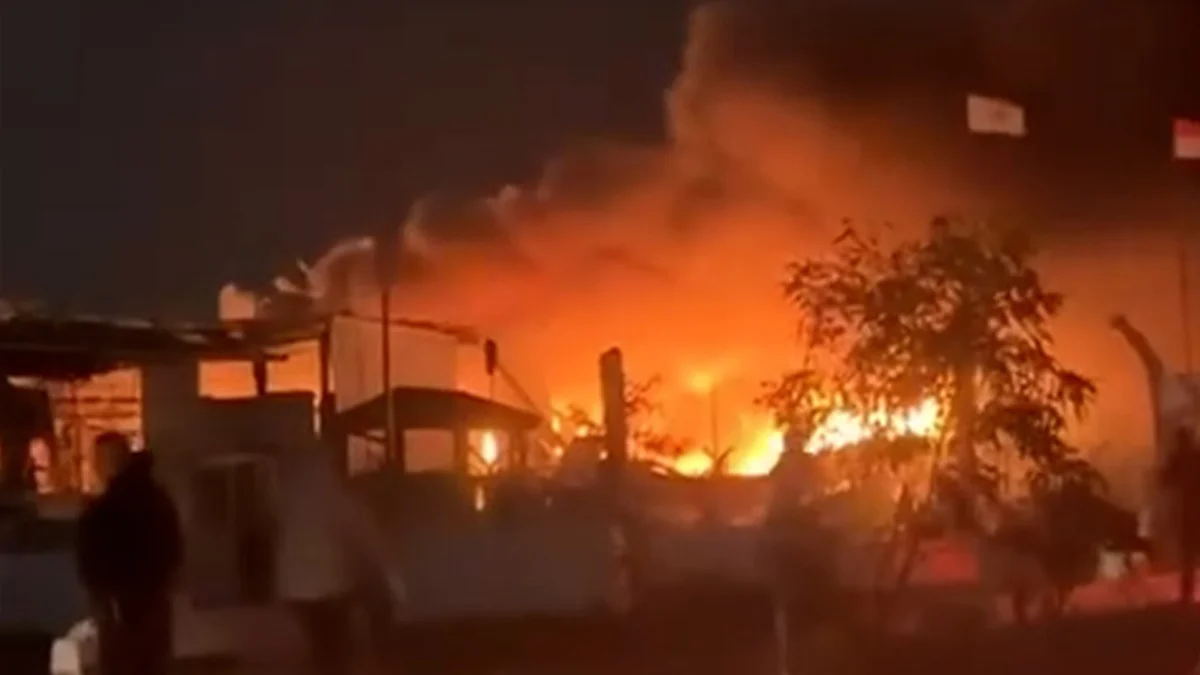
A devastating airstrike has targeted a key headquarters of the pro-Iran Popular Mobilisation Forces (PMF) in Iraq’s Anbar province, resulting in the deaths of at least ten individuals. The predawn assault struck during a critical meeting of senior commanders, underscoring the volatile security landscape in the region. The exact perpetrators of the attack remain unconfirmed, but initial assessments and regional tensions suggest a complex geopolitical backdrop.
Anbar Province Under Siege: The Latest Strike on PMF Assets
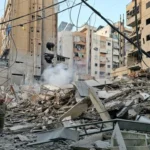
The incident occurred on March 24, 2026, at a facility believed to be a significant command and control center for the PMF, a powerful paramilitary umbrella organization that has played a crucial role in Iraq’s fight against ISIS. The airstrike, characterized by its precision and destructive power, obliterated a section of the headquarters, leaving behind a scene of widespread destruction. The timing of the attack, during a high-level gathering of commanders, raises serious questions about intelligence gathering and the potential for targeted assassinations.
Eyewitness accounts and preliminary reports describe chaotic scenes in the immediate aftermath, with emergency responders working to recover casualties amidst the rubble. The scale of the casualties, particularly among leadership figures, could have significant repercussions for the PMF’s operational capabilities and internal command structure. This strike adds to a growing list of incidents that have targeted the PMF and other Iran-linked groups in Iraq and Syria, fueling a cycle of escalating tensions.
The Popular Mobilisation Forces: A Complex Role in Iraqi Security
The Popular Mobilisation Forces, also known as Hashd al-Shaabi, emerged in 2014 as a collection of predominantly Shia Muslim militias that answered a call to arms from Grand Ayatollah Ali al-Sistani to defend Iraq against the Islamic State of Iraq and Syria (ISIS). Their effectiveness in pushing back ISIS from significant swathes of territory was widely acknowledged, earning them a place within the Iraqi state’s security apparatus. However, the PMF’s close ties to Iran have made them a focal point of regional rivalries, particularly between Iran and the United States.
Many factions within the PMF receive funding, training, and weaponry from Iran’s Islamic Revolutionary Guard Corps (IRGC). This alignment has led to accusations that these groups act as proxies for Tehran, furthering its influence in the region. The United States has designated the IRGC as a terrorist organization, and any entity seen as directly supporting it, including certain PMF factions, has become a potential target in the broader geopolitical struggle.
Anbar Province: A Strategic Nexus of Conflict
Anbar province, the largest in Iraq, has historically been a volatile region, serving as a critical battleground during the fight against ISIS and remaining a hotbed for insurgent activity. Its vast desert terrain and proximity to the Syrian border make it a strategic area for both Iraqi security forces and various paramilitary groups. The province has also been a frequent site of drone strikes and suspected Israeli or US airstrikes targeting Iran-linked militias and their weapons caches.
The PMF maintains a significant presence in Anbar, tasked with maintaining security and preventing the resurgence of extremist groups. The presence of these Iran-backed militias in such a strategically important province creates a complex security environment, where international interests often clash with local dynamics. The attack on the PMF headquarters in Anbar highlights the ongoing vulnerability of these groups and the persistent threat of external intervention.
Unraveling the Perpetrators: A Web of Accusations and Suspicions
In the immediate aftermath of the airstrike, fingers have begun to point in various directions, reflecting the deeply entrenched geopolitical rivalries at play. While no group has officially claimed responsibility, the nature of the attack and the strategic targeting of a pro-Iran militia strongly suggest external involvement.
Potential State Actors:
- United States: The U.S. military has conducted numerous airstrikes in Iraq against Iran-linked militias and facilities, particularly in response to attacks on its personnel and bases. The precision and scale of the attack could align with U.S. capabilities.
- Israel: Israel has repeatedly stated its commitment to preventing Iran from establishing a permanent military presence in Syria and Iraq. It is widely believed to have conducted strikes against Iranian arms shipments and military infrastructure in the region.
Other Possibilities:
- Rival Iraqi Militias: Internal power struggles and rivalries between different PMF factions, some of which may have differing allegiances or agendas, cannot be entirely ruled out. However, the sophistication of the attack makes this less likely as a standalone explanation.
- ISIS or Other Insurgent Groups: While less probable given the specific targeting of a pro-Iran militia, the possibility of retaliatory attacks by extremist groups seeking to sow further chaos remains a consideration.
The lack of an immediate claim of responsibility is common in such complex geopolitical scenarios, often allowing for plausible deniability while simultaneously sending a clear message to the targeted entity. Investigations into the type of ordnance used and the flight paths of potential aircraft are likely underway by Iraqi authorities, though definitive conclusions may be slow to emerge given the sensitive nature of the incident.
Broader Implications: Escalating Regional Tensions
This deadly airstrike on the Popular Mobilisation Forces headquarters in Anbar is more than just an isolated incident; it is a significant development within the ongoing proxy conflicts and power struggles that define the Middle East. The attack risks further escalating tensions between Iran and its adversaries, particularly the United States and Israel, potentially drawing Iraq deeper into the regional quagmire.
The incident serves as a stark reminder of Iraq’s precarious position as a battleground for larger geopolitical ambitions. The PMF, while a critical component of Iraq’s internal security, also represents a key lever of Iranian influence, making its assets attractive targets for those seeking to curb Tehran’s regional sway. The increased frequency and sophistication of such attacks underscore the persistent instability and the challenges Iraq faces in asserting its sovereignty amidst competing foreign interests.
The Human Cost: A Nation Grappling with Violence
Beyond the geopolitical ramifications, the human cost of such attacks is profound. The ten individuals killed, including commanders, represent lives lost and families devastated. For the PMF, it signifies a blow to morale and operational capacity, potentially leading to a period of internal recalibration and a heightened state of alert.
The incident also fuels a climate of fear and uncertainty among the Iraqi populace, particularly in regions like Anbar that have endured prolonged periods of conflict. The constant threat of airstrikes, regardless of the perpetrator, erodes security and hinders the nation’s ability to rebuild and achieve lasting stability. The continued violence underscores the urgent need for de-escalation and a political resolution to the underlying conflicts that fuel these attacks.
Looking Ahead: A Path Towards De-escalation or Further Conflict?
The immediate aftermath of the Anbar airstrike will likely be characterized by heightened diplomatic maneuvering and increased security measures. Iran is expected to condemn the attack and potentially retaliate through its proxy networks or by increasing its support for certain factions within the PMF. The United States and its allies will likely maintain their posture, while urging caution and seeking to avoid a wider regional conflagration.
Iraqi authorities face the immense challenge of navigating these complex international dynamics while also asserting their own authority and ensuring the security of their citizens. The ability of Iraq to maintain its sovereignty and steer clear of becoming a direct theater for a larger regional conflict will depend on its diplomatic skill and its capacity to manage internal security effectively. The coming days and weeks will be critical in determining whether this latest strike marks a further descent into conflict or an impetus for renewed efforts towards de-escalation. The future stability of Iraq, and indeed the wider region, hangs in the balance.