Iran’s diplomatic stance appears to have solidified since the commencement of hostilities with the United States and Israel, according to regional diplomatic sources and geopolitical analysts. Despite public pronouncements from Washington of "productive" talks, Tehran has largely dismissed these claims as disinformation aimed at manipulating global oil markets. The conflict, which erupted on February 28 following coordinated attacks by the U.S. and Israel on Iran, resulting in the death of its then Supreme Leader Ayatollah Ali Khamenei, has fundamentally reshaped the dynamics of any potential negotiations.
Behind the scenes, a delicate diplomatic dance is unfolding, facilitated by an indirect communication channel established in recent days by Egypt, Turkiye, and Pakistan. This initiative, confirmed by two senior diplomatic sources in the region, offers a sliver of hope for de-escalation. However, experts remain largely skeptical about the prospects for an immediate ceasefire, citing the persistent chasm between the warring parties’ objectives. The Iranian leadership’s demands have hardened significantly, shifting from seeking mere concessions to pursuing a comprehensive post-war order that guarantees its long-term security and economic stability.
Shifting Sands: Iran’s Evolving Demands
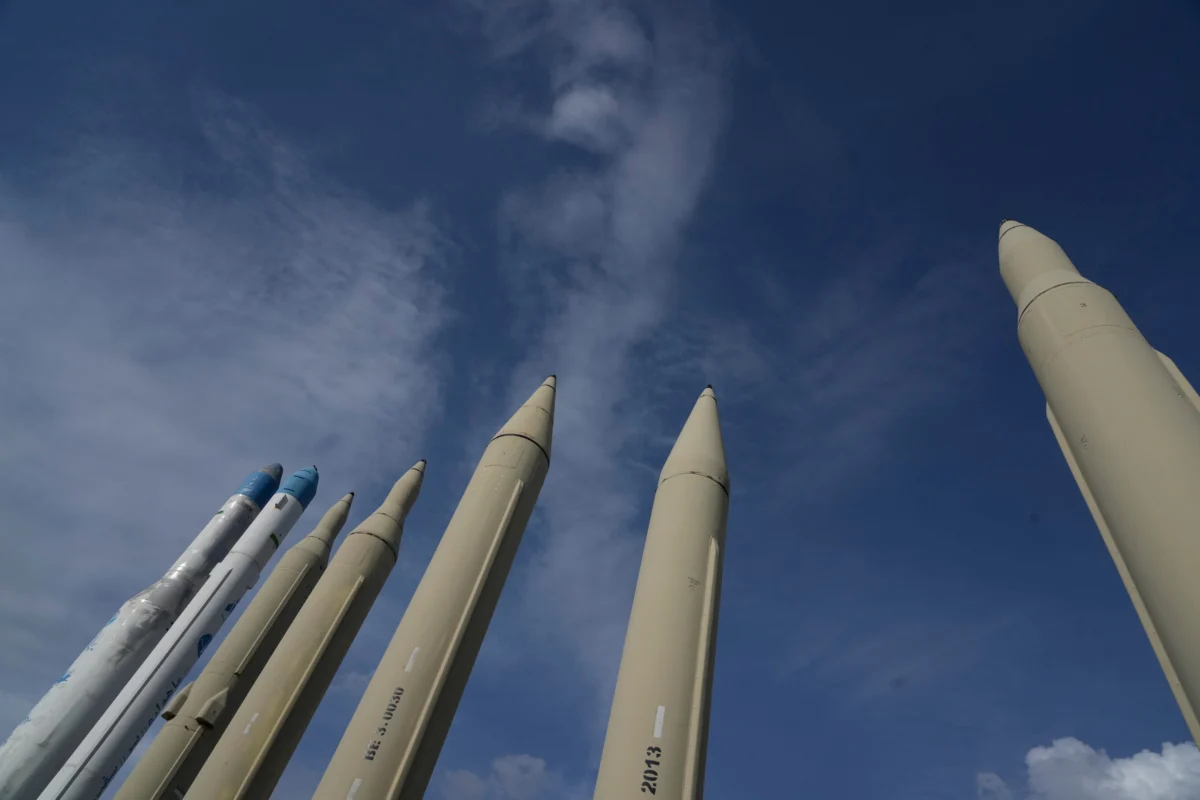
The Iranian leadership’s calculus appears to have been dramatically altered by the war. What began as a conflict initiated by what the U.S. and Israel termed "degrading" Iranian military capabilities has, in Iran’s view, demonstrated a potent capacity for retaliation. The Pentagon asserted that 90 percent of Iran’s missile capacity was destroyed, a claim met with skepticism as Iran has continued to demonstrate its ability to launch precision strikes.
The strategic Strait of Hormuz, a critical chokepoint for global oil exports, remains effectively paralyzed, with hundreds of vessels idled. This disruption has amplified Iran’s leverage, prompting a strategic shift towards an "eye for an eye" policy to re-establish deterrence. This approach aims to ensure that any perceived threat is met with a tangible and immediate response, recalibrating the regional security equilibrium.
Recent actions underscore this hardened stance. Last week, Iranian forces targeted Qatar’s main gas site, impacting 17 percent of its export capacity, a direct reprisal for an Israeli strike on Iran’s South Pars field. Following an attack on Iran’s Natanz nuclear facility, Iranian ballistic missiles breached Israeli defenses, striking the southern cities of Arad and Dimona and injuring over 180 individuals. These retaliatory actions signal Iran’s determination to project strength and impose costs on its adversaries.
Iran’s New Red Lines: Beyond a Ceasefire
Geopolitical analysts suggest that Iran’s objectives have transcended a simple cessation of hostilities. The current aim is to forge a new regional order that not only restores deterrence but also secures enduring economic and security guarantees. This ambition reflects a strategic recalibration driven by the perceived successes of its retaliatory actions and the international spotlight on the conflict.
Iranian political and military officials have articulated a clear set of demands for any future settlement. These include substantial payment reparations for damages incurred during the war, unequivocal guarantees against future attacks, and the establishment of a new regulatory framework for passage through the vital Strait of Hormuz. These demands signify a significant escalation from previous negotiation positions, indicating a desire for a more assertive role in regional security architecture.
Negar Mortazavi, a senior fellow at the Center for International Policy in Washington, D.C., posits that Tehran is now poised to negotiate from a position of strength, seeking to dictate the terms of peace. "This chokehold on the Strait of Hormuz is now giving them ideas – ‘maybe we can charge passage fees like some other places in the world’ – there are those discussions in Iran," Mortazavi stated. This potential for monetizing a strategic chokepoint represents a novel and significant leverage point for Iran.
Analysts contend that Iran is unlikely to relinquish this newfound leverage without substantial concessions. The war, paradoxically, may have provided Iran with a form of economic relief it struggled to achieve through diplomatic channels. In a recent development, the Trump administration temporarily waived sanctions on the purchase of 140 million barrels of Iranian oil, a move widely interpreted as an effort to stabilize volatile oil prices, which have surged since the conflict began.
The U.S. Ambitions: A Shifting Objective?
The United States’ stated objectives for initiating the conflict have been multifaceted. Initially, President Trump cited the prevention of Iran acquiring a nuclear weapon as a primary justification, despite claims that the U.S. and Israel had already dismantled Tehran’s nuclear program during the 12-day war.
President Trump reiterated his demand for Iran to surrender its stockpile of over 400 kilograms of uranium enriched to near-weapons grade. Iranian officials maintain that this material is now buried beneath the rubble of nuclear sites targeted by U.S. and Israeli strikes. Historically, the U.S. has also sought the dismantling of Iran’s ballistic missile program and a cessation of its support for regional proxy groups.
However, recent proposals suggest a potential recalibration of U.S. demands. According to one of the diplomatic sources speaking to Al Jazeera, Washington has now indicated a willingness for Iran to retain up to 1,000 medium-range missiles in its arsenal, a notable departure from previous maximalist positions. This potential shift could signal a pragmatic approach by the U.S. to find common ground, albeit amidst deep-seated mistrust.
The history of U.S.-Iran interactions is fraught with complications, particularly concerning President Trump’s actions. Trump’s administration launched attacks on Iran in June 2025 and February 2026 while diplomatic envoys were engaged in negotiations with Iranian representatives. Furthermore, Trump has consistently voiced aspirations for regime change in Iran, a stated goal that profoundly undermines any prospects for genuine trust and cooperation. This pattern of aggressive action juxtaposed with diplomatic overtures has created a climate of deep suspicion on the Iranian side.
Navigating the Labyrinth: Questions Over Iran’s Negotiators
The complex geopolitical landscape has been further complicated by the elimination of key Iranian leadership figures, including Ali Larijani, who served as a crucial interlocutor for international mediators. This vacuum raises significant questions about who will ultimately lead any direct or indirect negotiations with Washington.
The recent appointment of Mohammad Bagher Zolghadr as secretary of Iran’s Supreme National Security Council signals a potential shift in the country’s approach to security and diplomacy. Zolghadr, a former commander in the Islamic Revolutionary Guard Corps (IRGC) and secretary of the Expediency Council since 2023, brings a background deeply rooted in the IRGC’s strategic thinking.
Babak Vahdad, a political analyst specializing in Iran, suggests that Zolghadr’s appointment indicates a more tightly aligned negotiation strategy with the IRGC’s threat perception and priorities. "Put bluntly: this looks less like a system preparing for compromise, and more like one preparing to manage prolonged confrontation," Vahdad commented. This appointment suggests a focus on resilience and preparedness for continued regional tensions rather than an immediate pivot towards de-escalation.
Some experts interpret President Trump’s recent postponement of further attacks on Iran as a strategic maneuver to calm oil prices, which have surged by over 50 percent since the war began. This pause may also be linked to the deployment of thousands of U.S. Marines to the Middle East, including a contingent of 2,500 Marines and an amphibious assault ship last week, alongside the USS Tripoli in mid-March, which is believed to carry additional Marine forces.
While President Trump has remained non-committal about deploying ground troops, he has reportedly considered the possibility of seizing Iran’s Kharg Island, a critical hub from which 90 percent of Iranian oil is exported. This potential strategic move underscores the high stakes and the multifaceted nature of the ongoing conflict and its potential escalation.
Ground Realities vs. Diplomatic Rhetoric
The divergence between diplomatic pronouncements and on-the-ground realities is a recurring theme in the current geopolitical climate. "Diplomatic talk is one thing; what I see on the ground is something else," remarked Abdulkhaleq Abdulla, a professor of political science from the United Arab Emirates. This sentiment highlights the skepticism many observers hold regarding the sincerity and efficacy of current diplomatic efforts.
Regional players, including Gulf states and other international partners, are unlikely to endorse a scenario where Iran maintains control over the Strait of Hormuz. Such an outcome would grant Iran significant leverage over Gulf energy exports, potentially destabilizing regional energy markets for the foreseeable future. This international consensus underscores the strategic importance of the waterway and the desire for unhindered passage.
Given Iran’s apparent unwillingness to relinquish its leverage over the Strait of Hormuz, the diplomatic pathways forward appear increasingly constrained. Abdulla noted, "It’s the duty of the international community to take it back, and there is one way to do it, the military way." This stark assessment suggests that without significant concessions from Iran, or a fundamental shift in international resolve, the prospect of a military solution may become a more prominent consideration. The complex interplay of military posturing, economic pressures, and shifting diplomatic demands continues to define the precarious balance of power in the region.