BRISBANE, Australia – The intersection of political ambition and artistic endeavor took center stage Wednesday night as Queensland’s Parliament House hosted a pivotal pre-Olympics gathering, uniting the state’s music industry stakeholders with government officials to chart a course for cultural growth in the lead-up to the 2032 Summer Olympic and Paralympic Games. The inaugural Queensland Parliamentary Friends of the Music Industry event for 2026, held at The Speaker’s Green, served as a crucial forum for dialogue, advocacy, and strategic planning.
The high-profile assembly brought together a diverse group of influential figures, underscoring the growing recognition of the music sector’s vital role in the state’s economic and social fabric. Attendees included John-Paul Langbroek, the Queensland State Minister for Education and the Arts, Kris Stewart, CEO of QMusic, the state’s peak music industry body, and Luke Hede, Senior Vice President of Touring & Commercial for Live Nation APAC. The event was co-chaired by Members of Parliament Shane King and Sam O’Connor, signaling a bipartisan commitment to supporting the arts.
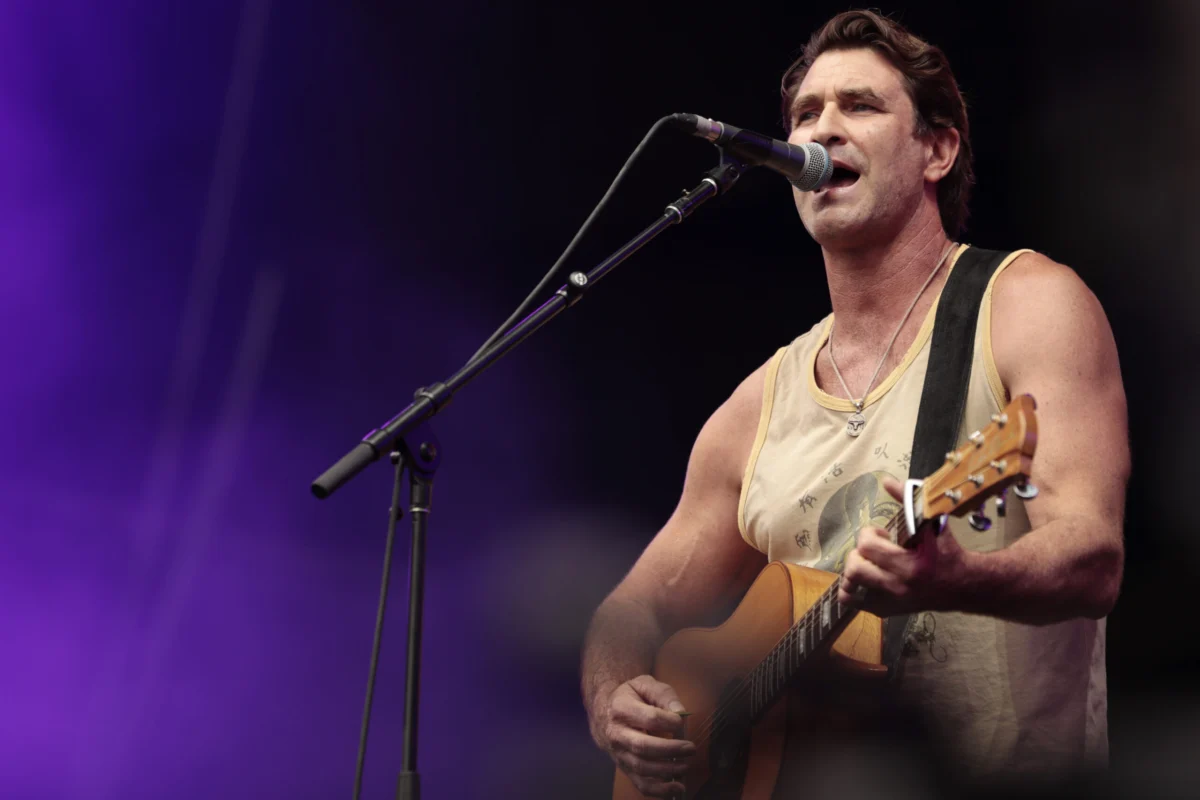
ARIA Chart-topping musician Pete Murray was a featured guest, delivering an intimate performance that captivated the audience with hits like "Feeler" and "Opportunity." Murray’s presence highlighted the artist’s perspective within the broader industry discussions, offering a direct connection between creative output and policy-making. The evening commenced with an opening performance by emerging Brisbane artist Will Day, setting a tone of local talent and future potential.
Navigating a Complex Landscape: Challenges and Opportunities
The gathering occurred against a backdrop of significant challenges for Queensland’s live music scene. Recent closures of prominent venues, such as Solbar in Maroochydore and The Station in Birtinya on the Sunshine Coast, have cast a shadow over the industry’s resilience. These closures, attributed to escalating operating costs and shifting audience demographics, underscore the precarious nature of grassroots music venues, which are considered the bedrock of the music ecosystem.
Kris Stewart of QMusic articulated this duality, describing the situation as a "best of times, worst of times" scenario. He pointed to the immense success of major international acts like Ed Sheeran drawing massive crowds as a testament to the potential for large-scale events. However, he contrasted this with the concurrent closure of essential local venues, emphasizing that true industry health cannot be solely measured by the success of a few at the apex.
"The pyramid of the music industry can’t be built with massive success of a few people at the top, and a battle for everyone who is the foundation of our industry," Stewart stated, advocating for a more balanced and sustainable approach to industry development. He stressed that a thriving music scene is fundamentally "held up by the foundations. It’s held up by our grassroots."
The Ripple Effect of Festival Cancellations
The timing of the event also coincided with the distressing collapse of Bluesfest, a popular camping festival held in Byron Bay, just south of the Queensland border. The cancellation left thousands of ticket holders, staff, and vendors facing financial uncertainty. This widely reported event served as a stark reminder of the fragility of large-scale music events and the need for robust support systems.
"We need live music and music in generally to be growing, not failing," remarked MP Shane King, directly addressing the impact of the Bluesfest situation. "Sadly, we heard recently about Bluesfest, which has been devastating for the industry, and devastating for all of us." The sentiment resonated through the room, highlighting the interconnectedness of the music community and the far-reaching consequences of such failures.

A Vision for the Night-Life Economy
The parliamentary gathering also provided a platform to discuss and advance initiatives aimed at fostering a more vibrant and sustainable cultural sector, particularly concerning the night-life economy. Among the notable attendees were Queensland Labor Party Leader and former State Premier Steven Miles, and Attorney-General Deb Frecklington, signaling strong political engagement.
Renowned rocker Ian Haug, formerly of Powderfinger, and his bandmate John "JC" Collins, who now serves as Queensland’s night-life economy commissioner, were also present. Collins’ role is particularly significant, as he was instrumental in developing the state’s inaugural "Night-Life Economy Strategy" last year. This comprehensive document outlines a forward-looking vision for the sector, aiming to enhance its economic contribution and cultural vibrancy.
MP Sam O’Connor, who also holds the portfolio for Housing and Public Works and Youth, provided VIPs with an update on the implementation of the Night-Life Economy Strategy. He described the strategy as an "in-depth, grounded, practical pathway forward for the nightlife in our state." O’Connor emphasized that the report had been proactively presented to individual ministers to ensure it would drive tangible change rather than becoming a forgotten document.
Nurturing the Next Generation of Musicians
A key component of the event was the announcement of four legacy scholarships, each valued at A$15,000 (approximately $10,400 USD). These scholarships, awarded in partnership with Arts Queensland, are designed to provide crucial financial support for emerging artists, fostering the next wave of Australian talent. Minister John-Paul Langbroek presented the awards, recognizing the significant contributions of Paulina (Carol Lloyd Award) and Frank and Louis (Billy Thorpe Scholarship).
The scholarships represent a tangible investment in the future of Queensland’s music industry, aiming to empower young artists and ensure they have the resources to develop their careers. This initiative aligns with the broader goal of building a sustainable music ecosystem that can thrive in the long term.
Building a Resilient Music Ecosystem for 2032 and Beyond
QMusic CEO Kris Stewart reiterated the power of music as a unifying force, stating, "We share a lot more than we disagree on." He underscored the necessity for collective action to ensure a flourishing music industry, emphasizing its growth from the grassroots. A robust network of live music venues, he argued, is the "lifeblood" of the music community.
"We will not have the next generation of Australian musicians on our stages in 2032 if we don’t protect our musicians and stages right now," Stewart asserted. He called for concrete commitments from policymakers and industry leaders to safeguard the foundations of the music sector. "Every small thing we do, that follows that purpose, is something positive and important," he added, expressing optimism about the state’s readiness for the 2032 Games. "We will make sure our city, our musicians, are ready for this amazing moment, but it starts now."
International Connections for Australian Talent
Leveraging the momentum from the parliamentary pow-wow, QMusic also seized the opportunity to announce the first international guests confirmed for BIGSOUND 2026. This premier music industry conference and showcase, scheduled for September 1-4 in Brisbane’s Fortitude Valley, will feature representatives from prominent global entities including Rough Trade Record Stores (U.K.), Bandcamp (U.S.), Hellfest (France), Low Profile Sync Agency (U.S.), and Sziget Festival (Hungary). The inclusion of these international delegates signals a commitment to expanding opportunities for Australian artists on the global stage and fostering international collaboration within the music industry. This strategic focus on international engagement is crucial for ensuring the long-term growth and competitiveness of Queensland’s music sector.