The 2026 digital marketplace has entered a pivotal week as Amazon’s Big Spring Sale triggers a wave of aggressive discounting across the streaming industry, offering significant price reductions on services including Paramount+, Dropout TV, and Spotify. Following a year defined by consistent price hikes across nearly every major platform, the current promotional window, running through March 31, represents a strategic effort by media conglomerates to combat subscription fatigue and rising churn rates. Market analysts suggest these Spring Sale streaming deals are no longer just seasonal clearances but essential customer acquisition tools in an increasingly saturated subscription economy.

The landscape of home entertainment has shifted dramatically since the beginning of the year, with consumers facing a "new normal" of higher monthly premiums. In January 2026, Paramount Global implemented a substantial price increase, raising the cost of its ad-free Premium tier to $13.99 per month. The current Spring Sale streaming deals directly address this by allowing new and returning subscribers to lock in two months of service for $2.99 per month. This 78% discount is particularly notable as it applies to both the ad-supported Essential plan and the more expensive Premium tier, which includes Showtime content and local CBS feeds.
Industry insiders note that the inclusion of the Premium tier in the $2.99 offer is a calculated move to showcase high-value content during the spring television season. By lowering the barrier to entry, Paramount+ aims to capture audiences ahead of major sporting events and season premieres, hoping to convert promotional users into long-term subscribers once the two-month window expires. Furthermore, some consumers have reported additional savings by utilizing secondary promotional codes such as "BG2L7M" at checkout, potentially reducing the cost to under one dollar for the initial months.

The Evolution of Hardware and the Vega Operating System
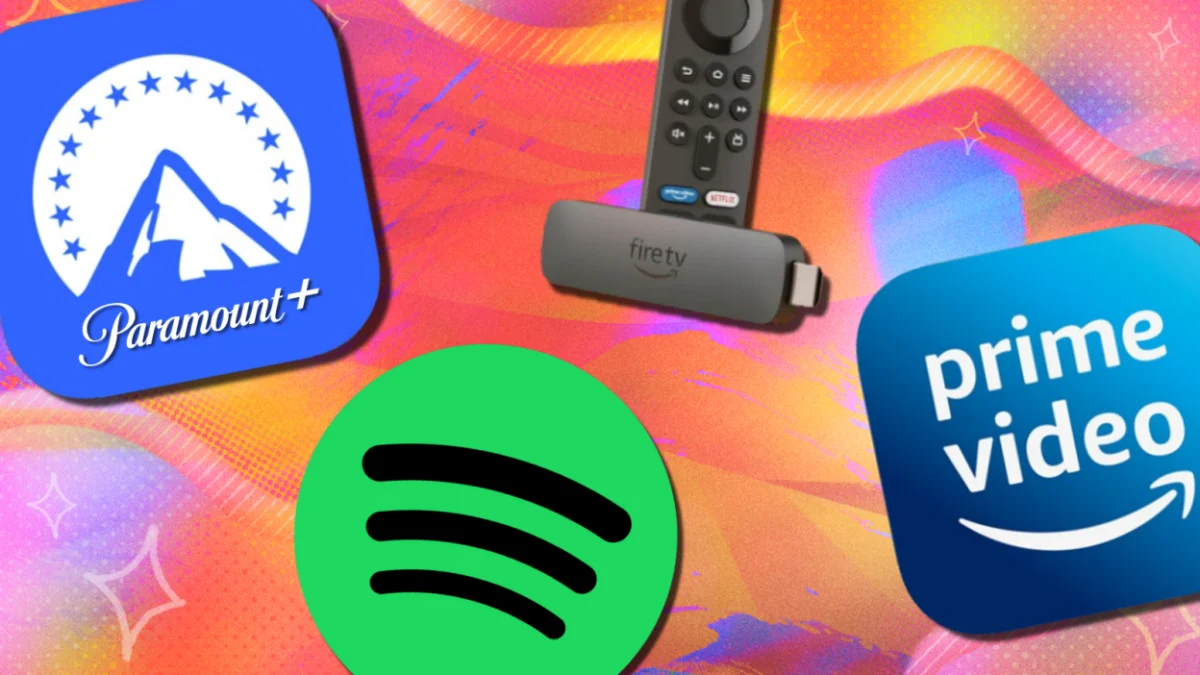
The Spring Sale streaming deals extend beyond service subscriptions into the hardware sector, where Amazon has introduced significant price cuts on its latest generation of Fire TV devices. The centerpiece of this hardware push is the Fire TV Stick 4K Select, which has seen its price slashed from $39.99 to as low as $14.99 when combined with on-page digital coupons. This pricing strategy is viewed as a loss-leader tactic designed to distribute Amazon’s new proprietary operating system, codenamed "Vega," into as many households as possible.
The transition to the Vega OS marks a departure from the Android-based framework that powered previous generations of Fire TV sticks. Users have long complained about interface lag and "bloatware" on older devices; the Vega system is marketed as a leaner, more responsive alternative built specifically for the demands of 4K streaming and cloud gaming. The Fire TV Stick 4K Select also integrates support for Alexa+, Amazon Luna, and Xbox Game Pass, positioning the device as a comprehensive entertainment hub rather than a simple streaming dongle. By discounting the hardware so heavily during the Spring Sale, Amazon ensures that its ecosystem remains the primary gateway for consumers accessing third-party apps like Paramount+ and Spotify.

Audio Streaming Wars: Spotify vs. Amazon Music Unlimited
In the audio sector, the competition has intensified as Spotify and Amazon Music Unlimited engage in a "zero-dollar" acquisition strategy. Spotify is currently offering three months of its Premium service for free to new users, a move intended to offset the impact of its own recent price adjustments. A Spotify Premium subscription, which typically costs $12.99 per month, now includes 15 hours of monthly audiobook listening and the long-awaited rollout of lossless audio features. The three-month trial represents a nearly $40 value, making it one of the most aggressive Spring Sale streaming deals in the music category.
Amazon has countered this by offering an identical three-month free trial for Amazon Music Unlimited. While the two services offer similar libraries, Amazon’s integration with its Prime ecosystem provides a slight edge for existing members who may pay a reduced rate after the trial ends. The inclusion of one free audiobook per month through Amazon’s platform serves as a direct competitive response to Spotify’s recent foray into the literary market. These offers highlight a broader trend where audio platforms are no longer just music repositories but holistic media applications encompassing podcasts, live audio, and books.

Niche Platforms and the "Boutique" Streaming Trend
While major players dominate the headlines, niche platforms like Dropout TV (formerly CollegeHumor) are also participating in the Spring Sale streaming deals ecosystem. Dropout has maintained a unique position in the market by focusing on high-engagement unscripted content and tabletop gaming series like "Dimension 20." Unlike the larger "everything-for-everyone" streamers, boutique services rely on a loyal, smaller subscriber base. By offering promotional entry points during major sales events, these smaller platforms can tap into the traffic generated by Amazon and other retail giants, providing an alternative for viewers disillusioned by the mass-market catalogs of Netflix or Disney+.
Peacock and Kindle Unlimited have also surfaced with promotional pricing, further complicating the decision-making process for consumers. The current market reality is that the average American household now subscribes to between four and five streaming services. With cumulative costs often exceeding $70 per month, sales events like the Big Spring Sale have become the primary time for "subscription hopping"—a practice where users cancel one service to take advantage of a promotional deal on another, effectively rotating their access to content libraries to keep costs manageable.

Economic Implications and the "Subscription Fatigue" Crisis
The aggressive nature of the 2026 Spring Sale streaming deals is a symptom of a larger economic shift. Throughout 2024 and 2025, the streaming industry moved away from "growth at all costs" toward a model of "profitability through pricing." However, this shift led to a record high in churn rates, as consumers became more price-sensitive in the face of broader inflationary pressures. Data from digital media analysts suggest that for every $2 price increase, platforms see a 3% to 5% increase in cancellations.
To mitigate this, companies are using the Big Spring Sale to "re-acquire" lost customers. The $2.99 Paramount+ deal, for instance, is explicitly available to "ex-subscribers," acknowledging that win-back campaigns are often more cost-effective than finding entirely new users. This cycle of price hikes followed by deep promotional discounts has created a volatile but opportunistic environment for savvy consumers who are willing to manage their accounts actively.

The Impact of Ad-Supported Tiers on Sale Structures
Another critical factor in the current Spring Sale streaming deals is the role of advertising. Most of the discounted rates are designed to funnel users into ad-supported tiers. For the streaming providers, a user paying $2.99 a month who watches 20 hours of ad-supported content is often more valuable than a user paying $13.99 for an ad-free experience, due to the high CPMs (cost per thousand impressions) currently commanded in the Connected TV (CTV) advertising market.
This explains why the discounts on ad-supported plans are often more persistent. Even when the "Spring Sale" officially ends, many of these platforms will continue to offer low-cost entry points for their ad-supported versions. However, the current window is unique because it includes the "Premium" ad-free tiers in the discount structure, offering a rare opportunity for users to bypass commercials at a fraction of the standard cost.

Looking Ahead: The Future of Seasonal Digital Sales
As the Big Spring Sale concludes on March 31, the industry will look toward the summer months and the eventual arrival of Black Friday, which remains the "gold standard" for streaming discounts. Nevertheless, the success of the 2026 Spring Sale streaming deals suggests that the mid-year promotional window is becoming a permanent fixture in the media calendar.
For the consumer, the message is clear: never pay full price for a streaming service in the current market. With platforms cycling through promotions almost quarterly, the strategic use of these deals allows households to maintain access to premium content while avoiding the "subscription tax" that has characterized the last several years of the streaming wars. As hardware like the Fire TV Stick becomes more affordable and services become more desperate for consistent user numbers, the power dynamic has briefly shifted back toward the viewer, provided they are willing to navigate the complexities of promotional codes and limited-time offers.