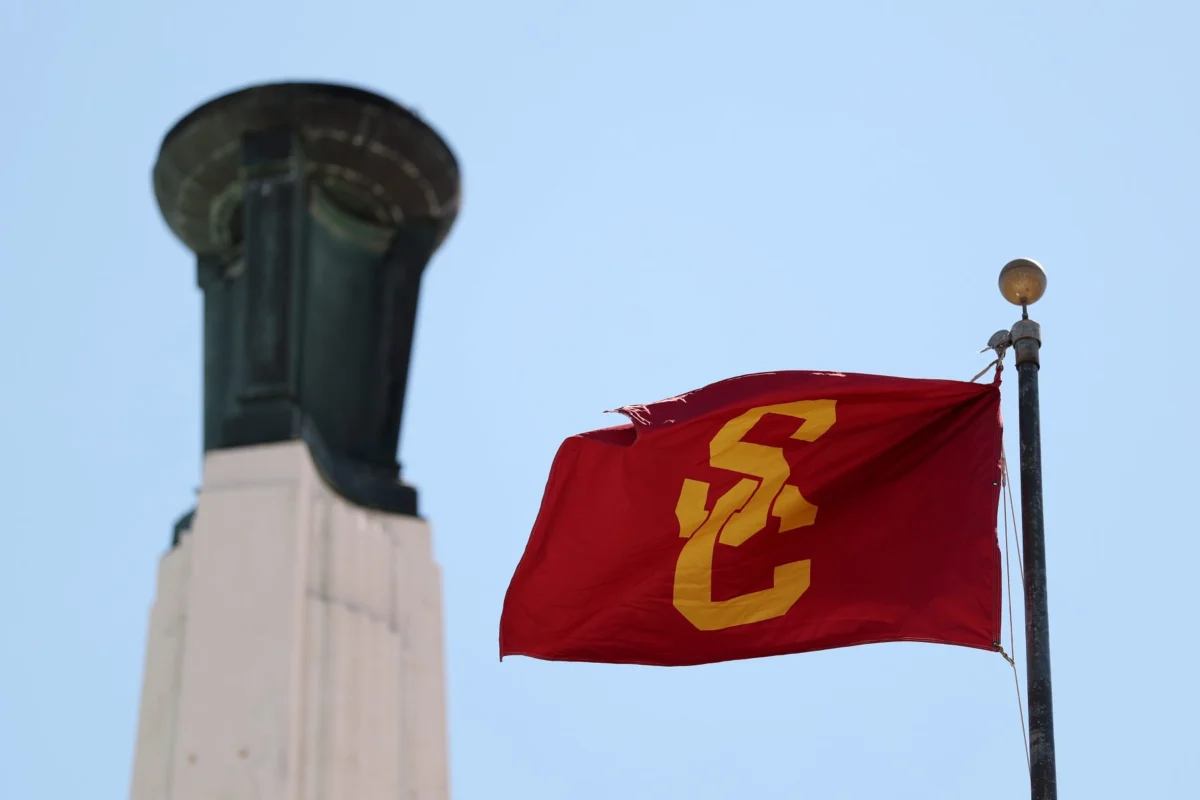
The University of Southern California (USC) has reached a tentative settlement with Sony Music Entertainment, resolving a significant copyright infringement lawsuit concerning the unauthorized use of numerous chart-topping songs in the university’s athletic department social media content. The agreement, announced in New York federal court, aims to conclude the major label’s claims that USC’s Instagram and TikTok videos featured a vast catalog of popular music without proper licensing.
The preliminary settlement, described as a "settlement in principle," was communicated to a federal judge on Wednesday, March 25. Representatives for both Sony Music and USC confirmed the development but declined to offer specific details or comment further on the terms of the agreement. This development signals a potential end to a protracted legal dispute that highlighted the complex intersection of collegiate athletics, social media marketing, and intellectual property rights.
Sony Music initially filed its lawsuit against USC nearly a year prior, alleging that the university’s sports programs had deployed over 250 videos incorporating more than 170 unlicensed tracks owned by the record company. The complaint detailed a litany of widely recognized hits, including Beyoncé’s "Break My Soul," Harry Styles’ "As It Was," Bruno Mars’ "Uptown Funk," Travis Scott’s "Sicko Mode," Lil Nas X’s "Old Town Road," Doja Cat’s "Paint the Town Red," and SZA’s "Kill Bill." These tracks, many of which reached No. 1 on the Billboard Hot 100, were allegedly used to enhance the appeal and engagement of USC’s social media posts, particularly in promotional videos for athletic events.
Allegations of Widespread Copyright Infringement
At the heart of Sony’s legal action was the assertion that USC, a prominent collegiate athletic powerhouse with substantial financial resources, possessed the capacity to secure the necessary synchronization licenses for these musical compositions. The lawsuit underscored the university’s considerable annual revenue, estimated to exceed $200 million, as evidence of its ability to meet licensing obligations. Sony sought statutory damages, requesting the maximum permissible amount of $150,000 per infringed song, a figure that could have potentially amounted to over $25 million in damages.
USC’s response to the initial lawsuit was to respect intellectual property rights and to address the allegations through the legal process. Early court filings from the university primarily focused on procedural matters, specifically challenging the jurisdiction of the New York court and arguing for the case to be heard in California, the institution’s home state. This legal maneuvering aimed to shift the venue of the litigation, potentially creating a more favorable environment for USC’s defense.
The Evolving Landscape of Music Licensing in Digital Media
The legal battle between Sony Music and USC is emblematic of a broader trend where major record labels are increasingly pursuing legal action against entities using copyrighted music in commercial social media content without authorization. While social media platforms like Instagram and TikTok offer broad licensing agreements that permit individual users to incorporate a vast selection of pre-cleared music into their personal posts, commercial accounts, including those representing large institutions and brands, are typically required to obtain separate synchronization licenses.

These licenses grant permission for music to be synchronized with visual media, a crucial element for marketing and promotional content. The distinction between personal use and commercial use is a key point of contention and legal interpretation in these ongoing disputes. The settlement with USC underscores the significant financial and legal risks associated with failing to adhere to these licensing requirements.
Notable Tracks and High-Profile Lawsuits
The extensive list of songs cited in the Sony lawsuit highlights the pervasive use of popular music in modern digital marketing strategies. The inclusion of hits from globally recognized artists such as Beyoncé, Harry Styles, Bruno Mars, and Travis Scott indicates a deliberate choice by USC’s social media teams to leverage current, high-impact tracks to capture audience attention. These songs, often associated with significant cultural moments and massive fan bases, can significantly amplify the reach and impact of promotional content.
Beyond USC, numerous other entities have faced similar legal challenges from major record labels over music licensing on social media. Companies like Chili’s, various NBA teams, and the cookie company Crumbl have been targets of lawsuits from music giants like Universal Music Group and Sony Music. The majority of these cases are resolved through confidential settlements, often involving undisclosed financial terms and revised music usage policies.
However, some defendants have chosen to contest these claims more vigorously. In one notable instance, the shoe retailer DSW initiated its own lawsuit, arguing that existing blanket social media licenses should extend to businesses, a legal position that challenges the current interpretation of music licensing requirements for commercial entities. This counter-action suggests a growing pushback against what some businesses perceive as overly restrictive or costly licensing demands.
The Financial Stakes and USC’s Revenue
The lawsuit brought by Sony Music against USC underscored the significant financial stakes involved in music copyright litigation. Sony’s calculation of potential damages, exceeding $25 million, reflected the immense commercial value attributed to the unlicensed use of its artists’ popular songs. The university’s substantial annual revenue from its athletics programs, reported to be in the hundreds of millions of dollars, positioned it as a deep-pocketed defendant capable of affording the necessary licensing fees, according to Sony’s legal arguments.
The university’s athletic department, a critical component of USC’s brand and operational budget, relies heavily on effective marketing and fan engagement. Social media platforms have become indispensable tools in this regard, offering direct channels to connect with students, alumni, and the broader sports community. The alleged use of unlicensed music was seen by Sony as a direct infringement on their revenue streams and intellectual property rights, particularly given the commercial nature of the content.
Legal Precedents and Industry Practices
The legal actions initiated by record labels against institutions like USC are part of a larger pattern of enforcement aimed at clarifying and capitalizing on music licensing in the digital age. The advent of user-generated content platforms and the ubiquitous presence of music in online videos have created new avenues for copyright infringement, prompting rights holders to adapt their strategies.

Synchronization licenses, often referred to as "synch licenses," are typically negotiated directly with music publishers and record labels. These agreements grant permission to use a specific song in a film, television show, advertisement, or, increasingly, in online video content. The cost of such licenses can vary widely depending on the song’s popularity, the artist’s stature, and the intended use of the music. For high-profile tracks by artists like Beyoncé and Harry Styles, the licensing fees can be substantial.
The settlement in the USC case, while confidential, likely involves a financial payout to Sony Music and may also include commitments from USC regarding its future music licensing practices. Such settlements serve as both a resolution to specific disputes and as a deterrent to other institutions considering similar unauthorized uses of copyrighted material. The outcome of such cases often shapes industry standards and influences how music rights are managed and enforced across various digital platforms.
Broader Implications for Educational Institutions and Brands
The lawsuit and subsequent settlement involving USC have significant implications for other educational institutions and commercial brands that utilize social media for promotional purposes. It serves as a stark reminder of the legal responsibilities associated with employing popular music in marketing efforts. Universities, with their extensive athletic programs and vibrant alumni networks, are particularly active on social media, often seeking to generate excitement and pride through engaging content.
The case highlights the need for robust internal policies and legal oversight to ensure compliance with copyright laws. Educational institutions and brands must implement clear guidelines for their social media teams, emphasizing the importance of obtaining proper licenses for all musical content used in promotional materials. Failure to do so can lead to costly litigation, reputational damage, and significant financial penalties.
The trend of music licensing disputes in the digital space is likely to continue as platforms evolve and content creation proliferates. As Sony Music and USC move towards finalizing their settlement, the broader music industry and its commercial partners will be observing the outcomes, potentially drawing further lessons on navigating the complex legal terrain of music usage in an increasingly interconnected world. The resolution of this dispute offers a pathway for USC to recalibrate its social media strategy, ensuring future content creation aligns with copyright protections and avoids the pitfalls of past legal entanglements.