An Israeli airstrike on Gaza’s Shati refugee camp late Tuesday night resulted in the deaths of several Palestinians, with initial reports and social media footage depicting scenes of chaos and urgent medical responses to the heavily populated area. The attack, which occurred after dark, has intensified already soaring tensions in the region and drawn immediate condemnation from Palestinian authorities.
The Shati refugee camp, one of the oldest and most densely populated in the Gaza Strip, has been a refuge for generations of Palestinians. The camp’s proximity to densely packed residential areas means that any military action carries a significant risk of civilian casualties. The precise target and the full extent of the casualties are still being assessed, but early images suggest a devastating impact.
Escalation in Gaza: A Night of Violence
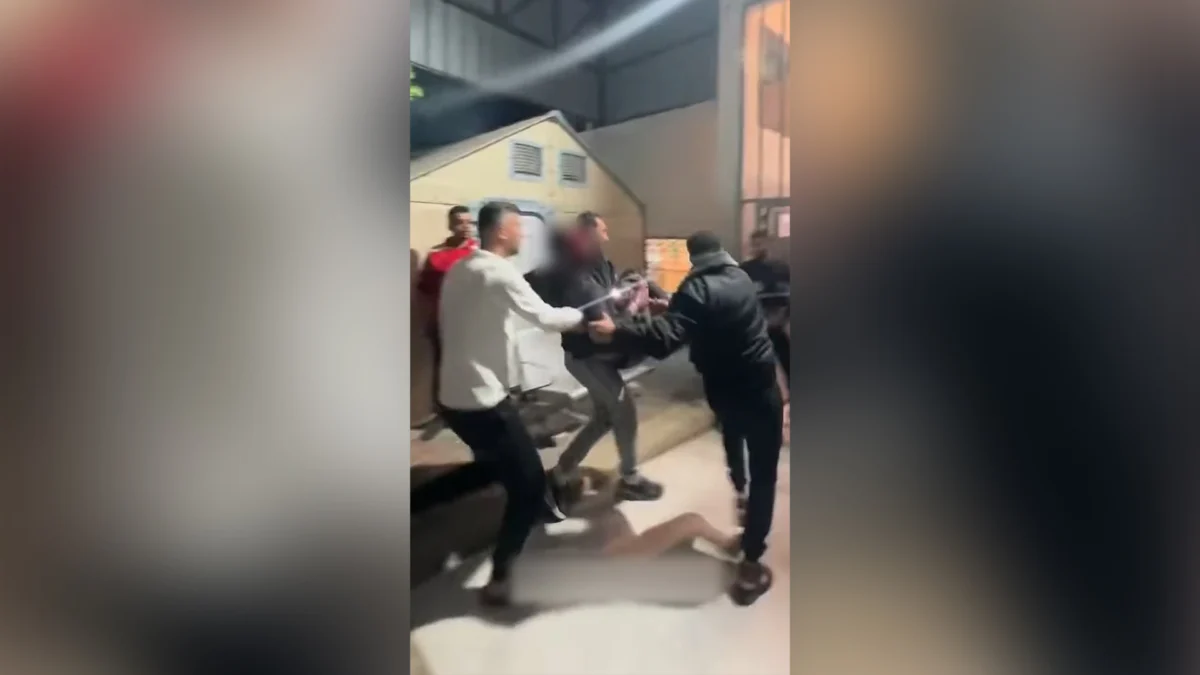
Palestinian sources confirmed that the strike hit a residential area within the Shati camp, a densely packed urban environment that houses tens of thousands of displaced individuals and long-term residents. The aftermath, captured in harrowing video clips circulating online, shows civilians desperately trying to aid the injured and transport them to overwhelmed medical facilities. The raw footage highlights the urgent need for medical assistance and the grim reality faced by those living under constant threat.
The timing of the attack, occurring during the night, likely added to the confusion and terror experienced by residents. Emergency services would have faced immense challenges reaching the affected areas quickly. The international community has long expressed concerns about the humanitarian impact of military operations in such confined and populated spaces.
Background: The Unfolding Conflict
The strike on the Shati refugee camp is the latest in a series of escalating hostilities that have gripped the region for months. The Gaza Strip, a territory under blockade by Israel and Egypt, has been the focal point of a protracted conflict marked by recurrent cycles of violence. The current phase of intensified conflict has seen a significant increase in both Israeli military operations and rocket fire from Palestinian militant groups.
Shati camp, located on the coast of Gaza City, was established in 1948 to house Palestinian refugees who fled their homes during the Arab-Israeli war. Over the decades, it has transformed from temporary shelters into a permanent urban neighborhood, yet it retains its status as a designated refugee camp. Its dense population and limited infrastructure make it particularly vulnerable to the effects of military strikes.
International Condemnation and Calls for Restraint
Human rights organizations and several international bodies have repeatedly warned about the dire humanitarian situation in Gaza and the potential for civilian harm during military engagements. These groups have called for adherence to international humanitarian law, which mandates the protection of civilians and civilian infrastructure, including refugee camps.
The United Nations Relief and Works Agency for Palestine Refugees in the Near East (UNRWA) has been a critical provider of services within the camp, including education, health, and social services. Any disruption to these services or damage to UNRWA facilities would have profound implications for the camp’s inhabitants, many of whom rely on these services for their basic survival.
Impact on Civilian Life and Humanitarian Concerns
The immediate aftermath of the strike has been characterized by fear and uncertainty among the residents of Shati camp and other areas of Gaza. Families are grappling with the loss of loved ones, injuries, and the destruction of homes. The psychological toll of living under constant threat of attack is immense, particularly for children who are disproportionately affected by conflict.
The already strained healthcare system in Gaza is likely to be further burdened by an influx of casualties. Medical supplies and personnel are often scarce, and the destruction of infrastructure can impede access to treatment. The attack exacerbates an already critical humanitarian crisis, underscoring the urgent need for de-escalation and sustained humanitarian aid.
Broader Implications and Regional Dynamics
The Israeli attack on the Shati refugee camp occurs against a backdrop of complex regional politics and ongoing diplomatic efforts to broker a lasting peace. The incident is likely to further inflame public opinion in the Palestinian territories and across the Arab world, potentially fueling further unrest and complicating any attempts at negotiation.
Israel maintains that its military operations are defensive in nature, aimed at neutralizing threats from militant groups operating within Gaza. However, the high number of civilian casualties in densely populated areas like refugee camps remains a persistent point of international criticism and concern. The cycle of violence poses a significant challenge to regional stability and the prospects for a peaceful resolution to the Israeli-Palestinian conflict.
Calls for Accountability and Investigation
Following such incidents, there are often calls for independent investigations into the circumstances surrounding the attack to determine whether international law was violated. Such investigations are crucial for establishing accountability and ensuring that future actions are conducted in full compliance with humanitarian principles. The findings of any such inquiries are closely watched by the international community.
The ongoing conflict has a devastating impact on the daily lives of Gazans, disrupting access to essential services, hindering economic activity, and perpetuating a cycle of trauma and displacement. The international community continues to grapple with finding effective solutions to address the root causes of the conflict and protect the civilian population caught in the crossfire.
The Humanitarian Imperative
The situation in Gaza, particularly in densely populated areas like the Shati refugee camp, underscores the urgent need for a renewed focus on humanitarian protection and the pursuit of a political solution. The repeated loss of civilian lives serves as a stark reminder of the human cost of the conflict and the imperative for all parties to prioritize the safety and well-being of civilians. The international community faces the challenge of translating its concerns into concrete actions that can bring about a cessation of hostilities and a path toward lasting peace.