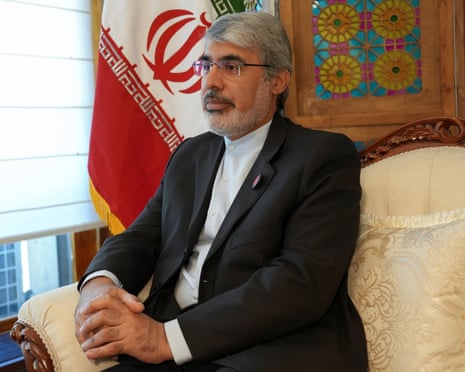
Diplomatic activity in the Middle East intensified Friday as Iranian state media confirmed Foreign Minister Abbas Araqchi is scheduled to arrive in Islamabad for high-stakes consultations aimed at de-escalating the ongoing conflict with the United States and Israel. The visit to Pakistan, a traditional intermediary between Tehran and Washington, has sparked cautious optimism that a pathway toward a formal ceasefire may be emerging despite weeks of devastating aerial campaigns and maritime blockades. Araqchi’s regional tour is expected to include subsequent stops in Muscat and Moscow, signaling a broader effort by the Iranian leadership to shore up diplomatic support and present a new proposal for ending the hostilities.
The Iranian state news agency, IRNA, reported that the primary objective of Araqchi’s mission is to discuss the "latest situation in the war imposed by the United States and the Israeli regime." Sources in Islamabad suggest that Pakistani officials have already received a preliminary framework for renewed negotiations, which they intend to relay to the White House. This development follows the collapse of direct talks earlier this week, a failure that led to an immediate escalation in rhetoric from both the Pentagon and the Trump administration.
Hopes rise for renewed US-Iran talks as Tehran’s foreign minister reported to be heading to Pakistan
The prospect of renewed US-Iran talks comes at a critical juncture for the global economy and regional security. In Washington, President Donald Trump has maintained a posture of "maximum pressure" combined with a stated willingness to reach what he characterizes as a "good deal." While speaking to reporters in the Oval Office, the president appeared to leave the door open for diplomacy but warned that he was in no hurry to finalize an agreement. When asked about his timeline for a peace deal, Trump replied, "Don’t rush me," suggesting that the U.S. believes its military advantage provides the luxury of patience.

Despite the president’s measured comments on the timeline, his administration has continued to ramp up military operations under the banner of "Operation Epic Fury." This 38-day bombing campaign has targeted Iranian missile launchers, command centers, and naval assets. U.S. officials claim the operation has successfully degraded 75% of its intended targets. However, the human and geopolitical costs have been significant, leading to calls from international figures, including Pope Leo XIV, for both nations to return to the negotiating table and replace the "recourse to violence" with a "culture of peace."
Military Pressure and the Blockade of the Strait of Hormuz
As Tehran’s foreign minister is reported to be heading to Pakistan, the situation on the water remains volatile. Defense Secretary Pete Hegseth and General Dan Caine, Chairman of the Joint Chiefs of Staff, held a briefing Friday to update the public on the status of the blockade in the Strait of Hormuz. Hegseth described a "real, full blockade" that has effectively halted the movement of Iranian "dark fleet" vessels and other unauthorized shipping. According to the Pentagon, 34 ships have been turned away from the waterway so far, as the U.S. Navy asserts "total control" over the strategic chokepoint.
The Department of Defense has issued a "shoot and kill" order targeting small Iranian boats observed deploying mines in the strait. This directive followed an incident where U.S. Special Forces boarded a stateless oil tanker in the Indian Ocean, which the Pentagon alleged was transporting Iranian crude oil in violation of international sanctions. Hegseth argued that the burden of the blockade lies with Tehran, accusing the Iranian regime of threatening global commerce and passenger vessels. "We are in control; nothing in, nothing out," Hegseth stated, while praising the "fortitude" of the commander-in-chief.
The economic impact of the maritime standoff has been felt across global markets. Oil prices saw significant volatility this week, with Brent crude briefly topping $107 per barrel before settling near the $100 mark. Financial analysts warn that a prolonged closure of the Strait of Hormuz could lead to a global energy crisis, as the waterway serves as the primary exit point for a massive portion of the world’s petroleum supply. European Council President Antonio Costa emphasized on Friday that the immediate reopening of the strait without restrictions is "vital for the entire world."
Strains within the NATO Alliance
The conflict has not only devastated regional infrastructure but has also created significant friction between the United States and its closest allies. A leaked internal Pentagon email has revealed deep-seated frustration within the Trump administration over the level of support provided by NATO members during the 38-day bombing campaign. The memo suggests that the U.S. should reassess its long-standing support for Britain’s claim to the Falkland Islands, citing the United Kingdom’s perceived reluctance to provide sufficient military assistance.
The leaked document also proposed the unprecedented step of suspending Spain from the NATO alliance. Prime Minister Pedro Sánchez has been a vocal critic of the war, refusing to grant the U.S. access, basing, and overflight rights (ABO) for strikes against Iran. In response, President Trump has threatened to terminate all trade with Spain. While Sánchez has played down the reports of potential "punishments," he reiterated that Spain remains a loyal member of the alliance but must act within the framework of international law. The U.S. Department of War press secretary, Kingsley Wilson, declined to comment on internal deliberations but noted that the president intends to ensure allies are no longer "paper tigers."
In the United Kingdom, Prime Minister Keir Starmer has faced a difficult balancing act. While the U.K. allowed B-1 and B-52 bombers to operate from RAF Fairford for "defensive" strikes, Starmer largely kept British forces out of the direct offensive. This led to a sharp rebuke from President Trump, who reportedly compared the British leader to Neville Chamberlain and dismissed the Royal Navy’s aircraft carriers as "toys." The tension highlights a growing divide in the transatlantic relationship over the conduct and objectives of the war in the Middle East.
Developments in Lebanon and Israel
While the world watches for signs of renewed US-Iran talks as Tehran’s foreign minister is reported to be heading to Pakistan, a separate but related conflict in Lebanon has seen a minor reprieve. President Trump announced a three-week extension of the ceasefire between Israel and Lebanon, expressing hope that the extension would allow leaders from both nations to meet face-to-face. However, the truce remains fragile. Recent Israeli airstrikes in Lebanon have drawn international condemnation, particularly following the death of journalist Amal Khalil and the wounding of her colleagues.
Human Rights Watch and the Lebanese government have labeled the targeting of journalists and rescue workers as "war crimes." Additionally, Indonesia’s Foreign Ministry confirmed on Friday that a fourth Indonesian peacekeeper has died from injuries sustained during an Israeli tank shelling in late March. The mounting civilian and UN casualty count has increased the pressure on the international community to find a durable solution to the regional crisis.
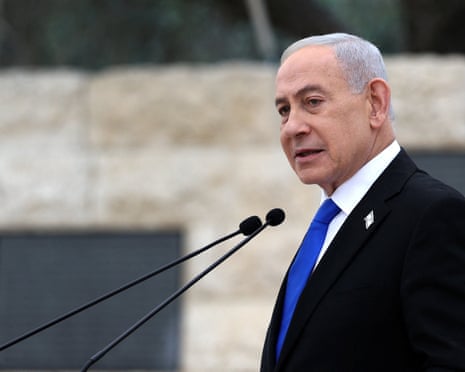
In Israel, Prime Minister Benjamin Netanyahu sought to project an image of stability on Friday by releasing his annual medical report. The prime minister disclosed that he had successfully undergone treatment for early-stage prostate cancer, asserting that he is now in "excellent physical condition." Netanyahu admitted to delaying the announcement by two months to prevent the Iranian government from using the information for "false propaganda." The disclosure follows weeks of rumors regarding his health that had been amplified by Iranian state media.
Global Consequences and the Path Forward
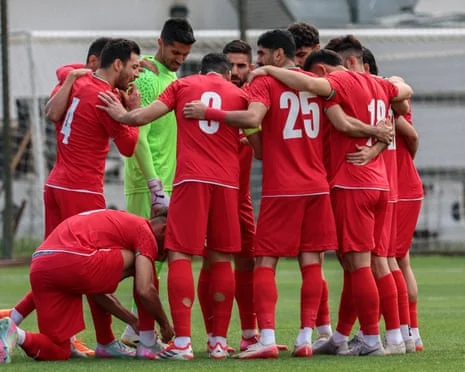
The geopolitical instability has cast a long shadow over international cultural and sporting events. Secretary of State Marco Rubio addressed rumors that Iran might be replaced by Italy in the upcoming 2026 World Cup. Rubio clarified that the U.S. government has no intention of barring Iranian athletes from participating, though he warned that members of the Iranian delegation with ties to the Islamic Revolutionary Guard Corps (IRGC) would be denied entry. Italian officials have already rejected the idea of replacing Iran, calling the suggestion "shameful."
As Abbas Araqchi prepares for his meetings in Islamabad, the central question remains whether the Iranian leadership can present a proposal that satisfies the Trump administration’s demands for a "good deal." The U.S. has signaled that any agreement must include a total cessation of mine-laying activities in the Strait of Hormuz and a verifiable end to the support of regional militias. On Friday, the U.S. State Department offered a $10 million reward for information on Hashim Finyan Rahim al-Saraji, the leader of a Tehran-backed militia in Iraq, further illustrating the ongoing clandestine confrontation between the two powers.
The coming days in Pakistan will likely determine the trajectory of the conflict for the remainder of the year. If the reported talks provide a breakthrough, the global economy may see a stabilization of energy prices and a gradual lifting of maritime blockades. If they fail, the Pentagon has indicated it is prepared to continue "Operation Epic Fury" indefinitely. For now, the international community remains in a state of anxious observation as the Middle East crisis continues to reshape global alliances and test the limits of modern diplomacy.