Erbil, Iraq – Iranian Kurdish opposition parties operating from bases within Iraq’s semi-autonomous Kurdistan Region and across the border inside Iran find themselves precariously positioned on the front lines of escalating regional conflict. Since the commencement of United States-Israel strikes against Iran on February 28, these groups have been placed on heightened alert, navigating a complex geopolitical landscape fraught with both opportunity and peril. The specter of these Iranian Kurdish fighters potentially entering the fray to challenge the Iranian government has fueled extensive discussion, with influential voices suggesting a strategic shift in regional dynamics.
Shifting Sands: US and Israeli Interest in Iranian Kurdish Fighters
Both U.S. President Donald Trump and Israeli leadership have publicly floated the idea of arming Iranian Kurdish fighters as a potential catalyst to alter the balance of power within Iran. Kurds constitute approximately 10 percent of Iran’s population, and their historical grievances and ongoing aspirations for greater autonomy make them a significant demographic within the country. The potential for these groups to leverage external support for internal dissent has become a focal point in discussions surrounding Iran’s future.
Leaders from several prominent Iranian Kurdish parties, speaking anonymously to Al Jazeera, confirmed the existence of substantial military formations and established organizational structures within Kurdish-inhabited areas of Iran. These internal networks complement their established headquarters and bases situated in the Kurdistan Region of northern Iraq. This dual presence allows them to exert influence both domestically and from a strategic external sanctuary.
The current predicament of Iranian Kurdish groups is rooted in a history of fluctuating support and strategic positioning. Following Iraq’s defeat in the 1990-1991 Gulf War, the imposition of a no-fly zone in northern Iraq and the subsequent establishment of the Kurdistan Regional Government (KRG) created an environment where Kurdish groups from both sides of the border could flourish. The U.S.-led invasion of Iraq in 2003 further solidified the relative insulation of Iranian Kurdish groups, allowing them to consolidate their presence and operations.
Formation of a United Front Amidst Escalating Tensions
In a significant development preceding the current hostilities, five Kurdish groups operating from Iraq and western Iran coalesced on February 22, 2026, to form the Coalition of Political Forces of Iranian Kurdistan. This coalition emerged as a direct response to what they described as the systematic suppression of protests within Iran. Since the initiation of the current conflict, the coalition’s military and political assets located in Iraq have been subjected to sustained attacks, primarily from Iranian drones and missiles.
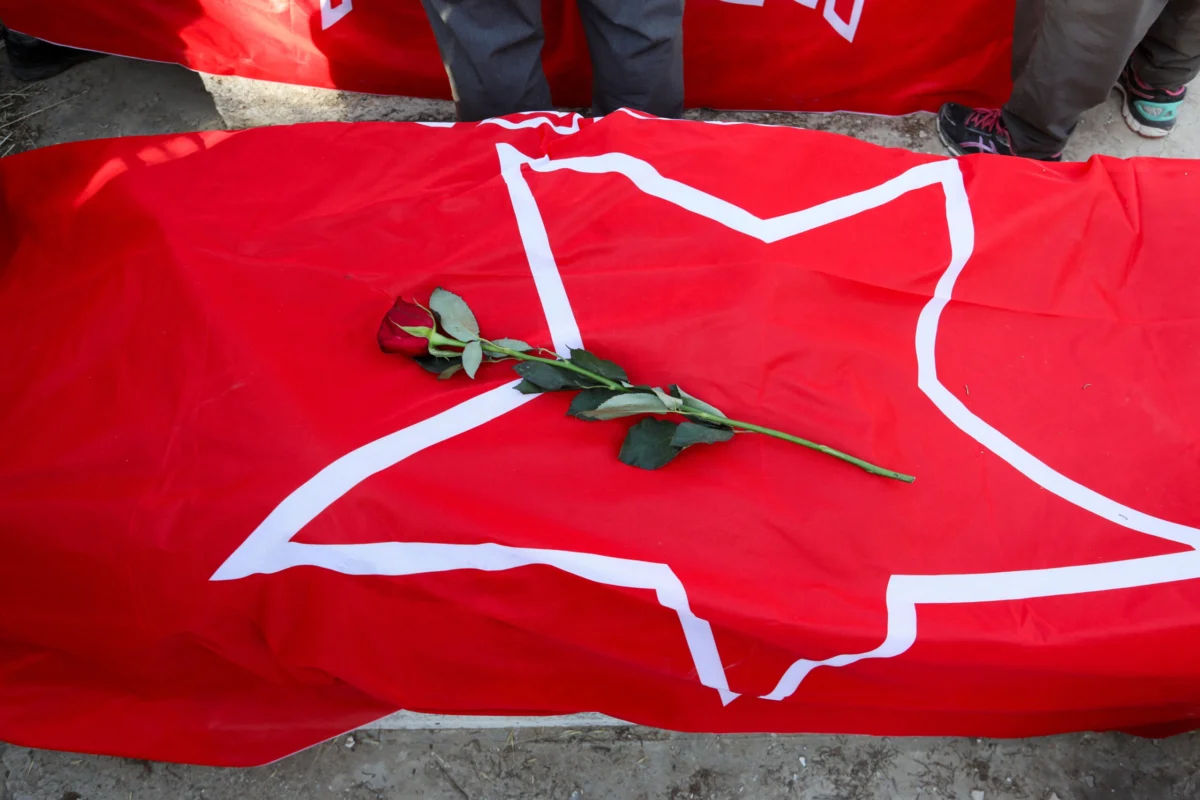
Kako Alyar, a member of the political bureau of the Komala Party of Iranian Kurdistan, detailed the party’s operational capabilities, asserting the existence of dormant cells and active networks within Iran. He stated these elements had actively participated in anti-government protests that occurred in December and January before being brutally suppressed by security forces. The intensity of the conflict has taken a direct toll on the party’s ranks, with Alyar reporting that 13 fighters connected to Komala had been killed in Iranian attacks since the war began.
"The outbreak of war has fundamentally altered the circumstances within the Kurdish areas, particularly after the Iranian authorities significantly tightened security measures and intensified their crackdown on protests," Alyar explained. He also clarified the party’s current position regarding external assistance, stating, "The party has not received any military assistance from the United States, nor from European or Arab countries, despite persistent demands for such support."

Ambiguous U.S. Posture and Iranian Retaliation
U.S. President Donald Trump’s pronouncements regarding the role of Kurdish groups in the ongoing U.S.-Israel military campaign against Iran have been characterized by a degree of ambiguity and shifting stances. However, reports have emerged detailing U.S. intelligence collaboration with Kurdish fighters, and the areas along the Iraq-Iran border have experienced particularly intense attacks since the conflict’s inception. Some analysts interpret this heightened activity as a potential indicator of Washington’s serious consideration of ground operations within Iran, potentially involving Iranian Kurdish groups.
Conversely, Iranian opposition fighters express skepticism regarding the viability and potential success of any large-scale military operation within Kurdish areas of Iran. They warn that such an endeavor would be fraught with immense risk and likely result in significant casualties for their side.
"At the present time, there are considerable risks, especially given the heavy deployment of Iranian forces in the Kurdish areas and along the border with the Kurdistan region," Alyar cautioned. This sentiment is echoed by the Kurdistan Regional Government (KRG), which has reportedly urged Iranian Kurdish parties to refrain from engaging in activities that could jeopardize local security and regional interests, mindful of the potential for Iranian reprisal.
A Precarious Existence: Navigating Regional Pressures
Various Iranian Kurdish groups, collectively estimated to command thousands of fighters, have historically opposed the Tehran government from their bases in northern Iraq and along the Iraq-Iran frontier. However, Iranian opposition leaders remain wary of explicit U.S. intentions concerning Iran, suggesting they have not witnessed any concrete commitment to regime change.
"They [the U.S.] do not appear to be interested in supporting forces inside Iran with the objective of toppling the regime. Their primary objective seems to be weakening Iranian influence in the Middle East," stated Rebaz Sharifi, a leader within the opposition Kurdistan Freedom Party of Iran, in an interview with Al Jazeera. Sharifi also categorically denied claims circulating on social media that his group had received weapons or military aid from the U.S. or other nations.
Despite these denials and the complexities of the geopolitical landscape, the Iranian military has actively pursued operations against Iranian Kurdish groups in northern Iraq. Reports surfaced on Friday detailing strikes targeting bases within the region. Iranian state media have openly acknowledged these attacks, characterizing them as operations against "anti-Iran separatist forces" located in remote areas near the Iran-Iraq border. Sharifi himself estimates that his party’s bases and positions have been targeted over 80 times since the current conflict began.
Prior to this current wave of hostilities, the KRG had exerted pressure on Iranian Kurdish parties to limit their movements, a strategic move aimed at safeguarding the autonomous region. However, within hours of the U.S.-Israel attacks on Iran in February, retaliatory strikes against U.S. assets in Iraq’s Kurdish region commenced, effectively drawing the area into the wider conflict. Economic targets, including oil fields, have also reportedly been hit in suspected drone and missile attacks, underscoring the escalating nature of the regional confrontation.
"We possess thousands of fighters… We could have undertaken more significant actions inside Iran, but we prioritize the security and stability of the Kurdistan Region above all else, and we do not wish to endanger the Kurdish population in Iraq," Sharifi emphasized. His comments reflect the difficult tightrope these groups must walk, balancing their aspirations with the immediate security concerns of their host region.

Iranian-linked fighter groups operating within Iraq have also been subjected to significant U.S. strikes, particularly following attacks on Saudi Arabia that were attributed to these groups earlier in the week. This indicates a broader U.S. strategy of targeting Iranian proxies and allies across the region as part of its broader confrontation with Tehran.
The Unfolding Equation: Iraq as a Geopolitical Chessboard
Iraq, as a whole, has become a theater for multiple attacks, both from pro-Iran groups and the Iranian Revolutionary Guard Corps (IRGC), as well as from U.S. forces targeting these same Iraqi factions. This complex web of retaliatory actions and strategic strikes places Iraq in a precarious position, caught between competing regional and international powers.
Soran Palani, an expert on Iranian affairs and an Iranian Kurdish citizen, views the current situation for Iranian Kurdish parties as an exceptionally complex equation. "Iraq’s Kurdistan Region has provided these parties with a vital space for political, organizational, and military activity. However, this same sanctuary simultaneously renders the region vulnerable to the repercussions of any confrontation between them and Tehran," Palani explained.
He further highlighted the critical absence of direct support from Arab, European, and American nations as a significant impediment preventing Iranian Kurdish parties from making a decisive move to escalate their operations. Palani noted that Iran has, over recent years, successfully cultivated extensive influence across Iraq, Syria, Lebanon, and Yemen, in addition to bolstering its allies in Palestinian territories.
"Arab countries have, in return, not provided similar support to Arab-Iranian opposition movements, particularly in the Ahwaz region. This reality makes it difficult to anticipate Iranian Kurdish parties receiving direct Arab backing should they decide to open a military front inside Iran," he added. This lack of robust regional backing leaves the Iranian Kurdish groups in a more isolated and vulnerable position.
The Iraqi government has publicly stated that Iraq must not serve as a launchpad for attacks against neighboring countries. This declaration underscores Baghdad’s desire to distance itself from the regional proxy conflicts and maintain its own sovereignty and stability.
A Historic Juncture: The Quest for Regime Change
The pivotal question now facing Iranian Kurdish parties is whether the current regional conflict will evolve into a broader project aimed at achieving regime change in Tehran. For many Kurds, both within Iran and in the diaspora, the collapse of the current Iranian regime could represent a historic opportunity to achieve long-sought political aspirations.
However, such a scenario also carries the potential for significant instability, including the emergence of a major security vacuum and widespread turmoil across Iran and the wider region. The ensuing phase of this ongoing conflict is poised to be a critical determinant for Iranian Kurds, Iran itself, the United States, Iraq, and the broader Middle Eastern geopolitical landscape. The delicate balance Iranian Kurdish parties are currently maintaining may soon be irrevocably tipped by the unfolding events.