As Israel gears up for its general elections on October 27, the political landscape is defined by a profound internal division, with voters grappling with fundamental questions about the nation’s identity and future, largely overshadowing traditional foreign policy debates. Analysts, sociologists, and pollsters agree that these elections are critical, poised to reshape the country’s trajectory amidst unprecedented domestic anxieties and the lingering trauma of recent events.
Shifting Political Fault Lines in Israeli Elections
Historically, the relationship with the Palestinians has been a central dividing line between Israel’s right and liberal wings. However, the current political climate reveals a near-universal animosity towards Palestinians and a widespread dismissal of the prospect of a two-state solution. This shift has fundamentally altered the electoral calculus, pushing domestic issues to the forefront of voter concerns.
Jewish Israeli voters in this legislative election face a stark choice concerning the very nature of Israeli democracy. They are confronted with vastly different visions of what the state represents, the legitimacy of governing coalitions, and the integrity of democratic norms. The implications of these choices extend beyond policy, touching upon the core principles of Israeli society.
Meanwhile, Palestinian citizens of Israel, among those eligible to vote, find themselves in a precarious position. Their primary hope rests on the formation of a coalition government that might finally address the pervasive violence and lawlessness plaguing their communities. The ongoing neglect of these issues amplifies their sense of disenfranchisement.

The Shadow of October 7 and Its Political Fallout
The specter of October 7, 2023, looms large over the impending elections, casting a long shadow over all other political considerations. The Hamas-led raids, which claimed the lives of 1,139 people, and the subsequent Israeli military counteroffensive have indelibly marked the national consciousness. This event, endlessly replayed and analyzed on Israeli television, continues to dominate public discourse.
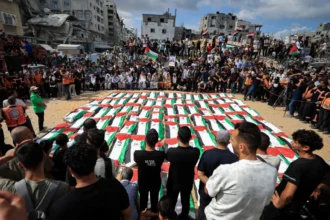
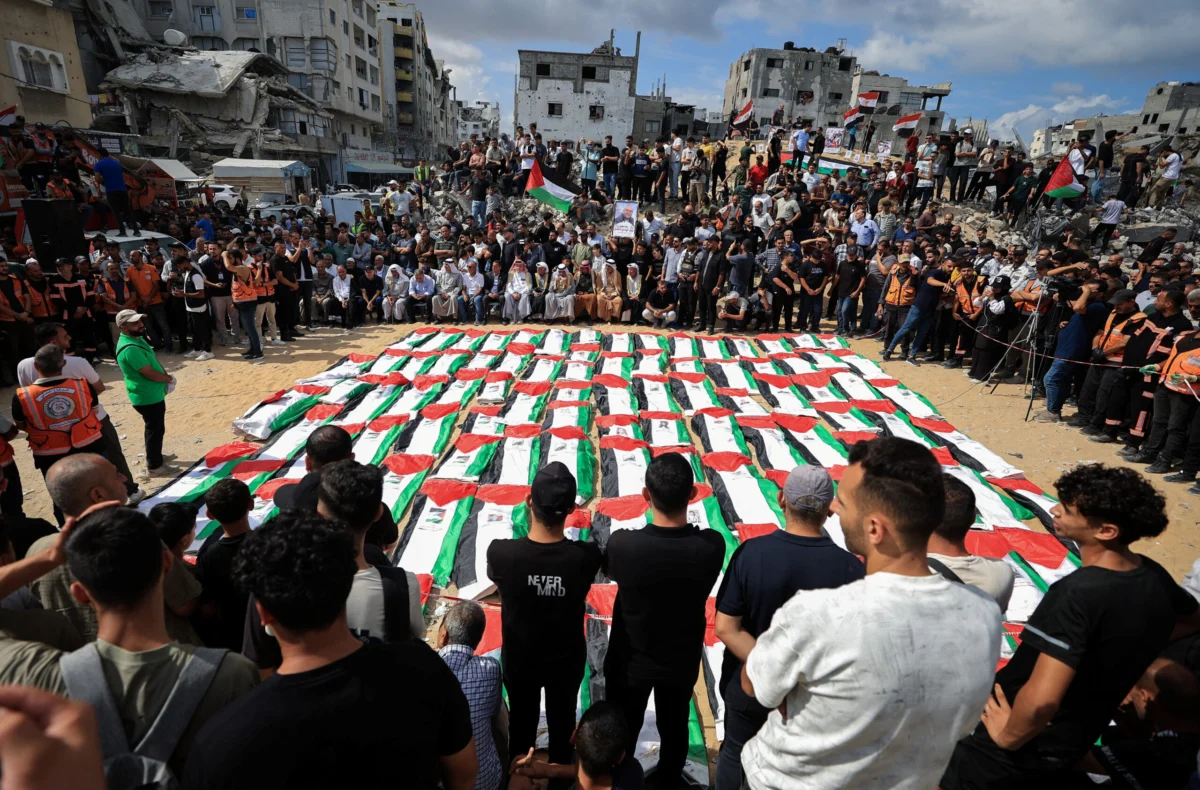
In stark contrast, the plight of the estimated 73,387 Palestinians killed in Gaza since that fateful day remains largely marginalized in the Israeli popular consciousness. This disparity in attention underscores a deeply entrenched division in how the conflict and its human cost are perceived. The urgent questions about coexistence or the potential for an independent Palestinian state, once central to discussions following the 1990s Oslo Accords, have been entirely sidelined.
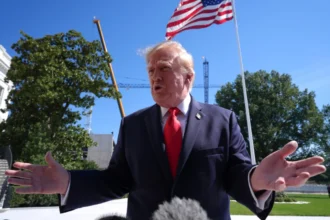
Instead, the immediate focus for many Israelis is an inquiry into the security failures that allowed the October 7 attack to occur, with particular scrutiny directed at Prime Minister Benjamin Netanyahu’s role. The Prime Minister has consistently resisted calls for such an inquiry, often citing the ongoing military operations as a reason to postpone accountability.
The Anti-Netanyahu Sentiment and Governance Concerns
Beyond the security implications of October 7, a significant portion of the Israeli electorate appears driven by a desire to remove Prime Minister Netanyahu from power. Sociologist Yehouda Shenhav-Shahrabani notes that this sentiment extends beyond concerns about his ongoing corruption trials, suggesting a broader disillusionment with his leadership. Many perceive him as being at the center of many of the country’s current ills.
Even within his own Likud party, there is a palpable reluctance to support Netanyahu, according to Shenhav-Shahrabani. The opposition, while often ideologically aligned with the right-wing government, is largely unified under the banner of being the "Anti-Netanyahu bloc." This unified opposition, however, faces its own challenges in presenting a cohesive alternative vision.

Deepening Divides Over Israeli Democracy and Judicial Overhaul
The elections are also being fought on the battleground of governance and the integrity of Israel’s democratic institutions. Critics accuse Prime Minister Netanyahu of systematically undermining democratic norms, most notably through attempts to curb the power of the judiciary. The proposed judicial overhaul in 2023, aimed at reducing judicial oversight of government actions, is seen by many as an assault on the state’s foundational checks and balances.
Further exacerbating these concerns is the alleged appointment of loyalists to key positions within the security services. A sustained campaign by the far-right to oust Attorney General Gali Baharav-Miara, the official responsible for overseeing the legality of government conduct, highlights the deep divisions within the legal and political establishment. National Security Minister Itamar Ben-Gvir has explicitly made Baharav-Miara’s dismissal a prerequisite for joining any future coalition government.
Mairav Zonszein of Crisis Group emphasizes that the dominant issues for voters are overwhelmingly domestic. The contentious judicial overhaul is at the heart of this debate, with critics viewing it as fundamentally anti-democratic. Conversely, secular and liberal opposition factions see this election as a critical juncture to safeguard Israeli democracy and reinstate eroded institutional strength.
Zonszein observes that Israeli politicians across the spectrum are actively avoiding engagement with the Palestinian issue, opting instead to focus on the domestic anxieties of Jewish Israeli voters. The consensus, she explains, is that while the Palestinian issue is no longer completely ignored, it remains largely sidelined, with the understanding that a Palestinian state is off the table in the current post-October 7 environment.
The Marginalization of Palestinian Citizens of Israel
The political exclusion of Palestinian citizens of Israel is a stark reality of the current electoral landscape. Most mainstream Jewish parties have explicitly ruled out forming governing coalitions with Arab parties. Finance Minister Bezalel Smotrich has gone as far as to describe such a prospect as "worse" than the October 7 attacks.

Even the coalition that previously unseated Netanyahu, which included the Arab Ra’am party, has not committed to incorporating parties representing Palestinian citizens of Israel into a future government. This political isolation leaves a significant portion of Israel’s population without representation amidst escalating violence and organized crime in their communities, issues many believe the government has deliberately allowed to fester.
The human cost of this neglect is tragically evident in the rising death toll. This year alone, 158 Palestinian citizens of Israel have been murdered. Sociologist Shenhav-Shahrabani describes the current atmosphere as significantly darker, with pre-existing tendencies towards violence and right-wing rhetoric having been accelerated under the current government, representing a regression.
Many Palestinians also feel that the pervasive lawlessness within their neighborhoods, coupled with settler violence in the occupied West Bank, is a deliberate strategy to suppress their participation in the electoral process. Shenhav-Shahrabani points to a stark lack of sympathy for Palestinians within much of Israeli society, fueling the perception of growing impunity.
The Haredi Conscription Debate: A New Frontline
A new and increasingly combustible fault line in Israeli politics revolves around the issue of military conscription for the ultra-Orthodox, or Haredi, community. Parties representing this demographic, Shas and United Torah Judaism (UTJ), are likely to prioritize preventing attempts to draft their members into the military. This refusal has become particularly contentious in the context of ongoing deployments in Gaza, Lebanon, and Syria.
Haredi leaders maintain that full-time Torah study is their sacred national calling and provides essential "spiritual protection" for the Jewish people. Their refusal to serve has ignited heated rhetoric from secular politicians, some of whom have been accused of inflammatory language. Protests against conscription efforts have seen thousands of Haredi men block major thoroughfares, leading to confrontations with counter-protesters.

Nimrod Flaschenberg, an Israeli political analyst, finds the prominence given to the Haredi conscription issue unusual, especially when contrasted with the scale of the ongoing conflict in Gaza. He suggests this focus is a consequence of the heightened militarism that has permeated Israeli society since October 7. In a climate where every soldier’s death is a national tragedy and reservists serve for extended periods, the ultra-Orthodox exemption becomes a difficult issue to ignore.
The outcome of these multifaceted challenges – the lingering trauma of October 7, the debate over democratic norms, the plight of Palestinian citizens, and the Haredi conscription dispute – will undoubtedly shape the results of the upcoming elections and the future direction of Israeli politics. For Palestinians, both within Israel and in the occupied territories, the current political climate offers scant optimism.