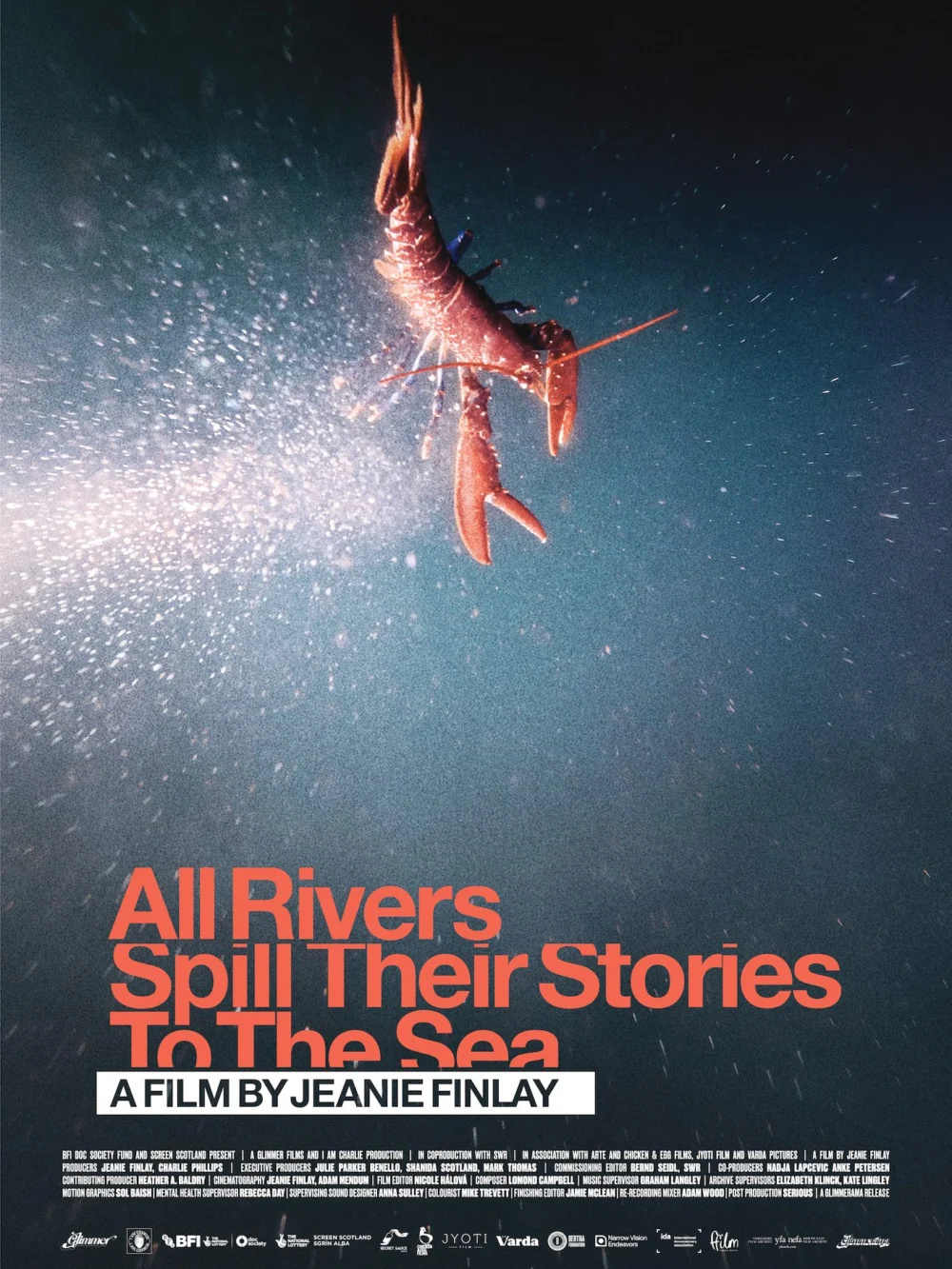
British filmmaker Jeanie Finlay is set to world premiere her latest documentary, All Rivers Spill Their Stories to the Sea, at the 23rd edition of CPH:DOX, the Copenhagen International Documentary Film Festival, on March 17. The film transports audiences to Finlay’s native Teesside in North East England, chronicling a modern-day David and Goliath struggle involving a local fisherman, a mysterious mass death of crustaceans, and the contentious aftermath of industrial development.
Finlay, renowned for her empathetic approach to storytelling and her focus on marginalized voices, has built a distinguished career with works like Your Fat Friend, Seahorse, and Orion: The Man Who Would Be King. Her films consistently illuminate individuals and communities often overlooked by mainstream media, offering cinematic narratives that resonate with universal themes. All Rivers Spill Their Stories to the Sea continues this tradition, casting a spotlight on a localized environmental crisis with far-reaching implications.
A Filmmaker’s Focus on the Unheard
Jeanie Finlay’s filmography reflects a consistent commitment to authentic representation and a nuanced exploration of human experience. From the intimate portrayal of an online activist in Your Fat Friend to the poignant journey of a transgender man giving birth in Seahorse, Finlay demonstrates a unique ability to forge deep connections with her subjects. Her previous work, Sound It Out, filmed in Teesside in 2011, explored the last surviving record shop in the area, earning acclaim for its genuine portrayal of local life without resorting to caricature.
This established reputation for integrity and deep immersion has allowed Finlay to gain trust in communities often wary of external media portrayals. Her method aims to counteract what she terms "poverty safaris," instead offering films that the subjects themselves can recognize as true reflections of their lives and struggles. This philosophy is central to All Rivers Spill Their Stories to the Sea, ensuring that the narrative remains rooted in the experiences of the Teesside fishing community.
The Genesis of "All Rivers Spill Their Stories to the Sea"
The inspiration for All Rivers Spill Their Stories to the Sea emerged organically from Finlay’s personal life. Her mother, a regular swimmer in the North Sea, brought the unfolding crisis to Finlay’s attention by sharing photographs of local protests. These images depicted signs questioning, "Why did the crabs die?" sparking Finlay’s immediate curiosity about the unusual events in her hometown.
Finlay quickly recognized the narrative potential within the seemingly hyperlocal incident. She identified it as a story possessing international significance, capable of exploring broader themes of environmental justice, community resilience, and the impact of industrial expansion. For Finlay, embarking on her tenth feature, the urgency to tell this particular story was clear and compelling.
Teesside’s Environmental Crisis: A "Biblical Plague"
The core of the documentary revolves around a catastrophic event that struck the Teesside coastline. Fisherman Stan Rennie, whose family has worked these waters for centuries, found his world irrevocably altered. A synopsis for the film describes a "vast tide of poisoned crabs and lobsters" washing ashore, likened to a "biblical plague." This devastating ecological event occurred "in the wake of a new Brexit-fueled development" along the same stretch of coastline, raising critical questions about potential industrial culpability.
The film poses a poignant question: "Have the sins of the industrial past come back to haunt the present?" This query underscores the complex legacy of Teesside, a region with a rich industrial history, now facing the potential environmental consequences of modern developments. The mass crustacean deaths ignited widespread concern among locals, transforming a local environmental issue into a battle for truth and accountability.
Stan Rennie: The Unlikely Figurehead
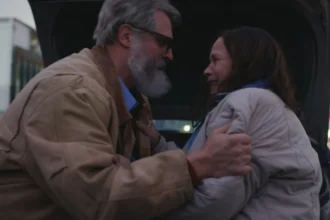
At the heart of All Rivers Spill Their Stories to the Sea is Stan Rennie, a fisherman who has dedicated over five decades to the North East England coastline. Beyond the fight for his livelihood, Rennie contends with his own deteriorating health, rendering his struggle a multifaceted battle for both his business and his future. This personal adversity transforms him into an unexpected leader for a burgeoning grassroots campaign.

Rennie’s journey becomes a powerful illustration of ordinary individuals finding collective strength. The campaign he spearheads aims to unearth uncomfortable truths surrounding the environmental disaster. The film captures the unique spirit of the Teesside community, characterized by an enduring heart, unwavering determination, and a distinct brand of gallows humor that helps them navigate hardship.
Crafting the Narrative: Immersive Filmmaking
The production of All Rivers Spill Their Stories to the Sea involved Finlay’s deep immersion into the lives of the Teesside fishing community. The documentary was directed and produced by Finlay, with cinematography by both Finlay and Mark Bushnell, and edited by Nicole Halova. Finlay’s hands-on approach extended to learning practical skills within the male-dominated fishing world.
During the four years of filming, Finlay recounted a memorable instance where Stan Rennie instructed her to helm his fishing boat. This experience, though initially challenging, allowed her to gain a deeper appreciation for the trade and the environment the fishermen navigate daily. Such immersive experiences are characteristic of Finlay’s filmmaking style, fostering authenticity and building trust with her subjects.
The Power of Microcosmic Storytelling
Finlay firmly advocates for "microcosmic filmmaking," a style that champions hyperlocal narratives as pathways to universal understanding. She believes that the more specific and distinct a story is, the more accessible and relatable it becomes to a global audience. This approach challenges prevailing media tendencies to present generalized or often stereotypical portrayals of regions outside major metropolitan centers.
Her experience with Sound It Out solidified her conviction that films can counter reductive "poverty safaris" by presenting authentic, multi-dimensional characters and communities. For All Rivers Spill Their Stories to the Sea, ensuring that Stan Rennie and his family recognize themselves and their journey accurately reflected on screen was paramount. Finlay aims to amplify voices that traditionally lack public platforms, using the expansive canvas of the cinema screen to elevate intimate stories.
Challenging Narratives and the Role of Documentaries
Finlay sees her work as a vital tool for challenging commonly held narratives and offering audiences new ways to perceive the world. Growing up in Teesside, cinema provided her a window into broader realities, and she strives to replicate that experience for her viewers. She contends that documentaries, especially long-form observational films, maintain critical relevance in an age dominated by social media.
In an environment where social media often rewards binary positions and simplifies complex issues, feature-length documentaries offer the luxury of unfolding stories over extended periods—sometimes three or four years. This longitudinal approach allows filmmakers to depict change over time, providing a nuanced perspective that algorithms and short-form content cannot replicate. Finlay emphasizes the enduring power and joy inherent in this form of observational storytelling.
Global Premiere and Future Endeavors
All Rivers Spill Their Stories to the Sea will debut in the F:ACT competition at CPH:DOX, one of the world’s most significant documentary film festivals. The festival provides a crucial platform for independent filmmakers to showcase their work and engage with an international audience. The film’s premiere marks a significant moment for the Teesside community, bringing their struggle to a global stage.
While focusing on the release of All Rivers Spill Their Stories to the Sea, Finlay has also shared a glimpse into her next project: a historical narrative about an "untold story of a woman that everyone should know about." This upcoming film signals Finlay’s continued dedication to uncovering and sharing impactful stories from diverse backgrounds.
Ahead of its premiere, an exclusive clip from All Rivers Spill Their Stories to the Sea offers a preview of the challenges faced by fisherman Stan Rennie and his community. The footage delves into themes of tradition and the harsh economic realities of the fishing industry, hinting at the unsettling circumstances that underscore the documentary’s central mystery. The film promises a compelling exploration of an environmental enigma and the tenacious spirit of those fighting for their home and livelihood.