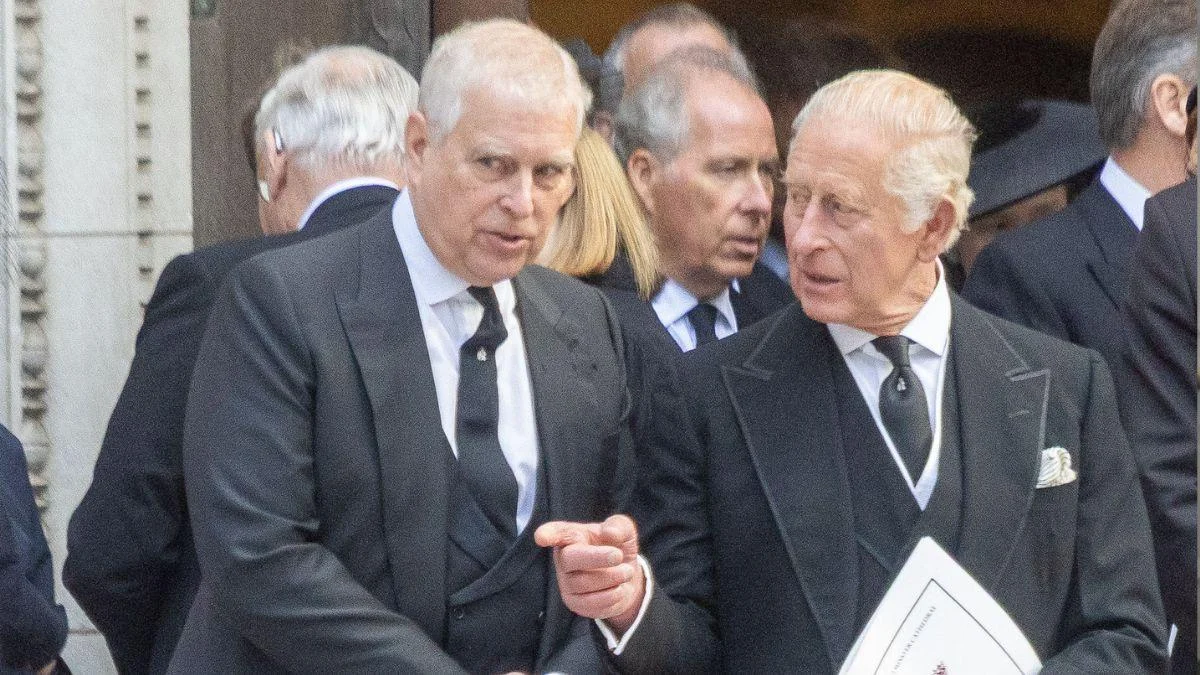
Andrew Mountbatten-Windsor is reportedly attempting to coerce King Charles into financing his mounting legal defense costs related to the Jeffrey Epstein scandal, allegedly leveraging a threat to disclose sensitive, potentially embarrassing information about the royal family. Sources close to Buckingham Palace indicate that the Duke of York, stripped of his royal duties and HRH style, believes his legal predicament has wider implications for the monarchy and thus demands financial support from the reigning monarch. The unfolding drama presents King Charles with a profound dilemma: accede to his brother’s demands and risk accusations of a cover-up, or refuse and face the potential fallout of unprecedented royal revelations.
The Duke’s Legal Defense and Royal Entanglements
The alleged pressure campaign follows Andrew Mountbatten-Windsor’s arrest in February 2026, a development that royal observers indicate deeply shocked the former prince. He had reportedly believed his status within the royal family would shield him from such direct legal action. This recent arrest reignites the long-running controversy surrounding his association with convicted sex offender Jeffrey Epstein and the allegations of sexual assault made against him.
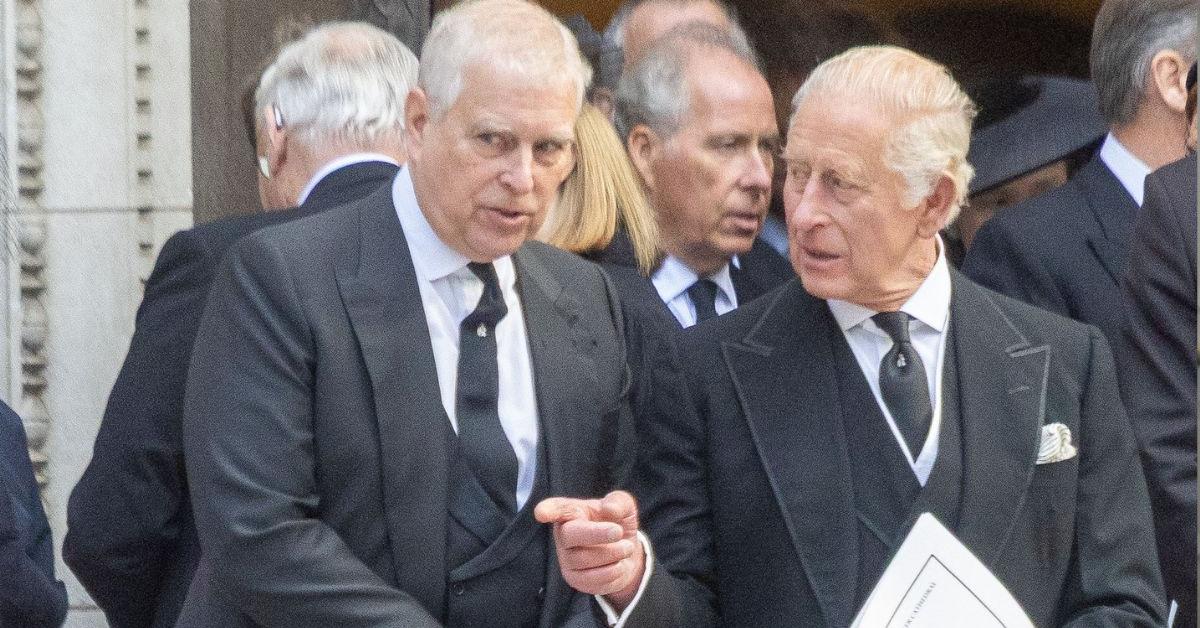
Andrew has consistently denied any wrongdoing in connection with Epstein. He previously settled a civil lawsuit in the United States brought by Virginia Giuffre, one of Epstein’s most prominent accusers, without admitting liability. Despite the civil settlement, the lingering accusations and the recent criminal investigation have continued to cast a long shadow over the Duke and, by extension, the British monarchy.
King Charles’s Dilemma: Loyalty vs. The Crown’s Integrity
The King finds himself in a precarious position, balancing fraternal loyalty with the imperative to safeguard the monarchy’s integrity and public image. Insiders report that Andrew Mountbatten-Windsor argues that the consequences of his legal battles extend beyond his personal fate, directly impacting the perception and stability of the entire royal family. From his viewpoint, King Charles bears a responsibility to ensure he possesses the necessary resources for a robust legal defense, rather than leaving him to navigate the crisis alone.
King Charles has publicly maintained a stance emphasizing transparency and cooperation with the legal process, a position that has reportedly infuriated his younger brother. Andrew views the King’s approach as a form of abandonment, interpreting it as a refusal to offer protective support when he feels he needs his family most. This perceived lack of solidarity has only intensified Andrew’s resolve to seek financial assistance, even through unconventional means.
Unprecedented Pressure: Andrew Mountbatten-Windsor’s Gambit
The core of Andrew Mountbatten-Windsor’s alleged strategy lies in his veiled threat to reveal "sensitive matters that could be embarrassing if they were ever made public." Those within palace circles describe this as a clear attempt to exert leverage, a form of pressure that borders on blackmail. The nature of these alleged secrets remains unspecified, but the implication is that they concern historical events or previously undisclosed incidents within the royal family, potentially damaging to its reputation.
This tactic has reportedly caused significant unease among palace staff and senior royals. The prospect of Andrew, a former senior member of the Firm, publicly disclosing intimate details or compromising information about the institution he once served, represents an unprecedented challenge to the monarchy’s long-held tradition of discretion and unity. The fear is that such revelations, regardless of their veracity, could ignite fresh scandals and further erode public trust.
Background of the Epstein Scandal and Royal Fallout
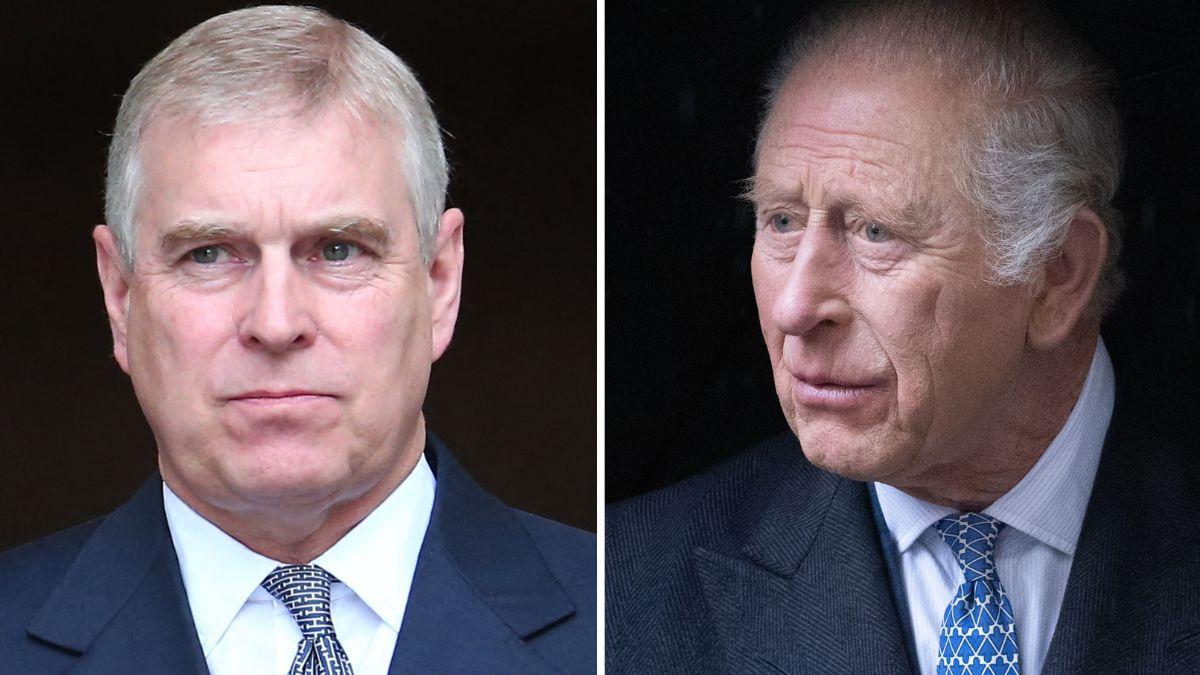
Andrew Mountbatten-Windsor’s association with Jeffrey Epstein came under intense scrutiny following Epstein’s arrest in 2019 on sex trafficking charges. The Duke’s friendship with Epstein, which continued even after Epstein’s initial conviction in 2008, sparked widespread public outrage and condemnation. A disastrous BBC Newsnight interview in November 2019, where Andrew attempted to explain his relationship with Epstein and deny Giuffre’s allegations, only exacerbated the crisis, leading to his swift withdrawal from public duties.
In January 2022, ahead of the civil lawsuit brought by Virginia Giuffre, Queen Elizabeth II stripped Andrew of his military titles and royal patronages, and he ceased using his "His Royal Highness" style in public. This move effectively severed his official ties to the monarchy, a decision widely seen as an attempt to protect the institution from further reputational damage. The subsequent settlement of Giuffre’s lawsuit, reportedly for a significant sum, further underscored the severity of the allegations, even without an admission of guilt.
Implications for the Monarchy and Public Trust
The current standoff between Andrew Mountbatten-Windsor and King Charles carries profound implications for the future of the British monarchy. King Charles, who has sought to modernize and streamline the institution since his ascension, faces a direct challenge to his authority and his vision for a transparent and accountable royal family. Funding Andrew’s legal defense under duress could be perceived as capitulating to threats, undermining the King’s commitment to "the law taking its course."
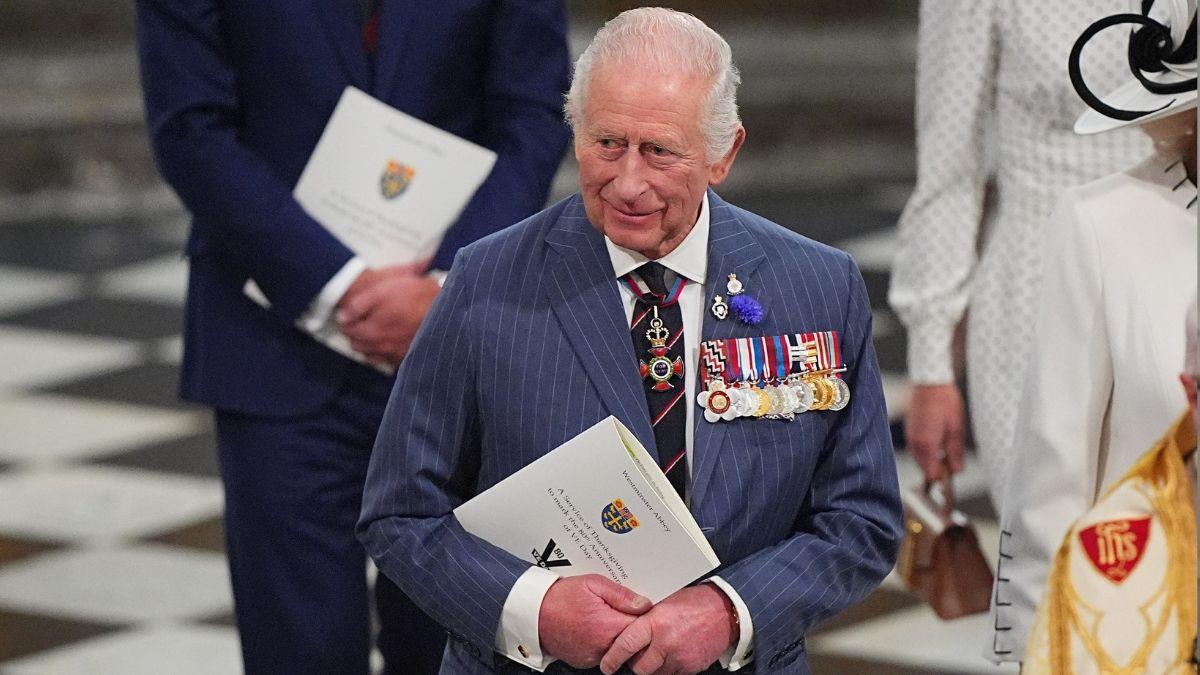
Conversely, allowing Andrew to face his legal battles without financial support, and potentially triggering his threatened disclosures, could plunge the monarchy into an even deeper crisis. The public, already wary of royal scandals, might view any new revelations as further evidence of a secretive and out-of-touch institution. This could fuel republican sentiment and weaken the monarchy’s standing both domestically and internationally. The decision King Charles makes will undoubtedly shape the narrative of his early reign and the monarchy’s trajectory.
The Price of Silence: Andrew Mountbatten-Windsor’s Threat
Andrew Mountbatten-Windsor’s alleged threat is rooted in a perceived injustice. He reportedly feels scapegoated, bearing the brunt of a scandal that he believes has wider, unacknowledged connections within royal circles. This sense of being "singled out" and "abandoned" by his family, particularly by his brother, appears to be fueling his determination to fight back, even if it means jeopardizing the institution.
Sources indicate Andrew is now meticulously documenting his memories of past events, conversations, and meetings within royal circles. This detailed record-keeping is seen as a protective measure, intended to arm him with information to challenge any claims made against him and to serve as leverage should he be forced to "fight this battle without support." His stated readiness to defend himself and refusal to "simply sit back and accept the narrative" highlights the depth of his anger and his willingness to use any means necessary.
Reactions and Potential Next Steps
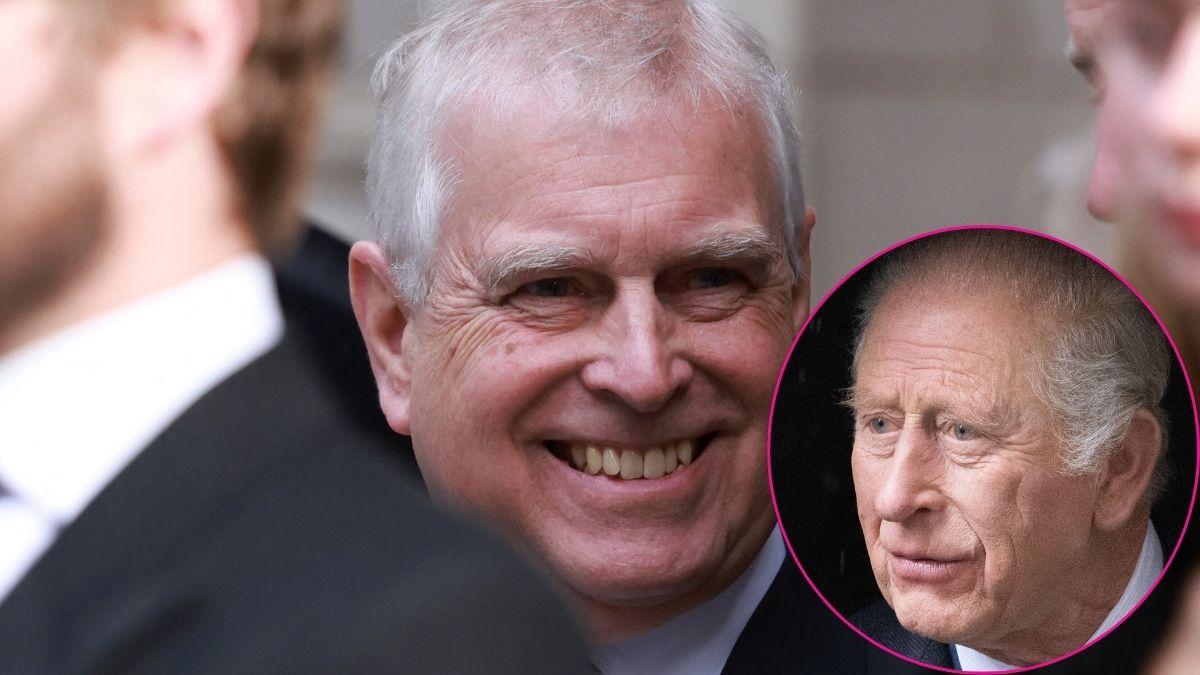
The internal struggle within the House of Windsor has created a palpable tension behind palace walls. Royal aides acknowledge the unprecedented nature of Andrew Mountbatten-Windsor’s alleged demands and the seriousness of his veiled threats. The situation places immense pressure on King Charles, who must navigate a complex landscape of family loyalty, institutional duty, public expectation, and legal obligations.
The coming months are expected to be critical. King Charles’s response to his brother’s alleged pressure will be closely watched by the public, the media, and international observers. Any perceived weakness or capitulation could undermine the monarchy’s authority, while a firm refusal could unleash a torrent of potentially damaging information. The outcome of Andrew’s legal proceedings, combined with the King’s handling of this delicate family crisis, will significantly influence the monarchy’s enduring relevance and its capacity to maintain public confidence in an increasingly scrutinized modern world.