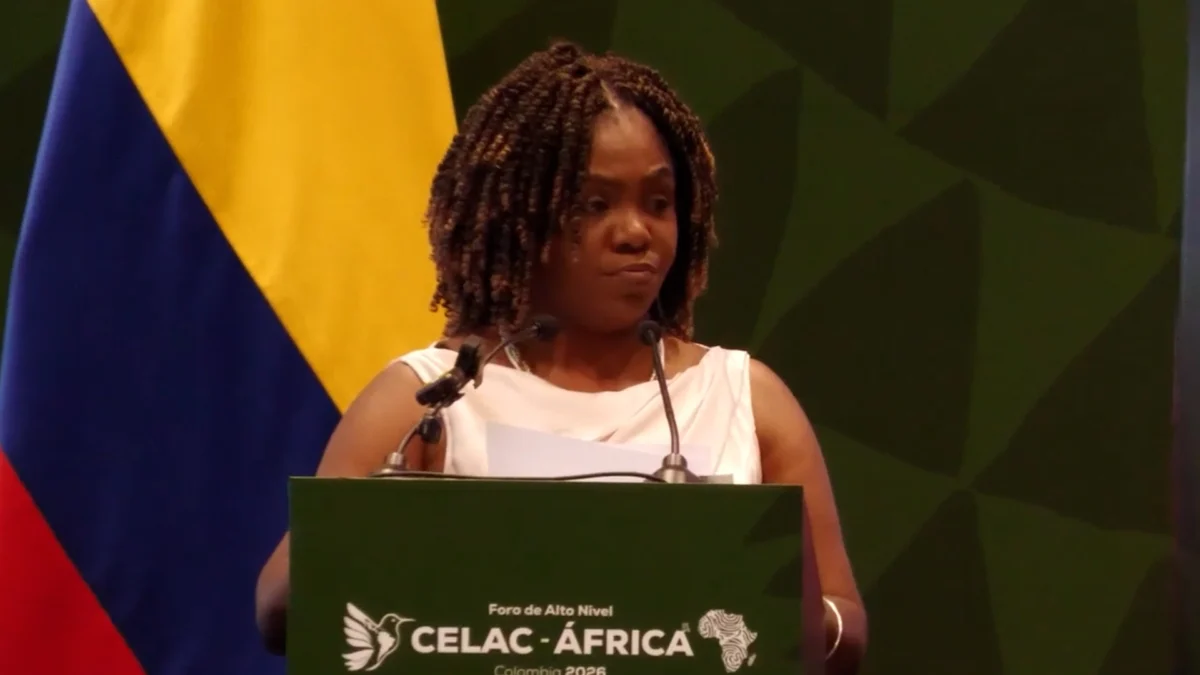
Colombia’s Vice President Francia Márquez has issued a powerful call for a renewed and strengthened alliance between Latin America and Africa, asserting that historical colonial powers deliberately fostered isolation to maintain dominance. Speaking in a significant address, Márquez urged for deeper economic, political, and cultural ties to counter these enduring legacies and foster collective growth and self-determination for nations of the Global South. Her remarks underscore a growing sentiment among developing nations to forge independent pathways and reclaim agency in the global arena.
Rekindling Historical Bonds for a Shared Future
Vice President Márquez’s appeal is rooted in a deep understanding of shared historical experiences. For centuries, colonial powers implemented policies designed to fragment potential alliances and pit nascent nations against each other, thereby preventing the emergence of unified blocs that could challenge established hierarchies. This strategy, Márquez argues, has left many nations in the Global South grappling with persistent economic disparities and limited leverage on the international stage.
The Colombian VP’s vision centers on reactivating and amplifying the connections that historically existed between these regions, long before the advent of European colonialism. She emphasized that these historical ties, often overlooked or deliberately suppressed, hold the key to unlocking immense potential for mutual development and shared prosperity. By working together, Márquez believes, Latin American and African nations can build a more equitable global order.
The Lingering Shadow of Colonialism
Francia Márquez’s critique of colonialism extends beyond its historical impact, highlighting its continuing influence on contemporary global dynamics. The economic structures, political systems, and even cultural narratives inherited from the colonial era continue to perpetuate inequalities and dependency. These structures, she posited, serve to maintain a global order that disproportionately benefits former colonizing powers.
The Vice President’s assertion that colonialism “did its job of isolating us” is a stark reminder of the deliberate strategies employed to prevent solidarity. This isolation made it easier for colonial powers to exploit resources, control trade, and impose their will without significant unified opposition. Márquez’s call to action is, therefore, an effort to dismantle these lingering barriers and forge a new era of cooperation.
Charting a Course for Economic Empowerment
A central pillar of Márquez’s initiative is the pursuit of economic empowerment for the Global South. She envisions a future where Latin America and Africa can reduce their reliance on external markets and financial institutions, which are often perceived as perpetuating neo-colonial economic relationships. By fostering intra-regional trade, investment, and technological exchange, these nations can build more resilient and self-sufficient economies.
This push for economic independence involves not only strengthening bilateral trade agreements but also exploring new models of cooperation. Márquez highlighted the potential for joint ventures in critical sectors such as renewable energy, agriculture, and manufacturing. Such collaborations could lead to shared technological advancements, the creation of new industries, and ultimately, greater economic sovereignty for participating nations.
Amplifying Political Voices and Global Influence
Beyond economics, Márquez’s vision for enhanced Latin America-Africa ties also encompasses a significant amplification of political voices on the global stage. She argued that a united front would provide these nations with greater leverage in international forums, enabling them to advocate more effectively for their interests and shape global policies. This collective political weight could lead to a more representative and equitable international system.
The Vice President’s call resonates with a broader movement within the Global South to reform international institutions. Many nations feel that existing bodies, such as the United Nations Security Council and the International Monetary Fund, do not adequately reflect the current global power distribution and often reflect the interests of historically dominant nations. A stronger alliance could empower these countries to demand meaningful reforms and secure a more equitable representation.
The Cultural Imperative: Reclaiming Narratives
Francia Márquez also stressed the crucial role of cultural exchange and understanding in strengthening the bonds between Latin America and Africa. She pointed out that colonial legacies have often led to a devaluation of indigenous and African cultures, while promoting Western cultural norms. Reclaiming and celebrating these rich cultural heritages is essential for fostering a sense of shared identity and pride.
Increased cultural collaboration, through art, music, literature, and academic exchange, can help dismantle stereotypes and build bridges of empathy and mutual respect. This cultural renaissance is seen as vital for fostering genuine solidarity and ensuring that the narratives of the Global South are heard and valued globally. It represents a conscious effort to decolonize minds and celebrate the diversity of human experience.
Historical Precedents and Contemporary Relevance
The historical connections between Latin America and Africa are undeniable, stemming from the transatlantic slave trade and subsequent migration patterns. Millions of Africans were forcibly brought to the Americas, leaving an indelible mark on the cultures, societies, and economies of the region. Recognizing and honoring this shared history is a foundational element of Márquez’s proposal.
In contemporary times, the challenges faced by many nations in both continents—including poverty, inequality, climate change, and external economic pressures—underscore the urgency of cooperation. Márquez’s initiative is not merely about historical remembrance but about forging practical solutions for present-day challenges through collective action.
A Call for Concrete Action and Future Collaboration
Vice President Márquez’s pronouncements are not just rhetorical flourishes; they represent a strategic imperative for the future of the Global South. Her call for stronger Latin America-Africa ties is a direct challenge to the existing global order and an invitation to build a more just and equitable world. The coming years will likely see increased diplomatic efforts and concrete initiatives aimed at realizing this vision.
The path forward requires sustained commitment from governments, civil society organizations, and individuals across both regions. It necessitates overcoming historical divisions, fostering mutual trust, and developing innovative strategies for collaboration. Francia Márquez’s powerful message serves as a potent catalyst, urging a continent and a continent to rediscover their shared destiny and work in unison for a brighter future. The journey to dismantle the isolating effects of colonialism and build a truly united Global South has been long, but the momentum for change is undeniable.