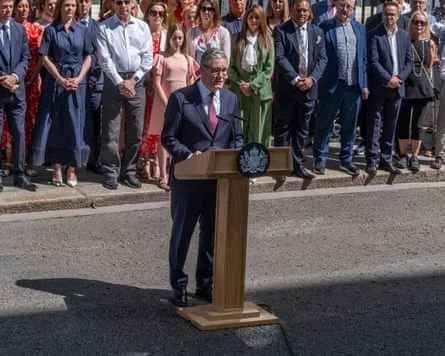
Prime Minister Andy Burnham took office Monday with a pledge to "bring back hope" to a fractured United Kingdom, immediately signaling a shift in the nation’s economic and social trajectory by appointing John Healey as Chancellor of the Exchequer. Addressing the public from a sun-drenched Downing Street, Burnham positioned his administration as a "circuit breaker" intended to end a decade of political volatility and address systemic inequalities he traced back to the 1980s. The transition follows the dramatic departure of Keir Starmer, who was ousted by Labour lawmakers after a period of intense internal party pressure.
Burnham’s arrival at Number 10 marks the sixth prime minister to lead Britain in just ten years, a statistic the new leader acknowledged as a source of public cynicism. Standing before the famous black door without notes, he told the country that the government must "do better" to deliver tangible changes to daily life. His speech emphasized a "new national sense of unity" and a commitment to moving power away from London and into local communities, a theme that defined his previous tenure as the Mayor of Greater Manchester.
The appointment of Healey, a 66-year-old veteran politician and former Treasury minister under Gordon Brown, served as the centerpiece of Burnham’s first day in power. Healey, previously the shadow defense secretary, was viewed as a surprise choice but is widely regarded by Westminster insiders as a "safe pair of hands" capable of navigating complex financial markets. His selection came after intense speculation that other senior figures, such as Ed Miliband or Shabana Mahmood, might take the role.

Andy Burnham Vows to ‘Bring Back Hope’ Through Economic Reform
At the heart of the new government’s agenda is a promise to repair what Burnham described as long-term damage caused to British communities during the Thatcher era. He argued that the centralization of political power and the privatization of economic assets in the 1980s left large swaths of the country deindustrialized and struggling to recover. By framing his premiership as a departure from these decades-old policies, Burnham signaled a move toward a more interventionist and collaborative economic model.
To address the immediate concerns of the electorate, the Prime Minister announced that a "breathing space" package would be unveiled on Tuesday. This fully funded initiative is expected to include significant cuts to energy bills and bus fares, providing direct relief to households struggling with the cost-of-living crisis. Burnham later told reporters that while he intends to remain "very prudent" with the national economy, he is prepared to explore "any flexibility" within existing fiscal rules to facilitate billions in infrastructure investment.
However, the Prime Minister’s comments regarding increased borrowing for investment initially unsettled financial markets. UK 10-year gilt prices saw a decline following his remarks, reflecting investor anxiety over the potential for higher debt levels. Despite the initial market jitters, the appointment of the fiscally conservative Healey appeared to provide some level of reassurance to the City of London by the time the markets closed for the day.
Reshaping the Cabinet: Key Appointments and Strategic Shifts
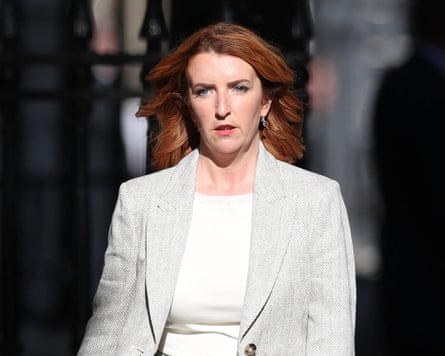
As Andy Burnham unveils his cabinet, the structure of the new government reflects a balance between experienced stalwarts and close personal allies. Louise Haigh, who served as Burnham’s right-hand woman during his leadership transition, has been named First Secretary of State and Chancellor of the Duchy of Lancaster. She will oversee a reinforced Cabinet Office, described by Number 10 as the "political engine room" tasked with driving the Prime Minister’s ambitious domestic agenda.
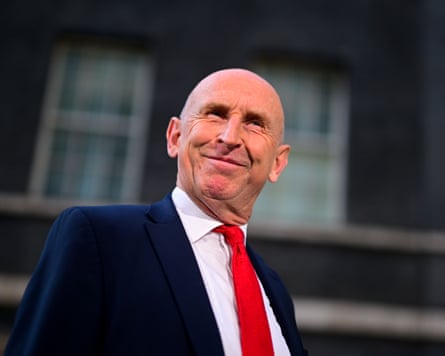
In a move to prioritize social reform, Yvette Cooper has been moved from the Foreign Office to the Department of Health. Her primary mandate will be the transformation of the UK’s social care system, a sector Burnham has long argued is fundamentally broken. Pat McFadden will remain at the Department for Work and Pensions, providing continuity in a key spending department, while Shabana Mahmood retains her position at the Home Office to manage domestic security and legal affairs.
The cabinet also sees the return of Angela Rayner as Housing Secretary. Rayner had previously resigned from the deputy prime minister role following a public dispute over stamp duty, but her reappointment underscores Burnham’s desire for a cabinet that represents the party’s traditional heartlands. Ed Miliband, a former party leader, takes over as Foreign Secretary, tasked with navigating Britain’s complex post-Brexit relationships and ongoing international conflicts.
International Relations and the Manchester G20 Invitation
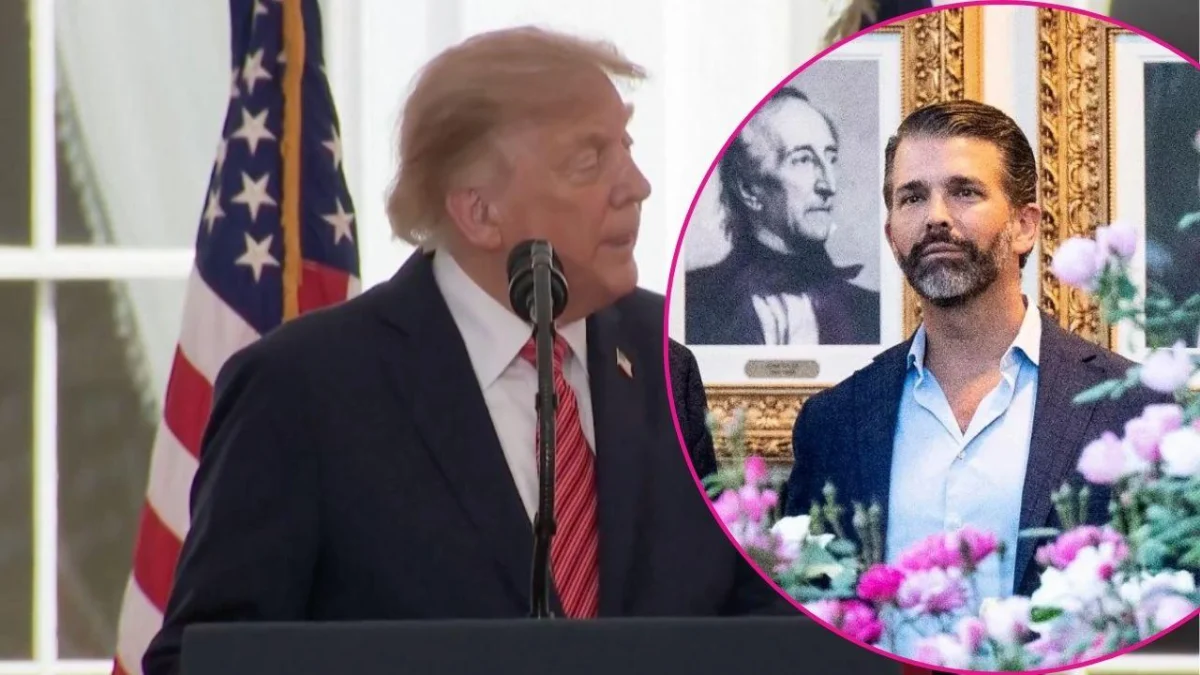
The new Prime Minister wasted no time in establishing contact with world leaders, holding a high-profile phone call with U.S. President Donald Trump. The conversation marked a significant diplomatic pivot, given Trump’s previous dismissive comments regarding Burnham’s role as a regional mayor. During the call, Burnham invited Trump to Manchester for next year’s G20 summit, a move aimed at showcasing the UK’s regional cities on the global stage.
Trump later characterized the discussion as a "very good conversation" on social media, noting that the two leaders discussed trade, the US-UK military alliance, and regional stability in the Middle East. The President indicated that he and Burnham plan to meet in the "not too distant future," suggesting a pragmatic start to the relationship between the two administrations. Burnham also reached out to Ukrainian President Volodymyr Zelenskyy and European Union chief Ursula von der Leyen to reaffirm Britain’s international commitments.
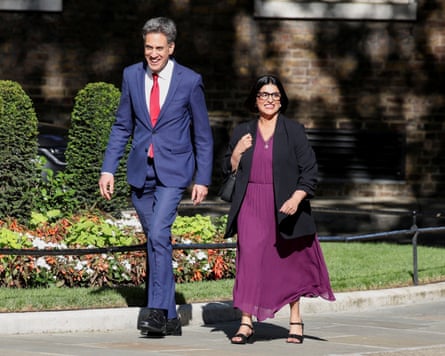
The diplomatic outreach is seen as a crucial test for Burnham, who has spent the last several years focused on domestic and regional issues. By securing early dialogue with both the U.S. and the EU, he is attempting to project a sense of stability and continuity in British foreign policy despite the leadership change in London.
Addressing the Crisis of Rough Sleeping and Social Inequality
In one of the most specific pledges of his first day, Burnham announced that his first formal instruction in power would be to end rough sleeping across the country. The Prime Minister made the announcement following a visit to homeless individuals in central London, framing the issue as a moral imperative for a modern government. While he made a similar pledge upon becoming the Mayor of Greater Manchester, critics have pointed out that street homelessness in that region saw increases during certain periods of his tenure.
Beyond housing, Burnham suggested that future budgets could include income tax cuts for lower-income earners. One proposed mechanism is the raising of the tax-free personal allowance, which has remained frozen for five years, effectively increasing the tax burden on the working class through "fiscal drag." However, the Prime Minister notably refused to rule out the reinstatement of the 50p top rate of tax for the highest earners to fund these measures, a move that would likely draw sharp criticism from the business community.
The focus on "postcode-level" empowerment remains a central pillar of the Burnham platform. He told the crowd in Downing Street that the government would "take power out of here and carry it into every postcode in the land." This commitment to radical devolution is intended to allow local leaders to solve problems more effectively than a centralized bureaucracy in Whitehall.
The Exit of Keir Starmer and the Road Ahead
The transition of power was marked by a final speech from Keir Starmer, who told the assembled crowd that his work of "turning round the Labour party" was complete. Starmer, who was the fifth prime minister to leave office in a decade, departed with a warning about the volatile nature of modern geopolitics, stating that "enemies will stop at nothing to divide us." He left handwritten notes for the Downing Street staff, signaling a graceful exit after a turbulent final few weeks in office.
The brutal nature of Starmer’s removal by his own MPs highlights the internal pressures Burnham will face as he attempts to maintain party unity. While the new Prime Minister has been given a "second hearing" with the public, the narrow margins of the UK’s fiscal reality mean his "circuit breaker" policies will be under immediate and intense scrutiny.
As the new administration begins its first week, the focus remains on the implementation of the cost-of-living package and the formalization of the new economic model. With John Healey at the Treasury and a cabinet composed of both reformers and traditionalists, Burnham is betting that a blend of fiscal prudence and social ambition can restore public faith in the British political system. The success of this "hope-based" premiership will ultimately depend on whether these high-level appointments and policy shifts can produce measurable improvements in the lives of the British people before the next general election.