Australia and Canada are poised to collaboratively lead the charge in establishing ethical and equitable frameworks for the burgeoning artificial intelligence era, particularly within the creative industries, according to leading music rights organizations APRA AMCOS and SOCAN. The two prominent collective management organizations have issued a joint statement emphasizing their commitment to working with their respective governments to ensure that the development of AI respects and benefits creators, rather than solely empowering large technology platforms.
Middle Powers Forge Alliance on AI Governance
The pronouncements from APRA AMCOS, representing songwriters, composers, and music publishers in Australia and Aotearoa New Zealand, and SOCAN, serving a similar constituency in Canada, echo recent high-level discussions between Australian Prime Minister Anthony Albanese and Canadian Minister of Innovation, Science and Economic Development François-Philippe Champagne. Their joint statement, released concurrently with Champagne’s visit to Australia, highlights a shared vision for these "middle-power nations" to proactively shape global technological norms.
This strategic alignment underscores a growing recognition among nations not aligned with the major global superpowers that they possess a unique opportunity to influence the trajectory of critical emerging technologies. The leaders of both countries have expressed a mutual desire to foster deeper cooperation across various sectors, from clean energy and defense to space exploration and critical minerals. This shared ambition extends to the digital realm, where the rules governing artificial intelligence are still very much in flux.
Creative Economy at the Forefront of AI Discussions
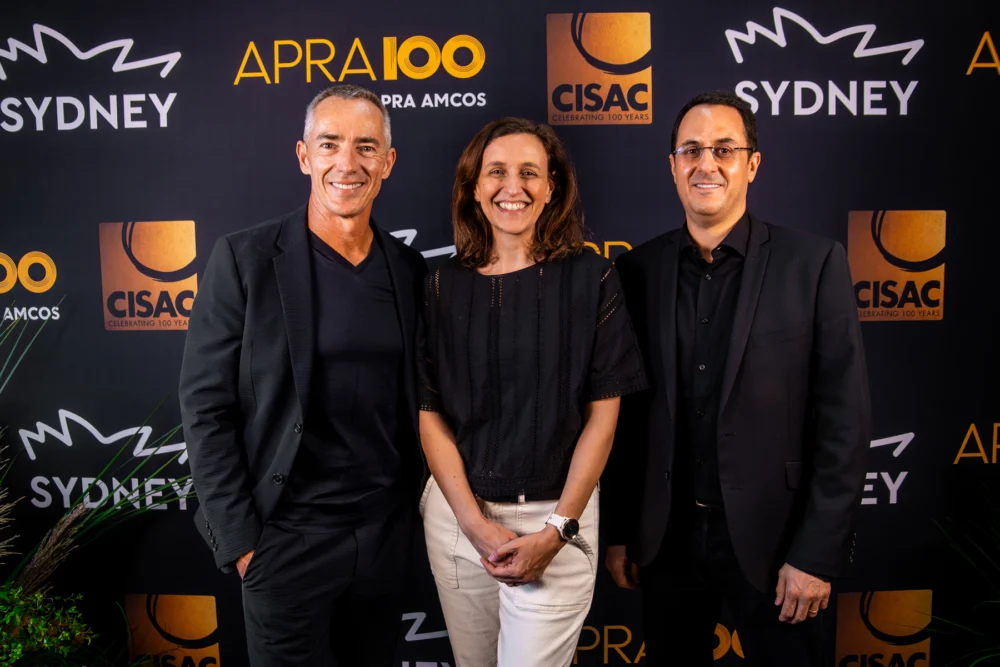
The leaders of APRA AMCOS and SOCAN, Dean Ormston and Jennifer Brown respectively, articulated a powerful message: the creative economy must be an integral part of this foundational work on AI governance, not an afterthought. Their statement, released following a CISAC board of directors meeting hosted by APRA AMCOS in Sydney, where Brown was in attendance, emphasized that cultural wealth should be treated as a sovereign asset.
"We believe this moment presents a unique opportunity to add another pillar: a framework for AI development that treats cultural wealth as a sovereign asset alongside those strengths, that brings creators into genuine partnership with technology, and that the rest of the world can look to as a model," the joint statement read. This perspective positions cultural output as a vital component of national identity and economic prosperity, deserving of the same strategic consideration as critical resources.
Addressing the AI Copyright Conundrum
A central concern for both organizations is the potential for AI to be trained on vast amounts of copyrighted material without proper consent or compensation for the original creators. Australia has already taken a significant step in this direction by ruling out a copyright exception for AI training, opting instead to explore a practical licensing framework. This proactive stance is seen as a crucial model for other nations grappling with similar issues.
Canada is reportedly engaged in similar deliberations, signaling a parallel commitment to protecting the rights of artists and creators in the face of rapid technological advancement. The organizations argue that the notion of an inevitable trade-off between innovation and creator protection is a false dichotomy, often promoted by those who wish to avoid acknowledging the essential role of human creativity in AI development.
Building a Partnership Between Creators and Technology
APRA AMCOS and SOCAN advocate for a model of genuine partnership between the technology sector and the individuals who generate the content that fuels AI systems. This partnership, they contend, must be built on the principles of consent before use, transparency regarding the data employed, and fair remuneration that flows back to creators and their communities. The ultimate goal is AI development that augments, rather than diminishes, the quality and diversity of human creativity.

With a combined century of experience navigating technological shifts, from the advent of radio to the rise of streaming, the organizations possess the established infrastructure and expertise to contribute to the development of effective AI licensing frameworks. They believe the collaborative environment fostered between the Australian and Canadian governments provides fertile ground for building these necessary structures.
Protecting Indigenous Cultural Intellectual Property
A particularly salient point of shared concern for Australia and Canada is the protection of Indigenous Cultural Intellectual Property. Both nations are home to Indigenous communities whose living cultural knowledge, encompassing songs, stories, languages, and ceremonies, is increasingly vulnerable to unauthorized harvesting by AI systems. The rights organizations argue that addressing this issue is a critical test of whether the affirmed values of respecting First Nations cultures and peoples translate into practical AI governance.
This focus on Indigenous IP highlights the complex ethical landscape of AI development, extending beyond commercial music rights to encompass the preservation of invaluable cultural heritage. The failure to adequately protect these forms of intellectual property could undermine broader efforts to foster trust and equity in the AI ecosystem.
The Role of Middle Powers in Global AI Standards
The joint statement from Ormston and Brown underscores the pivotal role that middle-power nations can play in setting global standards for AI. By taking a principled stand on issues of creator rights and cultural preservation, Australia and Canada can offer a compelling alternative to models dominated by a few large technology corporations. This approach aims to ensure that the benefits of AI are distributed more broadly, fostering a more inclusive and sustainable digital future.
"If middle powers are to shape the rules of the AI era rather than simply inherit them, culture is not a footnote to that mission. It is part of the foundation. We look forward to working with both governments to build it," the statement concludes. This sentiment signals a commitment to ongoing collaboration and advocacy, positioning these two nations as key architects of the rules that will govern artificial intelligence for years to come.
The Stakes for Global Creative Economies
The implications of the AI era for global creative economies are profound. Without robust frameworks, the proliferation of AI-generated content could devalue human-created works, disrupt existing revenue streams for artists, and concentrate wealth and power in the hands of a few technology giants. The collaborative efforts between APRA AMCOS, SOCAN, and their respective governments aim to preempt these negative outcomes.
By championing a model that prioritizes consent, transparency, and fair compensation, these organizations are not only seeking to protect their members but also to establish a precedent for responsible AI development worldwide. The success of their initiatives could influence how other nations approach AI regulation, ultimately shaping the future landscape of creativity and cultural production on a global scale.
Moving Forward: Collaboration and Policy Development
The coming months and years will be critical as APRA AMCOS and SOCAN work with government stakeholders to translate their shared vision into concrete policy and legislative action. The focus will likely remain on developing practical licensing mechanisms, establishing clear guidelines for AI training data, and ensuring accountability for technology companies that utilize creative content.
The partnership between Australia and Canada, bolstered by the shared understanding of the challenges and opportunities presented by AI, offers a promising pathway for the creative industries to thrive in this transformative technological epoch. Their commitment to placing culture at the heart of AI governance signals a dedication to a future where innovation and artistic integrity are not mutually exclusive but mutually reinforcing.