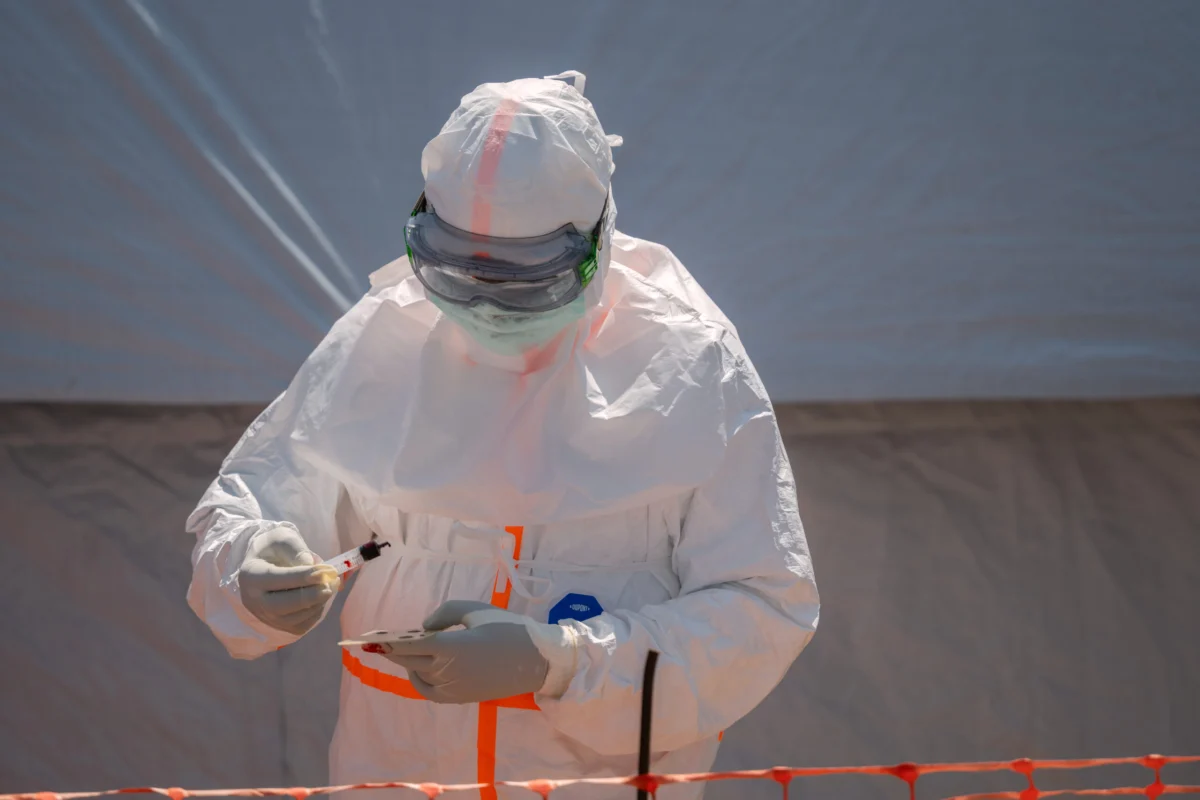
The Democratic Republic of Congo is grappling with a devastating Ebola outbreak that has claimed more than 1,700 lives, while the World Health Organization (WHO) is accelerating the evaluation of experimental treatments, preventive medicines, and vaccines at an unprecedented pace. This rapidly expanding epidemic, caused by the rare Bundibugyo strain of the Ebola virus, marks the second-largest and fastest-growing outbreak in recorded history, posing a significant challenge to global public health efforts.
Escalating Crisis in Eastern Congo
The grim milestone of 1,707 confirmed deaths, out of 3,802 recorded cases since the outbreak was declared on May 15, underscores the severity of the situation. Government figures indicate that over 17,000 individuals who had close contact with confirmed cases are under active monitoring, with health officials achieving an impressive daily follow-up rate of approximately 80 percent, according to WHO data. This intensive contact tracing is a critical component of containment efforts, aiming to break chains of transmission.
The epicentre of this alarming outbreak is the eastern province of Ituri, which has reported nearly 90 percent of all confirmed cases. However, the virus has demonstrated its reach by spreading to five other provinces, including the significant urban center of Kisangani. This geographical spread complicates containment strategies and amplifies the risk of further dissemination.
Unprecedented Speed in Treatment Research
In stark contrast to previous Ebola outbreaks, where the development and deployment of effective countermeasures were a lengthy process, the WHO has managed to initiate clinical trials for experimental treatments and vaccines with remarkable speed. Vasee Moorthy, acting head of the WHO’s R&D Blueprint programme, highlighted that years of proactive planning and preparation have enabled researchers to commence testing much earlier than in past epidemics.
"If you compare this outbreak to previous Ebola outbreaks, we have been able to start trials more quickly," Moorthy stated during a press briefing in Geneva. He further elaborated that the preliminary data from preclinical studies have been "promising," offering a glimmer of hope amidst the escalating crisis. However, Moorthy cautioned that the ultimate efficacy of these experimental medicines and vaccines can only be definitively determined through rigorous clinical trials.
WHO Leadership Engages on the Ground
The gravity of the situation has prompted high-level engagement from global health leaders. WHO Director-General Tedros Adhanom Ghebreyesus was scheduled to arrive in Kinshasa, the Congolese capital, before proceeding to Bunia, a city situated near the heart of the outbreak. His visit underscores the international community’s commitment to supporting the Democratic Republic of Congo in its fight against the deadly virus.
Jean Kaseya, Director-General of the Africa Centres for Disease Control and Prevention, also made his second visit to the region, arriving in Bunia on the same day as Dr. Ghebreyesus. His presence signifies a coordinated regional effort to bolster the response. Despite these high-level engagements, uncertainty remains regarding the precise timing of the outbreak’s peak, a critical factor in strategic planning and resource allocation.
The Bundibugyo Strain: A New Challenge
A significant factor distinguishing this outbreak is the specific strain of the Ebola virus involved: the Bundibugyo variant. Unlike some other strains, there are currently no approved vaccines or specific treatments readily available for the Bundibugyo variant. This absence of pre-existing medical countermeasures places a greater emphasis on the rapid development and deployment of new therapeutic and preventative tools, making the accelerated trial process even more crucial.
The Bundibugyo strain first emerged in 2007 in Uganda, causing a significant epidemic. While it has been encountered since, the current outbreak in the Democratic Republic of Congo presents a unique set of challenges due to its scale and rapid progression. Understanding the specific characteristics and transmissibility of this strain is paramount for effective control.
Obstacles to Containment: A Multifaceted Struggle
The efforts to contain the DR Congo Ebola outbreak are being hampered by a complex interplay of factors. The WHO has reported that more than 100 healthcare workers have contracted the virus since the epidemic began, highlighting the extreme risks faced by front-line responders. This infection rate among medical personnel is a serious concern, not only for the individuals affected but also for the overall capacity of the healthcare system.
Several systemic and environmental challenges are impeding the response. Delays in contact tracing, a cornerstone of epidemic control, have allowed the virus to spread undetected. Furthermore, persistent violence perpetrated by armed groups in affected regions creates an environment of insecurity, making it difficult for health teams to access communities and deliver essential services. Attacks on health facilities and a general atmosphere of mistrust towards health authorities among some segments of the population further exacerbate the situation.
Funding Shortfalls and Worker Unrest
Adding to the mounting pressures, the Ebola response faces a significant funding shortfall. A series of cuts to international aid have depleted the financial resources necessary for a robust and sustained public health intervention. This lack of adequate funding directly impacts the ability to procure essential supplies, deploy personnel, and implement comprehensive outreach programs.
The strain on the healthcare system has also led to growing unrest among front-line workers. Reports indicate that healthcare professionals in hard-hit areas like Mongbwalu have threatened to escalate industrial action, including strikes, if their overdue wages are not paid promptly. Similar actions have been witnessed in Bunia, where staff have previously protested unpaid salaries and what they describe as hazardous working conditions. This situation highlights the critical need to support and protect the healthcare workforce, who are at the forefront of this life-saving battle.
Historical Context and Global Comparisons
The current outbreak in the Democratic Republic of Congo is spreading with an alarming rapidity that surpasses previous Ebola epidemics. To provide a stark comparison, the devastating 2014-2016 West Africa outbreak, which infected approximately 28,000 people and resulted in over 11,000 deaths, took roughly eight months for the death toll to reach 1,000. The speed at which the current epidemic is progressing underscores the evolving nature of infectious disease threats and the need for agile and responsive public health strategies.
Regional Impact and International Cooperation
The proximity of the Democratic Republic of Congo to neighboring countries necessitates a robust regional response. Uganda, a neighbor, declared itself Ebola-free in mid-June after its last patient was discharged from hospital. This declaration, while a positive development, also serves as a reminder of the constant threat of cross-border transmission and the importance of vigilant surveillance and preparedness measures in all affected and at-risk nations.
International cooperation is vital in tackling such a widespread and complex epidemic. The WHO’s role in coordinating global efforts, facilitating research, and providing technical and financial assistance is indispensable. The involvement of organizations like the Africa Centres for Disease Control and Prevention further strengthens the regional capacity to respond effectively.
The Road Ahead: Balancing Urgency and Caution
As the DR Congo Ebola outbreak continues its relentless march, the focus remains on intensifying containment efforts, accelerating the development of effective treatments, and ensuring the safety and well-being of healthcare workers. The coming weeks and months will be critical in determining the trajectory of this epidemic. The rapid advancement of clinical trials offers a significant ray of hope, but the challenges posed by insecurity, mistrust, and resource limitations are substantial. The global community’s continued commitment and coordinated action will be paramount in overcoming this profound public health crisis.