Australia is currently facing a dual-front national crisis as Energy Minister Chris Bowen confirmed that six critical fuel shipments have been cancelled since the outbreak of the Iran war, a development that coincides with Tropical Cyclone Narelle making a destructive landfall on the Northern Territory coast as a Category 3 system. The federal government is moving to reassure a concerned public that while the international oil market is experiencing what experts call the most significant supply disruption in history, the nation’s fuel reserves remain stable for the immediate future. Simultaneously, emergency crews in the Top End are bracing for life-threatening flash flooding and wind damage as the cyclone moves inland, further straining the country’s disaster response infrastructure.
Australia Fuel Shipments Cancelled and the Global Energy Crisis
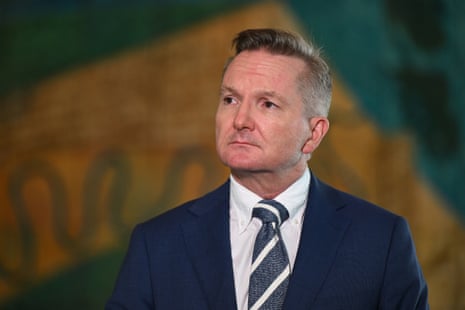
Energy Minister Chris Bowen addressed the nation on Sunday, providing a sobering update on the impact of the Middle East conflict on domestic energy security. Bowen revealed that out of an average of 81 fuel shipments destined for Australian ports each month, six have been cancelled due to the escalating Iran war. While the minister characterized the situation as a "challenging international environment," he noted that importers and domestic refiners have already begun the process of securing alternative sources to mitigate the shortfall.
The International Energy Agency (IEA) has labeled the current volatility the "largest supply disruption in the history of the global oil market." This disruption is primarily driven by the conflict’s impact on crude oil production and shipping lanes, which has forced major exporters in Asia to reconsider their delivery schedules. Australia, which relies heavily on refined fuel imports from nations such as Malaysia and South Korea, is particularly vulnerable to shifts in regional export priorities.
Despite the cancellations, Bowen reported that Australia’s strategic fuel positions have seen a slight improvement in recent days. Current data indicates the nation holds 38 days of gasoline supply and 30 days of diesel and jet fuel. The minister emphasized that Australia’s two remaining domestic refineries are operating at maximum capacity, with 100% of their output dedicated to the domestic market rather than international exports.

Tropical Cyclone Narelle Landfall Impacts the Northern Territory
As the federal government manages the energy sector, the Bureau of Meteorology (BoM) confirmed that Tropical Cyclone Narelle crossed the Northern Territory coast at approximately 4:00 a.m. local time. At the point of landfall, Narelle was classified as a severe Category 3 system, packing destructive wind gusts of up to 165 kilometers per hour (approx. 102 mph). The storm has since been downgraded to a Category 2 system as it moves further inland, but meteorologists warn that the danger is far from over.
The "Top End" of Australia is currently under a severe weather warning, with intense rainfall expected to cause dangerous and life-threatening flash flooding. BoM senior meteorologist Jonathan How stated that 24-hour rainfall totals are expected to reach between 180 and 230 millimeters, with isolated pockets potentially seeing more than 300 millimeters. These conditions are particularly hazardous for regions north of Katherine and the Daly River district, where the ground is already saturated from previous seasonal rains.
Major flood warnings are currently in effect for several river systems, including the Katherine, Daly, Waterhouse, and Georgina rivers. At the Daly River police station, water levels recently peaked at 16.42 meters, surpassing the historic 1998 flood levels. Authorities expect these rivers to remain above major flood thresholds well into next week, complicating evacuation and supply efforts for remote communities.
The National Fuel Emergency Act and Potential Rationing
The convergence of a global energy crisis and a natural disaster has reignited discussions regarding the National Fuel Emergency Act of 1984. While Minister Bowen was quick to state that the government is not currently contemplating fuel rationing, he acknowledged that both federal and state governments possess the legal authority to invoke extraordinary measures if supplies reach critical lows.
The 1984 Act, which has never been formally invoked—even during the Gulf wars or the COVID-19 pandemic—provides the Commonwealth with the power to control the movement and sale of fuel. These powers are designed to prioritize essential services, such as defense, healthcare, and emergency response. Bowen noted that any decision to exercise these "remarkable powers" would only occur after extensive consultation with state leaders and based on clear evidence of a terminal shortage.
Public anxiety has already manifested in a "massive increase" in demand at the pump. In some regional areas, gas stations have reported a 100% spike in sales over a 48-hour period as motorists rush to fill their tanks. Bowen described this behavior as "understandable" but cautioned that the sudden surge in demand is putting immense pressure on regional supply chains, which often operate on thin margins and face longer transport times from major terminals in Geelong and Brisbane.
Geopolitical Pressures and Regional Export Priorities
The stability of Australia’s fuel supply is inextricably linked to the domestic policies of its primary trading partners. Earlier this week, reports emerged that Malaysia, Australia’s top source of crude oil, may prioritize its own domestic needs over international contracts. The Malaysian embassy reportedly indicated that their government would "prioritize our own needs" before fulfilling overseas demand.
This shift in the geopolitical landscape has forced Australian energy analysts to warn that the nation must prepare for a prolonged period of uncertainty. While the energy minister had previously downplayed the likelihood of export cuts from Asian partners, his tone on Sunday suggested a more cautious outlook. The vulnerability of the Australian supply chain is highlighted by the fact that the six cancelled shipments were primarily sourced from Asian refineries that are now struggling to secure their own crude oil inputs due to the Iran war.
Political Aftermath: The South Australian Election and Housing
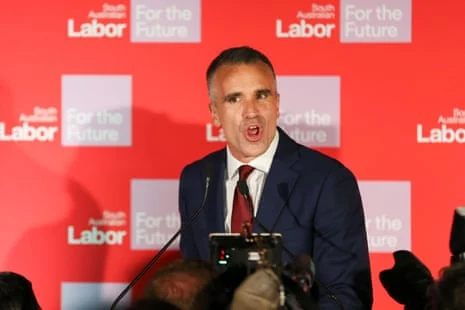
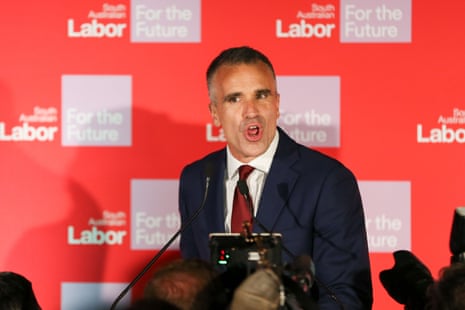
Amidst the national emergencies, the political landscape in southern Australia is also shifting. Re-elected South Australian Premier Peter Malinauskas spoke on Sunday about the need for mainstream political parties to deliver tangible results to counter the rise of protest parties like One Nation. Malinauskas, coming off a decisive victory, identified housing as the most critical policy area for the nation’s long-term stability.
The Premier argued that the "social compact" of home ownership in Australia is currently at risk, which fuels the fire of political populism. He called on the federal government to ensure that economic growth delivers a "dividend of prosperity" for more people, rather than leaving them behind. This domestic political pressure adds another layer of complexity for the Albanese government as it navigates the high costs of the fuel crisis and the multi-million dollar recovery efforts required for the Northern Territory.
Search and Rescue Success in Tasmania
In a rare piece of positive news on a day dominated by crises, Tasmanian Police confirmed that an 81-year-old Japanese tourist reported missing in Cradle Mountain National Park has been found alive. The man had become disoriented after walking away from his accommodation in the darkness on Saturday night.
A large-scale search operation was launched at midnight, involving emergency services and volunteers. The man was located by members of the public around 7:45 a.m. on Sunday with non-life-threatening injuries. He is currently being treated by paramedics. The successful rescue served as a brief moment of relief for emergency responders who are currently stretched thin across multiple states.
Outlook for National Resilience
As Tropical Cyclone Narelle continues its westward path across the Top End, the focus remains on the immediate safety of residents in the path of the storm. The Bureau of Meteorology will continue to monitor the system as it weakens, though the risk of renewed river rises remains high through the middle of the week.
On the energy front, the federal government’s primary objective is to maintain public confidence and prevent panic buying, which could create artificial shortages even if wholesale supplies remain adequate. The coming weeks will be a significant test of Australia’s "prudent contingency planning" as the nation waits to see if the Iran war will lead to further shipment cancellations or if regional partners will maintain their export commitments. For now, the combination of high-tech meteorological tracking and strategic energy reserves is the only thing standing between the Australian public and a period of significant domestic hardship.