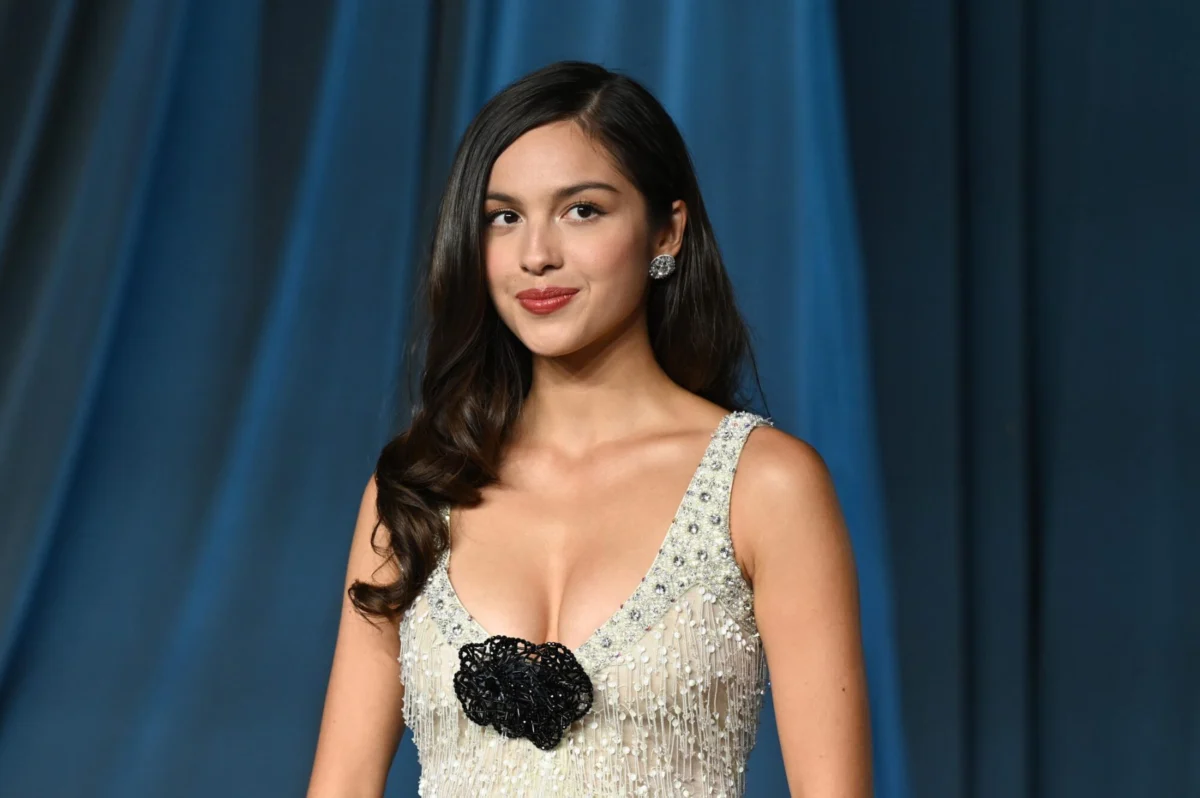
The Department of Homeland Security (DHS) has issued a pointed response to pop superstar Olivia Rodrigo, urging her to refrain from "belittling" the sacrifices of Immigration and Customs Enforcement (ICE) officers after she publicly criticized the agency’s use of her music and its operational practices. The exchange highlights a growing tension between entertainment figures and federal law enforcement agencies regarding immigration policies and their public perception.
Pop Star’s Criticism Sparks Official Rebuke
The public spat ignited following an interview with British Vogue, where Rodrigo described the agency’s actions as "dystopian" and "disturbing." Her comments came months after a video promoting ICE, which featured her hit song "All-American Bitch," surfaced without her consent. The DHS, in a statement provided to Billboard, asserted that America is "grateful all the time for our federal law enforcement officers who keep us safe."
The department’s spokesperson directly addressed Rodrigo’s remarks, stating, "We suggest Ms. Rodrigo thank them for their service, not belittle their sacrifice." The DHS further clarified its stance on family separations, asserting that ICE does not separate families and that parents are given the choice to take their children with them or place them with a designated guardian. The agency emphasized that this approach is consistent with immigration enforcement practices of previous administrations.
Roots of the Controversy: Music and Misuse
The core of the initial conflict stemmed from the unauthorized use of Rodrigo’s song "All-American Bitch" in a November video that appeared to glorify ICE operations, including footage of officers apprehending and detaining individuals. At the time of the video’s release, Rodrigo vociferously condemned the agency’s actions, stating on social media, "don’t ever use my songs to promote your racist, hateful propaganda."
This latest interview in British Vogue saw Rodrigo reiterate her strong disapproval of ICE, calling the unauthorized use of her music "awful" and "dystopian." She described the agency’s practices of "ripping apart communities and terrorizing people" as deeply disturbing, painting a grim picture of the current immigration landscape.
Olivia Rodrigo’s Stance on Immigration Enforcement
Rodrigo’s engagement with the issue of immigration enforcement predates the controversy over her music. The Grammy-winning artist has a history of speaking out against ICE operations, particularly those impacting communities in her home state of California. In the past year, amid ICE raids in Los Angeles, she expressed her profound upset via Instagram Stories regarding "violent deportations of my neighbors." She criticized the treatment of community members as lacking "respect, empathy, and due process," labeling such actions as "awful."
Her activism aligns with a broader trend of celebrities using their platforms to voice concerns about immigration policies. Numerous prominent figures have publicly criticized the actions of ICE, particularly under the Trump administration, and in the wake of tragic incidents involving immigration enforcement.
Broader Context: Celebrity Activism and ICE Scrutiny
The DHS has a history of responding to public figures who criticize its operations. In January, the department also issued a statement to Billboard addressing criticism from singer Billie Eilish. Eilish had reshared posts that labeled ICE a "terrorist organization." The DHS characterized her remarks as "garbage rhetoric," underscoring the agency’s sensitivity to public narratives surrounding its work.

The scrutiny of ICE has intensified over the past several years, fueled by high-profile policy debates and reports of controversial enforcement actions. Incidents such as the deaths of Minnesotan civilians Renee Good and Alex Pretti, who were killed by immigration enforcement officers, have further amplified public concern and drawn condemnation from various quarters.
The Role of Public Figures in Policy Discourse
Olivia Rodrigo’s substantial fanbase, primarily composed of young people, gives her criticisms significant reach and influence. Her vocal opposition to ICE policies injects a youth-oriented perspective into a complex and often contentious political debate. This engagement highlights the increasing role of artists and entertainers in shaping public opinion on sensitive social and political issues.
The DHS’s response suggests a strategy to counter what it perceives as mischaracterizations of its officers’ work and the agency’s mission. By emphasizing the "sacrifice" of its officers and framing its operations as consistent with established practices, the department aims to defend its personnel and policies against public criticism.
Navigating the Intersection of Art and Policy
The incident involving Olivia Rodrigo and the DHS underscores the delicate balance between artistic expression and the operations of government agencies. While artists often draw inspiration from societal issues and use their work to comment on them, the unauthorized use of their music by government entities, particularly for purposes that contradict their stated values, raises legal and ethical questions.
Rodrigo’s reaction and the DHS’s subsequent rebuttal illustrate the broader societal conversation about immigration, law enforcement, and the role of public figures in advocating for policy change. The exchange also points to the challenges faced by federal agencies in managing their public image amidst increasing scrutiny and vocal opposition from influential voices in popular culture.
Implications for Law Enforcement and Public Perception
The DHS’s direct engagement with Rodrigo signals a recognition of the impact celebrity opinions can have on public perception. The department’s emphasis on the sacrifices of ICE officers aims to humanize their roles and counter narratives that portray them solely as agents of oppression. This approach seeks to foster greater public understanding and appreciation for the challenges and responsibilities inherent in immigration enforcement.
Conversely, Rodrigo’s continued criticism, amplified by her celebrity status, can mobilize public opinion and pressure policymakers. Her stance contributes to a growing movement among artists and activists calling for reform of immigration systems and practices they deem inhumane or unjust.
The Ongoing Debate and Future Considerations
As this situation unfolds, it remains a focal point in the ongoing dialogue surrounding immigration policy and the intersection of art and activism. The DHS’s public rebuttal suggests a commitment to defending its officers and practices, while Rodrigo’s vocal stance indicates a continued dedication to advocating for her perceived values.
The legal implications of unauthorized music use in government-produced content, coupled with the public relations battle, highlight the complexities of navigating these sensitive areas. The incident serves as a case study in how public figures can engage with controversial government actions and the potential repercussions they may face. The broader impact on public discourse surrounding immigration enforcement and the role of art in political commentary will likely continue to be debated.