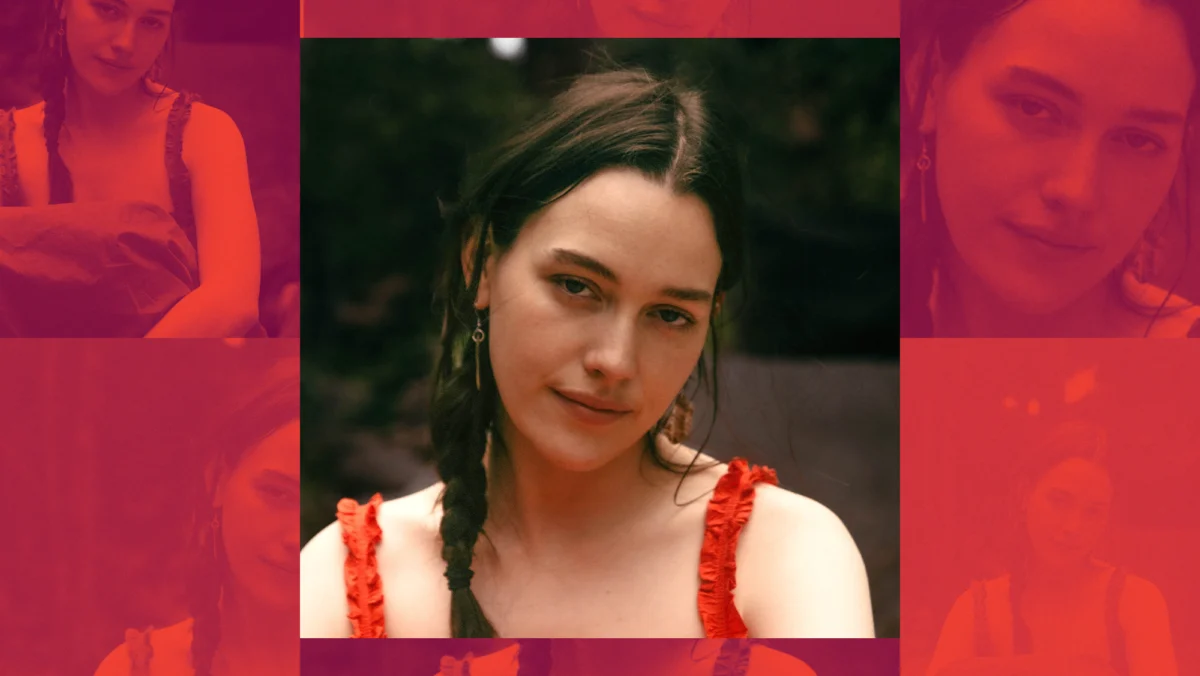
Victoria Pedretti, known for her intense performances in the horror genre, is once again captivating audiences with her role as Cherry in the new comedy horror film Forbidden Fruits. The actress emphasizes her selective approach to projects, prioritizing those that offer significant societal impact and spark meaningful conversations, a philosophy she brings to her complex character in the Meredith Alloway-directed feature.
Pedretti’s Ascent as a Modern Scream Queen
Over the past decade, Victoria Pedretti has solidified her reputation as a formidable presence in horror and psychological thrillers. Her breakout roles in Mike Flanagan’s acclaimed The Haunting of Hill House and The Haunting of Bly Manor established her as a modern "scream queen." This was further cemented by her compelling portrayal opposite Penn Badgley in the popular Netflix series You, where she showcased her versatility in darker narratives.
Her latest project, Forbidden Fruits, sees Pedretti venturing into a unique blend of comedy and horror. The film centers on Apple, played by Lili Reinhart, who leads a clandestine witch cult with her co-workers Cherry (Pedretti) and Fig (Alexandra Shipp) within the confines of a mall store. The sisterhood faces internal turmoil when new hire Pumpkin (Lola Tung) challenges their dynamics, forcing the group to confront their darker impulses or face violent repercussions. Pedretti describes the film as a "Trojan horse" for broader discussions on consumerism, grief, friendship, and the intricacies of abusive community structures.
Crafting Cherry: A Deep Dive into Underestimated Women

Pedretti’s attraction to Forbidden Fruits stemmed from its ability to be simultaneously entertaining and profoundly thought-provoking. She recounts her involvement dating back three to four years before production, allowing for a prolonged engagement with the script’s themes and character development. The actress found the screenplay’s blend of fun and serious, humanizing topics particularly resonant.
Her portrayal of Cherry defies initial expectations. The character initially appears ditsy and insecure, but gradually reveals a hidden depth. Pedretti delved into the archetype of underestimated women, exploring how external presentation can lead to misjudgments, often conflating seriousness with intelligence while overlooking the complexities of those perceived as "nice" or conventionally attractive. She drew parallels to iconic figures like Marilyn Monroe, observing how sexualization often accompanies a process of dehumanization, preventing women from being recognized for their full intellectual and emotional capacities. Pedretti articulated her fascination with Monroe’s performative self-presentation, viewing it as an exaggerated reflection of how individuals construct their identities for the world.
Intimacy, Performance, and Objectification in Forbidden Fruits
Cherry’s role in Forbidden Fruits includes several intimate scenes, a topic Pedretti discussed extensively with the film’s intimacy coordinator. She clarified that these scenes, while physical, were intentionally devoid of emotional intimacy, serving instead to expose deeper facets of Cherry’s character. Pedretti described Cherry’s approach to sex as "hugely performative" and "sport-like," devoid of genuine connection. This portrayal highlights Cherry’s attempts to fulfill her needs while reserving her true loyalty and emotional intimacy for Apple.
The actress noted the poignant aspect of Cherry’s interactions, where she effectively objectifies men who offer her gifts and genuine affection, without reciprocating their emotional investment. Pedretti expressed pride in the film’s nuanced handling of nudity, which is featured in moments of platonic comfort between female characters rather than exclusively within sexual contexts. This decision underscores the film’s intention to explore intimacy beyond its physical manifestations.
The Mall as a Character: Consumerism and Reinvention

The setting of Forbidden Fruits—a dying mall—plays a significant symbolic role. Pedretti reflected on her own childhood experiences at malls, describing them as spaces of freedom and social gathering, even without the intent to purchase. She acknowledged the mall’s dual identity as both a personal haven and a potent symbol of institutional capitalism. In the film, the mall serves as a metaphor for the pervasive consumerist nature of modern society.
While Pedretti questioned whether the film could revitalize traditional mall culture, she pondered its potential to inspire a "reinvention" of the mall concept, prompting viewers to consider new interpretations of these once-bustling commercial hubs. The conversation surrounding the mall’s symbolic weight is one of the many dialogues Pedretti hopes the film will cultivate.
A Gruesome End and Enduring Impact
One of the most talked-about moments in Forbidden Fruits is Cherry’s shockingly gruesome death. Pedretti recalled her initial reaction to reading the scene in the script, describing a mix of surprise and curiosity about its execution. Despite early discussions about potentially toning down the depiction, the final version emphasized the visceral gruesomeness, which Pedretti believes was crucial. Filming the stunt, which involved her character’s hand being devoured by an escalator, was described as "awesome" and "fun," despite its unsettling nature. She humorously admitted to avoiding research into real-life escalator accidents.
Pedretti looks forward to the diverse conversations the film will inspire among audiences. She reiterates Forbidden Fruits‘ role as a "Trojan horse" for critical discussions on consumerism, grief, friendship, and abusive community dynamics. The film’s ability to touch on numerous complex themes without overtly moralizing is a quality Pedretti particularly values.
Beyond the Screen: Pedretti’s Artistic Philosophy

Victoria Pedretti’s career choices are deeply rooted in a desire to make an impact rather than solely pursue mainstream success. Her initial foray into acting was driven by a love for escapism and storytelling, seeking to offer audiences the same immersive experience she cherished in film, television, and theater. This core intention remains vital, even as her career has blossomed on a larger scale.
Navigating the entertainment industry, Pedretti identifies one of her biggest challenges as resisting the feeling of obligation and forging her own path. She emphasizes the importance of not conforming to industry norms, prioritizing her personal life outside of work, and actively cultivating creative projects that are not solely for financial gain. This approach, she explains, is crucial for sustaining her passion and preventing her work from becoming merely a job. She aims to keep alive the initial intention of impacting people, whether on a small stage or a global platform, recognizing it as a delicate balancing act.
Currently in New Zealand, Pedretti expresses a keen interest in exploring new genres, specifically fantasy films where she could envision herself as a hobbit or an elf. She also harbors a long-standing affection for historical fiction and period pieces, always seeking the excitement of venturing into uncharted artistic territory.
When asked to define what makes "Victoria Pedretti," she reflected on her roots in Philadelphia and the influence of her parents, acknowledging the powerful connection to her origins. She also spoke to an inherent, evolving essence she possesses, coupled with a notable aversion to obligation—a trait that, as she humorously points out, has consistently surfaced throughout her conversations about her work and life.